Automating NFT Minting Workflows with AI Agents
Managing digital assets often feels like a constant race against the clock. If you operate in the Web3 space, you know the frustration of manual tasks. Whether you are handling creator drops, managing whitelist spots, or firing off post-min...
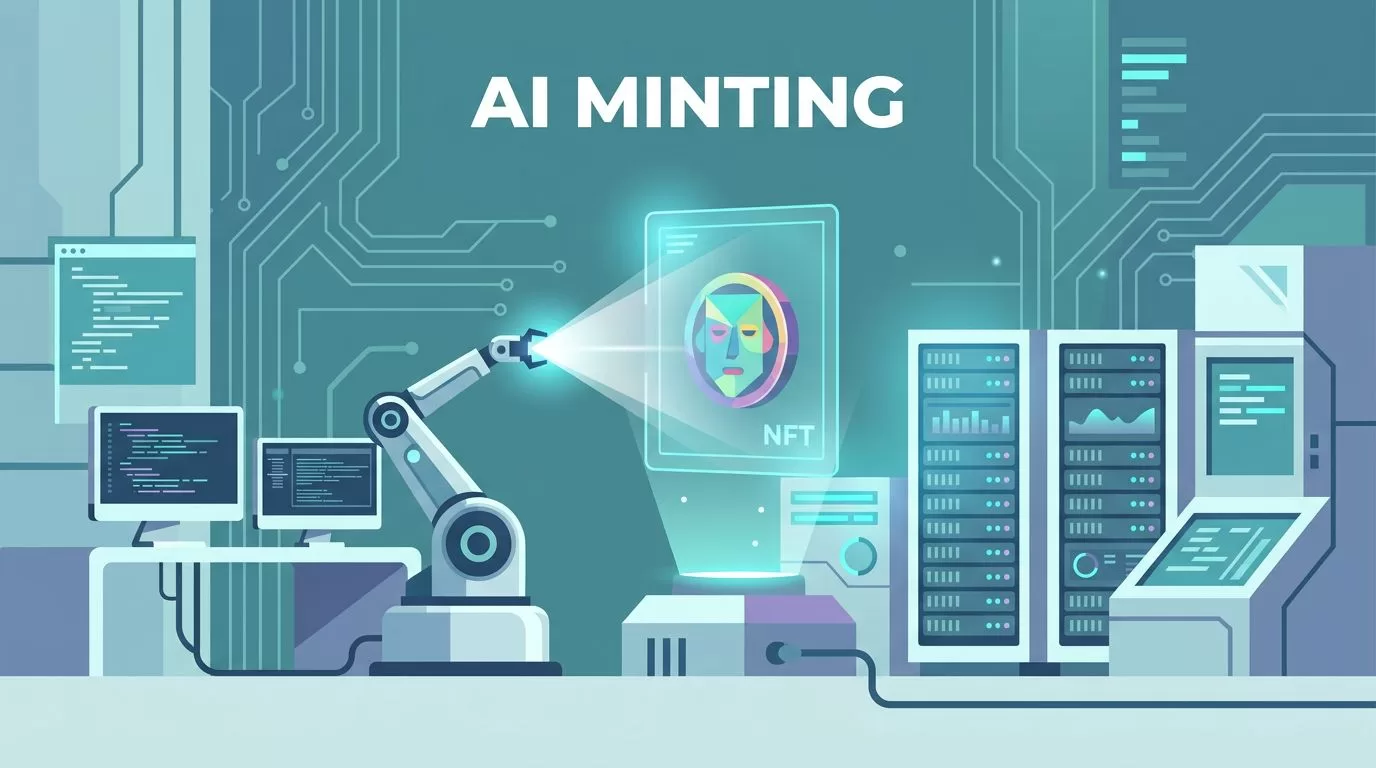
Managing digital assets often feels like a constant race against the clock. If you operate in the Web3 space, you know the frustration of manual tasks. Whether you are handling creator drops, managing whitelist spots, or firing off post-mint notifications, these repetitive actions eat away at your time. You don’t need to stay glued to your screen to keep these processes moving. By deploying an AI agent platform like Twin.so, you can shift these routine duties to an autonomous worker that operates 24/7.
Modern Web3 operations require a balance between speed and security. You want your collections to launch reliably while keeping your private keys and contract access points safe. Integrating an agent to handle the heavy lifting allows you to focus on strategy rather than constant execution. Let’s look at how you can build a system that handles your NFT minting needs without requiring your direct intervention.
Designing Your Automated Minting Architecture
Before you start building, you need to map out your workflow. An agent works best when it follows a clear set of instructions. Think of this as a digital assembly line. You have a trigger, such as a new customer signup or a verified payment, which kicks off the process. Your agent then interacts with the necessary tools, such as your CRM, an email provider, and finally, the blockchain itself.
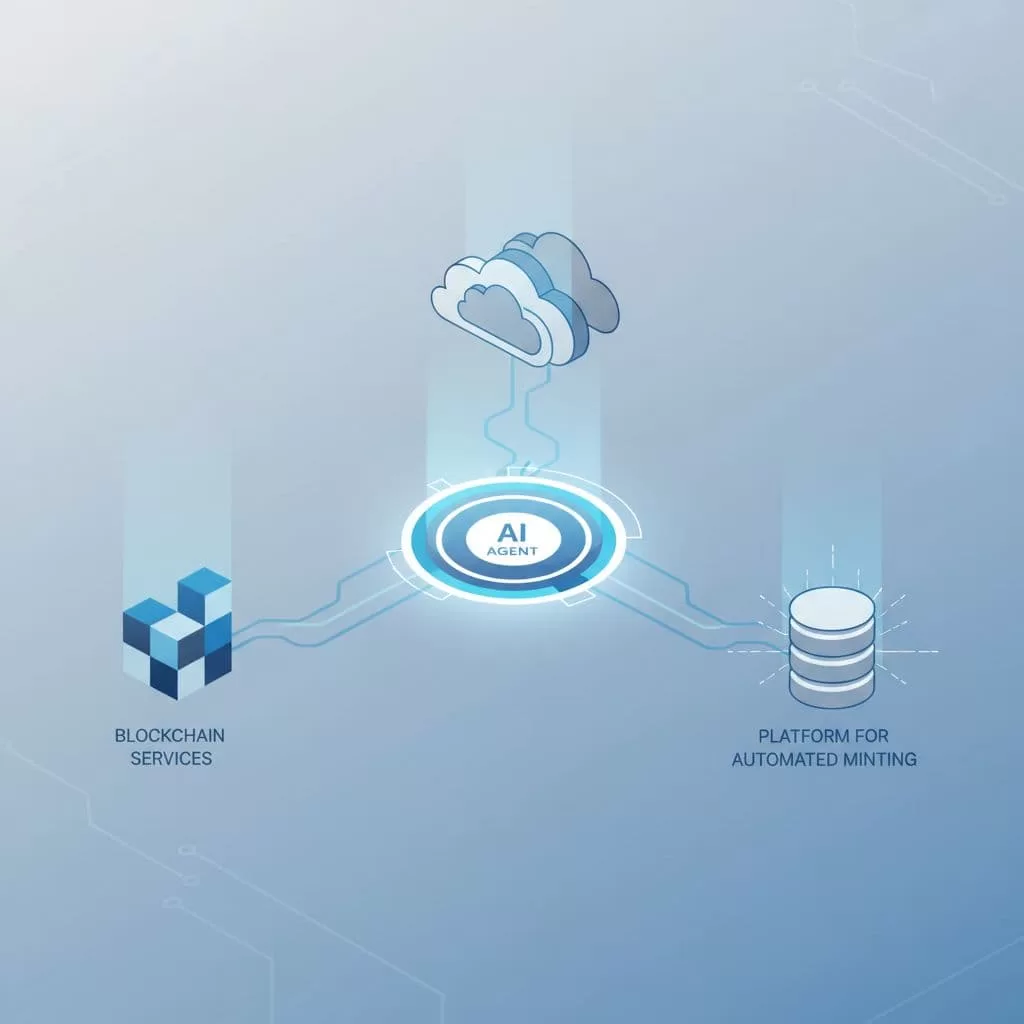
Successful automation relies on separating your public-facing triggers from your sensitive contract interactions. You shouldn’t expose your primary admin keys to a public-facing cloud platform. Instead, consider using a backend gateway like the thirdweb Engine to create an API layer. Your AI agent then calls this controlled API to trigger the minting transaction. This adds a layer of security between your automation platform and your actual smart contract.
Connecting Your Agent to Web3 Operations
Twin.so excels at controlling web interfaces and interacting with standard business tools. While it isn’t specifically a blockchain tool, it can act as the “hands” that manage the inputs required for your minting APIs. For example, if you run a community project, you can have the agent monitor a Google Sheet containing your whitelist. When a new row appears, the agent reads the address and triggers your minting service.
You might also consider no-code bridges if you want to expand your reach. Platforms that offer blockchain automation for Zapier provide specific triggers that can pass data to your agent. This creates a modular setup. The agent handles the business logic, like validating customer data or drafting confirmation emails, while the specialized blockchain middleware handles the actual gas-heavy transactions. This keeps each part of your stack efficient and easier to troubleshoot.
Ensuring Security and Testing Procedures
When you automate financial transactions or asset distribution, mistakes can get expensive. Never connect an agent to a mainnet contract without thorough testing. Start by deploying your collection on a testnet, such as Sepolia or Holesky. Configure your agent to point to your test contract address and run a full cycle of mints. Verify that the agent correctly reads your metadata and maps it to the right wallet address.
Security hygiene is the most important part of this process. Never store private keys in plain text within your automation tool settings. Use environment variables or secure vault services to manage your secrets. If your agent needs to sign transactions, ensure it uses a hot wallet with only the minimal funds necessary for gas fees. By practicing Web3 security and script automation, you significantly reduce your risk of platform errors or unauthorized access.
Handling Metadata and Post-Mint Tasks
The minting process doesn’t end when the transaction hits the block. Your users expect confirmation, and your database needs to stay in sync. Your AI agent can handle these post-mint responsibilities automatically. Once the contract returns a successful transaction hash, the agent can parse that data and trigger a sequence of actions.
This could involve updating your internal dashboard, triggering a welcome email via your marketing platform, or posting an update to your Discord community. You can even use similar logic for automating help desk tickets if your users have questions about their new assets. By keeping your data records live and your communication prompt, you build a professional experience for your community without manual effort.
Monitoring for Failure and Drift
Even the best-designed workflows face occasional hiccups. APIs fail, RPC nodes go down, and network congestion causes transaction delays. You need a built-in feedback loop to catch these issues early. Program your agent to send a notification if a specific step in the sequence fails. If a minting request returns an error code, you want an immediate alert rather than finding out hours later that a batch of assets failed to arrive.
Keep your logic simple to make troubleshooting easier. If a workflow fails, it’s usually because of a data mismatch or a gas limit issue. Sometimes, you might find that you need more complex meeting documentation tools to track these technical decisions and changes to your automation logic. Maintaining a clear log of your agent’s activity helps you understand exactly where a bottleneck occurs, allowing you to iterate on your process rather than starting from scratch.
Scaling Your Web3 Workflow
As your project grows, your manual workload will likely become a bottleneck. You don’t have to hire more staff to keep up with the volume. Instead, tune your existing automated workflows. An AI agent is easy to scale up because it doesn’t get tired or overwhelmed by high transaction volume. If your community doubles in size, your agent simply continues to pull from your trigger sources at the same speed.
Focus on optimizing your data inputs. If you rely on complex spreadsheets or manual lists, move toward structured databases that your agent can read reliably. Use clear naming conventions for your metadata and maintain a consistent structure for your wallet addresses. You can also look into website personalization software if you need to create custom landing pages for different segments of your community, linking those custom experiences directly into your automated minting triggers.
By moving your operational tasks into an automated loop, you transform your Web3 project from a collection of manual chores into a sustainable operation. The goal isn’t just to replace your own labor, but to build a system that maintains high standards for every user, every time. As you refine these automated workflows, you’ll find that you can deliver better experiences for your community while keeping your operational costs low. Keep your implementation modular, prioritize security, and let your automated agent handle the routine details of your NFT minting strategy.
