Build a No-Code Affiliate Program With Rewardful
An affiliate program can create a reliable SaaS acquisition channel. It can also create payout disputes, bad attribution, and weak-margin customers if you launch it without rules. A no-code affiliate program with Rewardful gives Stripe-base...


An affiliate program can create a reliable SaaS acquisition channel. It can also create payout disputes, bad attribution, and weak-margin customers if you launch it without rules.
A no-code affiliate program with Rewardful gives Stripe-based businesses a practical starting point. You connect billing, set commission terms, add the right tracking path, and recruit partners without building custom affiliate software.
Start with the commercial rules. Then configure the system around them.
KEY TAKEAWAYS
- Rewardful is built for subscription businesses that use Stripe, and it also supports Paddle. Review what Rewardful supports before you move your billing process.
- Set commission rules before inviting anyone. Decide whether partners earn a fixed amount or a percentage, whether rewards recur, and how long commissions remain eligible.
- Use affiliate links for normal attribution. Add coupon tracking only when it fits your sales process and you can control code leakage.
- Test a full purchase and refund path before launch. A referral click is not proof that a commission will appear correctly.
- Pay only after your refund and dispute window. Keep pending, approved, paid, and reversed commissions separate in your internal records.
A high commission rate cannot repair weak partner fit. The right audience and a valid checkout path matter more than the headline percentage.
SET THE COMMERCIAL RULES FIRST
Rewardful handles tracking and commission records. It doesn’t decide whether your offer makes financial sense. That part stays with your team.
Start with one simple campaign. Multiple commission structures can wait until you have real partner data.
Price the commission against retained revenue
A recurring SaaS plan can support recurring commissions. A one-time setup fee may fit a fixed reward better. Don’t promise a lifetime percentage because it sounds attractive.
Calculate the cost using collected revenue after discounts, refunds, and payment failures. A 20% recurring commission on a $99 plan is $19.80 per paid month. That is workable only if your margin, retention, and support cost support it.
Rewardful campaign settings support fixed-amount and percentage commission structures, along with limits on how long rewards continue. Check the current campaign settings overview before publishing your terms. Dashboard wording can change.
Write terms that answer payout questions
Your affiliates need more than a percentage. They need rules they can price into their work.
State these items in plain language:
- What revenue qualifies for commission, and whether the calculation uses gross or collected revenue.
- Whether the reward is one-time or recurring, plus any payment or month limit.
- The attribution period, payout threshold, and expected payment schedule.
- What happens after refunds, chargebacks, cancellations, duplicate accounts, and self-referrals.
- Which traffic sources you allow, including paid search, coupon sites, email, and browser notifications.
Keep the terms visible before application. A partner shouldn’t need to ask support whether a customer refund removes a commission.
CREATE YOUR NO-CODE AFFILIATE PROGRAM IN REWARDFUL
Rewardful’s Stripe connection is the product-specific part of this setup. Your campaign economics and partner policy are not.


Connect the billing account
Create a Rewardful account, confirm your email, and connect the Stripe account that receives customer payments. Rewardful uses billing events to track referred customers, successful payments, renewals, refunds, cancellations, and subscription changes.
Use the Stripe account that powers the product you want affiliates to promote. Don’t connect a test account, a separate business, or an old Stripe workspace by mistake.
Rewardful’s public plans include a 14-day trial. Its current pricing page lists plans starting at $49 per month, with revenue-based plan limits. Pricing, limits, and payout options can change, so verify the live page before you budget.
Build the first campaign
Create one campaign with one clear offer. Set the commission type, amount, recurrence, attribution period, and payout threshold based on the rules you already approved.
Use a fixed reward if you pay for a qualified customer event. Use a percentage when the reward should rise or fall with collected subscription revenue.
Don’t open every setting at once. Launch one program for your main paid plan. Add separate campaigns later for annual plans, agencies, or high-value partners if the economics justify it.
A no-code affiliate program is easier to manage when one person owns changes to rates and terms. Record the campaign name, decision date, and approval owner in your internal notes.
ADD TRACKING THAT MATCHES YOUR CHECKOUT
The referral path has to survive the trip from affiliate content to Stripe payment. Don’t assume a link works because it opens your homepage.
Choose the checkout method you already use
Rewardful documents different paths for Stripe Payment Links, Stripe Buy Buttons, Stripe Pricing Tables, and custom Stripe checkout flows. Use the method that matches your current purchase path.
If you sell through Stripe Payment Links, follow Rewardful’s Payment Links integration instructions. If you use a Stripe Buy Button on a landing page, use the Buy Button guide instead.
“No code” doesn’t mean every business uses the same setup. Some checkout formats need a small edit to an existing embed. Don’t replace a working checkout flow with a new one only to launch affiliates.
Add coupon attribution with care
Affiliate links are usually the cleanest option. They identify the source and don’t train customers to search for a discount code.
Coupon tracking can help when buyers hear about your product on a podcast, webinar, event, or social post. Rewardful can assign promotion codes to affiliates for referral tracking. Read the current promotion-code tracking guidance before you enable it.
A code can spread outside the partner’s intended audience. Decide whether public coupon sites are allowed. Also decide who owns a sale when a customer clicks one affiliate link and later enters another affiliate’s code.
RECRUIT PARTNERS WHO CAN SELL THE RIGHT PRODUCT
A large audience is not proof of fit. A small operator newsletter can outperform a broad social account if its readers already buy SaaS tools.
Review the traffic source before approval
Ask applicants where their audience comes from and where they will place the offer. Request live URLs, newsletter examples, social profiles, or a short description of their promotion plan.
Content publishers, consultants, agencies, community operators, and product educators may fit a B2B SaaS offer. A blank application with no audience, no channel, and no plan does not.
Start with a small approved group. You need feedback on onboarding, tracking, buyer fit, and support load before you accept hundreds of affiliates.
Give partners usable materials
Provide a short product description, approved claims, destination URLs, and simple disclosure language. Explain which plans qualify and which claims they must avoid.
Do not give every affiliate the homepage by default. A consultant may need a pricing page. A creator may need a product demo or a use-case page. The destination should match the promise in the referral content.
Require affiliates to disclose the commercial relationship near the recommendation. A buried disclosure does not build trust.
TEST THE PROGRAM BEFORE A PUBLIC LAUNCH
Run controlled tests before you send the signup link to partners. This prevents the usual launch problem, clicks appear but no valid commissions follow.
Test the complete referral path
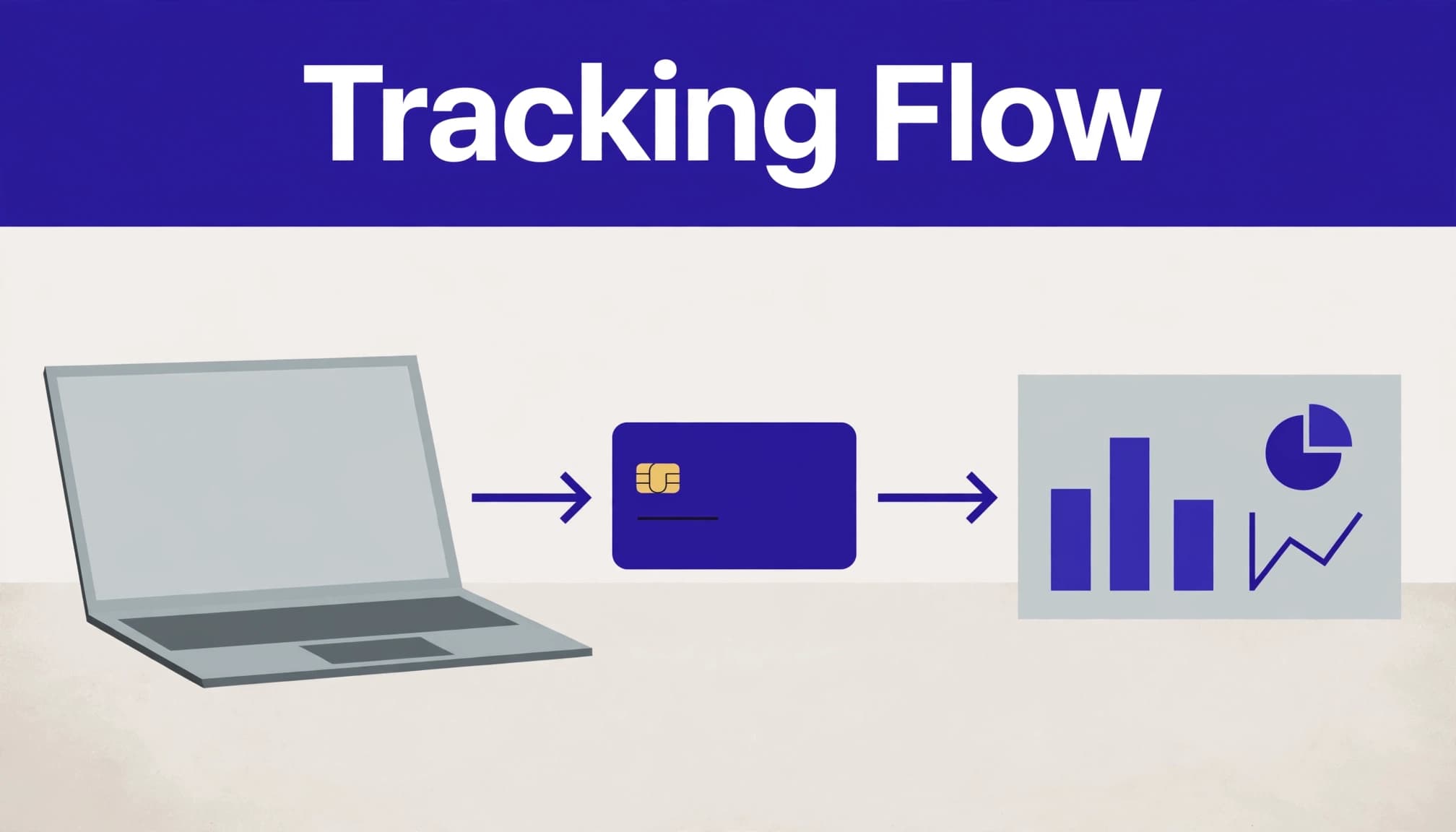
Use an internal affiliate account or a controlled partner. Open the referral link in a clean browser session. Complete a low-risk test purchase if your payment setup allows it.
Check that the correct affiliate receives attribution. Then check that the customer, payment, and commission appear as expected after the normal processing window.
Test these cases before launch:
- A referral link followed by a successful new subscription.
- A coupon-based purchase, if your program allows promotion codes.
- A subscription upgrade or downgrade.
- A full refund and a partial refund.
- A cancellation before the next renewal.
Record the date, affiliate ID, customer email used for testing, payment reference, and expected result. That record gives support a reproducible case if a report looks wrong.
Fix the path, not the report
Don’t change five settings after one missing result. Check the referral link, landing page, checkout method, campaign rule, and payment status in order.
A customer may abandon checkout, use another affiliate’s link later, or buy after the attribution period ends. Not every missing commission is a platform error.
RUN PAYOUTS AS A FINANCE PROCESS
Affiliate software automates tracking. It does not approve every payment decision for you.
Separate pending commissions from money you owe
Clicks are not customers. Created commissions are not final cost. Keep four stages in your internal record: pending, approved, paid, and voided or reversed.
Review results monthly by affiliate and campaign. Track approved customers, retained referred revenue, refunds, reversals, total commission cost, and payout corrections.
Use this calculation for each partner:
Approved EPC = approved commissions / outbound referral clicks
This puts partner traffic into context. An affiliate with 100 clicks and $100 in approved commissions may be more valuable than one with 2,000 clicks and $40 in approved commissions.
Keep an adjustment log
Never overwrite an old commission amount when a refund changes the result. Keep the original row and add an adjustment row with the refund reference, amount, date, reason, and reviewer.
A completed payout requires a separate recovery decision. You may offset future payouts, request repayment, or absorb a small loss. Your affiliate terms should state which option applies.
Rewardful lists PayPal and Wise payout options, plus Managed Payouts for eligible programs. Managed Payouts has a separate fee, so review Rewardful’s transaction-fee details before you make it part of your process.
BUILD A PROGRAM THAT HOLDS UP
A no-code affiliate program is not hands-off. Rewardful removes the need to build billing attribution from scratch, but you still own partner approval, commission rules, and payout review.
Start with one campaign, a small partner group, and a tested Stripe checkout path. Expand only after approved commissions match retained customer revenue.
The best affiliate program is one your marketing team can grow and your finance team can verify.
FAQS
Can I use Rewardful without Stripe?
Rewardful supports Stripe and Paddle. If your billing system uses neither, confirm compatibility before you commit to a plan. Rewardful is most direct for SaaS businesses that already collect subscription payments through Stripe.
Should I pay recurring commissions forever?
Usually, no. Set a limit that matches your retention and acquisition model. You might pay on the first three payments, the first year, or for the customer’s active lifetime if your margin supports it. Put the limit in your campaign and affiliate terms.
When should I pay affiliates?
Pay after your refund and dispute window has passed. A fast payout can create expensive recovery work when a customer refunds or disputes a payment later. Review approved commissions first, then release the payout batch.

