Launch Partner Portal Software With Rewardful
A partner program fails when links, commissions, and payout rules live in different places. Your partners don’t know what they earned. Your team can’t explain why a referral didn’t track. Partner portal software gives affi...


A partner program fails when links, commissions, and payout rules live in different places. Your partners don’t know what they earned. Your team can’t explain why a referral didn’t track.
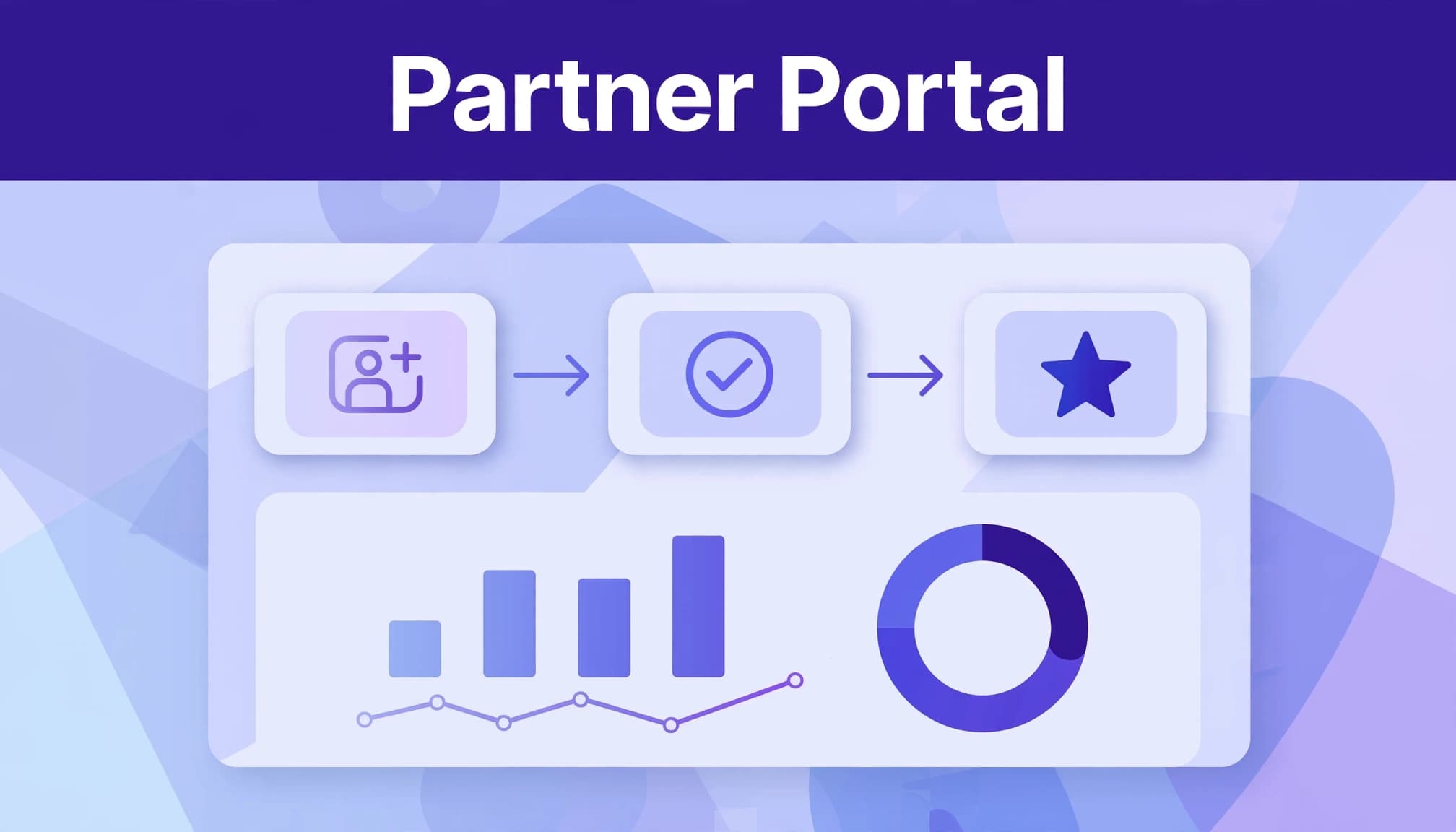
Partner portal software gives affiliates one place to get links, view conversions, and follow commission status. Rewardful is built for SaaS teams that need affiliate or referral tracking connected to Stripe or Paddle, without buying a full enterprise partnership platform.
Start with the offer and billing flow. Then configure tracking, test it, and release the program in controlled batches.
CHOOSE PARTNER PORTAL SOFTWARE FOR THE RIGHT JOB
Rewardful is affiliate and referral software for SaaS businesses. It connects customer billing activity to partner attribution, commissions, and reporting.
It works well when your main goal is clear: reward a partner for sending a paying customer. The Rewardful platform overview focuses on that operating model.

When Rewardful is a good fit
Use Rewardful when you sell a SaaS subscription through Stripe or Paddle and want to launch quickly. A typical program includes affiliates, customer advocates, agencies, creators, or consultants.
Partners receive a unique link. Rewardful attributes referred customers. Your team applies the campaign rules and reviews commissions before payout.
This is a practical setup for teams that need recurring or one-time commissions, partner groups, basic reporting, and a partner-facing place to access links and results.
When you need more than Rewardful
Don’t treat a simple affiliate system as an enterprise partner ecosystem.
Large channel programs often need deal registration, co-selling workflows, partner account plans, multiple approval stages, territory rules, marketing development funds, custom learning paths, and CRM-based pipeline sharing. Rewardful is not built to replace a full PRM system with those controls.
Start with Rewardful if your program is referral-led and billing-based. Move to a broader platform only when your operating process requires complex partner relationships, not because the dashboard looks basic.
A partner portal should match the program you can operate today, not the program you may have in three years.
DEFINE THE COMMISSION BEFORE YOU INVITE ANYONE
The commission rule is your program’s contract. Write it before you create a campaign or publish an application form.
Rewardful supports percentage-based and fixed-fee commissions. The right choice depends on your pricing model and margin.
Set rate, duration, and approval timing
A percentage rate works when plans vary in price. A fixed amount works when every qualified customer has similar value.
Decide whether the partner earns on the first payment only or on recurring subscription revenue. If you pay recurring commissions, define the maximum number of invoices or months that qualify.
Set a delay before a commission becomes due. This protects the program from refunds, failed payments, and short-lived subscriptions. A 30-day or 60-day review window often makes more sense than immediate payment for a monthly SaaS plan.
Rewardful’s Stripe affiliate software page explains its billing-based attribution model. Your internal rule still needs to state what counts as a valid customer.
Publish rules partners can price into their work
Don’t publish a headline rate without the operating details. Affiliates need to know when they earn, when they get paid, and what can reverse a reward.
Your terms should cover:
- The rate and whether it applies to collected revenue or gross sale value.
- The cookie window and the attribution rule when several partners touch the same customer.
- Whether self-referrals, coupon sites, paid search, or trademark bidding are allowed.
- The refund, chargeback, and cancellation policy.
- The payment threshold, review cycle, and payout method.
Rewardful’s own affiliate offer uses a 60-day cookie and pays 25% commission for the first 12 months of a referred subscription. That is an example, not a default program rule. Your rate must work with your customer acquisition cost and retention.
CONNECT BILLING AND CREATE THE FIRST CAMPAIGN
Your billing setup is the source of truth. Do not build the portal around manual spreadsheets if Stripe or Paddle already holds the payment event.
Connect Stripe or Paddle first
Connect the payment processor before you recruit partners. For Stripe users, Rewardful provides a two-way sync that ties subscription and payment data to tracking records.
For Paddle, connect from Rewardful, then add the Paddle public key from the Paddle dashboard. Test this connection with a real checkout flow before a public launch.
The Rewardful explanation of Stripe and Paddle programs is clear on the product boundary: it is designed for SaaS affiliate programs that depend on recurring billing data.
Use one billing account for your first campaign where possible. Multiple legal entities, currencies, or checkout products add reconciliation work. Map those cases before you promise one commission rule across every product.
Build one clean campaign
Create one campaign for one audience and one reward structure. Do not launch separate campaigns for creators, agencies, and customers unless their terms differ.
Set the display currency. Choose the commission type. Add the rate, duration, and days before commissions become due. Then name the campaign so finance and support can identify it later.
For a customer referral offer with immediate fulfillment, Rewardful documents that you can set the due-date delay to zero. That only works when you accept the refund risk or have a clear recovery process.
Use the official customer referral setup guide when you need conversion tracking in a Stripe or Paddle checkout.
BUILD A PORTAL PARTNERS CAN USE WITHOUT SUPPORT
A portal is not complete because the signup form works. Partners need enough context to promote you correctly without opening a ticket.
Give them the approved link, offer details, brand assets, product positioning, and contact route. Keep the first version small.
Give each partner a useful starting pack
Create a short partner welcome page outside the dashboard if your program needs more guidance. Include the ideal customer profile, approved product claims, key links, and prohibited promotion methods.
Use ready-made copy carefully. A partner should understand the product well enough to adapt the message for their own audience. Generic swipe copy usually produces generic traffic.
Ask applicants how they plan to promote the product. A creator with a focused newsletter may be a better fit than a large account with no audience match.
Keep links and campaigns easy to identify
Assign a simple naming rule before links spread across the internet. Include the partner name, campaign, and channel in your internal records.
Track the affiliate ID, campaign name, landing page, link type, traffic source, and any SubID value you use. A SubID can separate a YouTube description from a newsletter link without creating new affiliate accounts.
Don’t change a working destination URL without testing it. A redirect, a new checkout domain, or an untagged pricing page can break attribution even when the portal shows active links.
TEST ATTRIBUTION BEFORE YOU ANNOUNCE THE PROGRAM
Do not judge the launch by the number of partner applications. Judge it by approved, correctly attributed customers and cleared commissions.
Run test orders using an affiliate link and a clean browser session. Check the entire path: click, cookie, checkout, payment, commission, refund, and reporting status.
Test the cases that create payout disputes
A happy-path test is not enough. Run controlled tests for the problems your support team will see later:
- Test a new visitor who clicks an affiliate link and completes checkout.
- Test a visitor who clicks one partner’s link, then another partner’s link.
- Test a refund or canceled subscription before the commission becomes due.
- Test a returning customer who should not qualify as a new referral.
- Test each live domain, checkout route, and plan type.
Record the expected result before each test. Save the link, affiliate ID, test customer, invoice, date, and campaign. When a result differs, you have facts to investigate instead of a vague report.
Separate activity from money
Clicks are not revenue. Created commissions are not cleared commissions. Paid commissions are not always retained revenue.
Track referred customers, paid invoices, pending commissions, due commissions, paid commissions, refunds, voids, and reversals. Review partner-level refund rates each month.
Rewardful explains how its commission payment process uses Stripe data and handles unpaid refund-related adjustments. Still keep your own correction log. A paid commission may require a finance decision if the customer later disputes the payment.
RUN PAYOUTS AS A FINANCE PROCESS
A payout batch needs a named owner and a fixed review date. Do not let marketing release commissions without a record of what finance approved.
Use clear statuses in your internal sheet or finance system: Draft, Needs Review, Approved, Paid, and Corrected. Preserve original entries when something changes.
Reconcile the payout record monthly
Download or export the period’s commission data. Review each pending, due, paid, refunded, and voided record. Then match approved payouts against payment-provider transactions.
Keep one row for each commission adjustment. Record the original commission, adjustment amount, refund or chargeback reason, approval owner, and payment date.
Calculate program economics with a simple rule:
Net affiliate earnings = approved percentage rewards + approved fixed rewards – reversals
This is an operating figure, not tax advice. It gives growth and finance teams the same reference point when they decide which partners and campaigns deserve more attention.
If your team needs a payout workflow, campaign structure, or attribution review across several systems, Book A Call.
PRE-LAUNCH CHECKLIST FOR REWARDFUL
Complete these checks before you share the application page or invite your first affiliate.
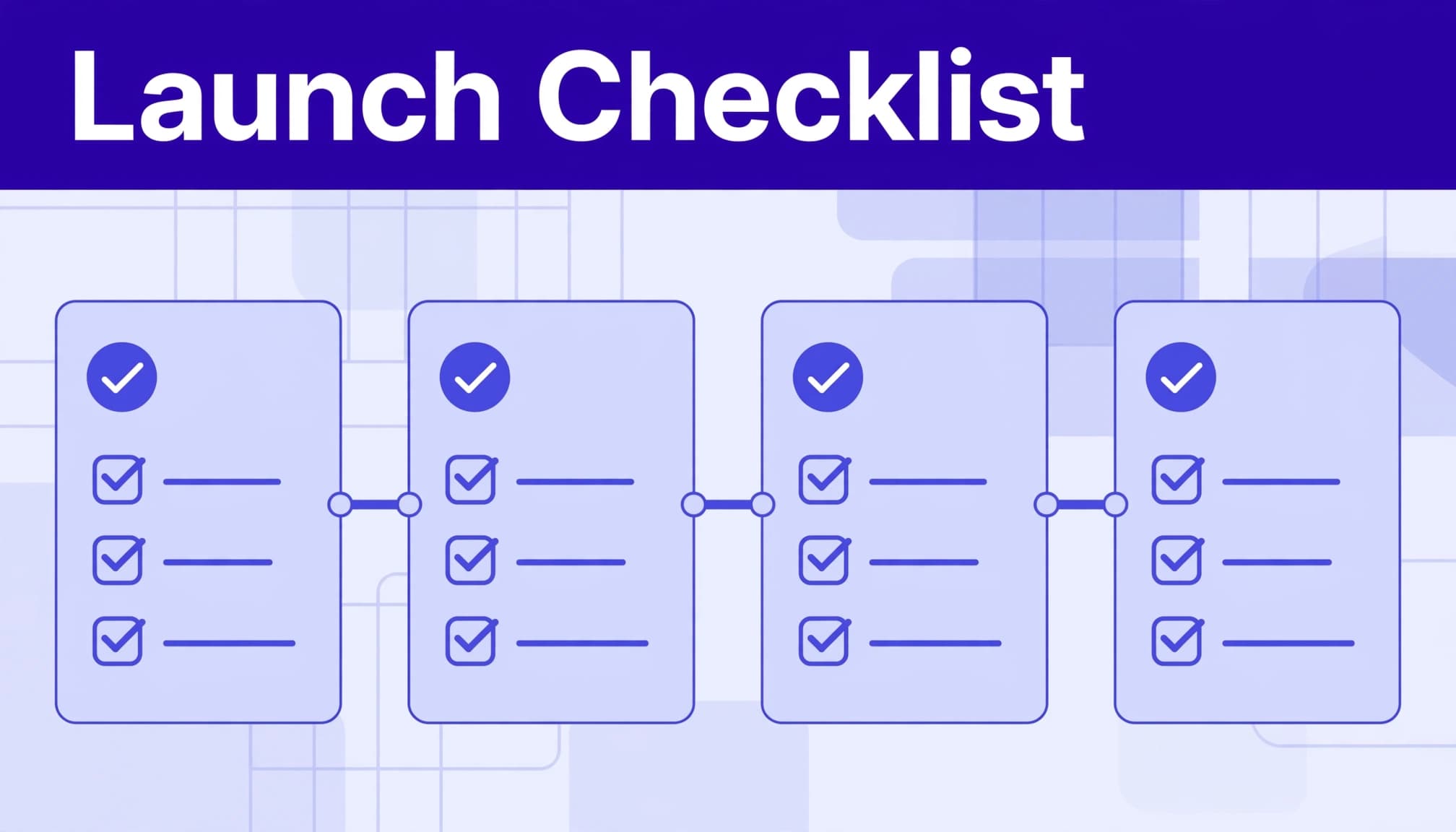
- Connect the correct Stripe or Paddle account and verify the live checkout flow.
- Create one campaign with a documented rate, duration, cookie rule, and due-date delay.
- Test attribution on every landing page, domain, plan, and checkout path.
- Write partner terms for refunds, self-referrals, prohibited traffic, and payout timing.
- Set an approval owner for applications, commissions, and payout batches.
- Create a support template that asks for the partner ID, link, date range, order details, and screenshot.
- Store the last trusted commission export before you make campaign changes.
- Review your public partner page for outdated rates, missing disclosures, and broken links.
A support request should describe the funnel stage. State whether the issue is a missing click, missing referral, pending commission, reversal, or unpaid payout. That distinction cuts investigation time.
KEEP THE PROGRAM SMALL UNTIL THE DATA IS TRUSTED
Rewardful’s current plans start at $49 per month, with pricing tied to affiliate-generated monthly revenue. The Starter, Growth, and Enterprise options make sense for teams that need a focused SaaS affiliate operation, not a large partner network on day one.
Launch with a limited group. Ten to 25 relevant partners will expose broken links, unclear terms, weak traffic, and payout questions faster than a large public announcement.
Measure the records your team accepts, not portal activity. If 50 commission records create hours of corrections, fix the campaign settings and checkout path before you recruit more people.
FINAL THOUGHTS
Rewardful can give a SaaS team practical partner portal software when the program is built around affiliate links, billing events, and clear commission rules.
The work that matters happens around the dashboard. Define the offer, test every checkout path, review commissions, and keep an adjustment record.
A simple partner program with trusted data beats a large program built on disputed payouts.

