How I Spot Emerging Plant-Based Products on Exploding Topics
Plant-based products are moving fast again, but the winners in 2026 look different. I’m seeing less noise around copycat meat swaps and more pull toward protein, dairy alternatives, snacks, and functional foods people can use every da...
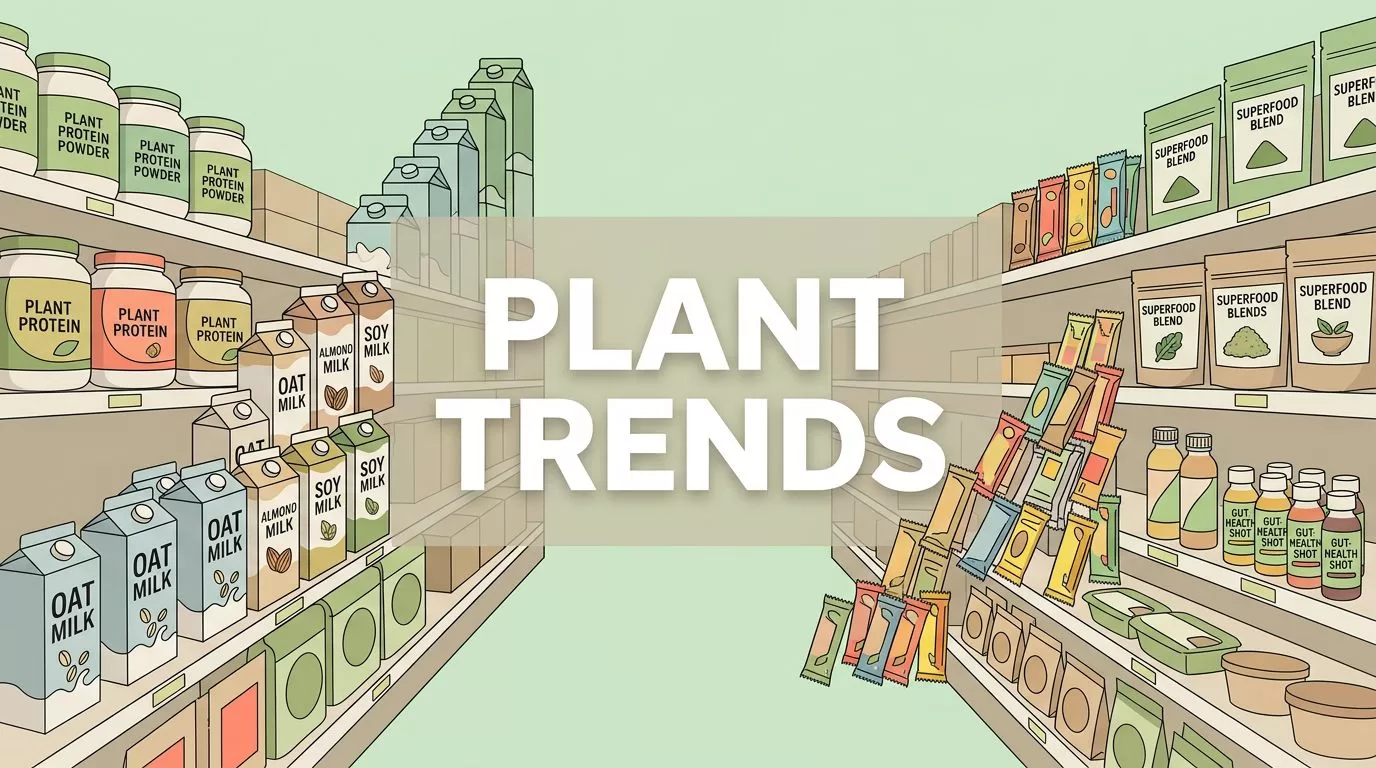
Plant-based products are moving fast again, but the winners in 2026 look different. I’m seeing less noise around copycat meat swaps and more pull toward protein, dairy alternatives, snacks, and functional foods people can use every day.
I use Exploding Topics to spot plant based products before they reach every grocery shelf. Then I check whether the signal shows up in search, consumer behavior, retail adoption, and repeat buying.
Where I begin when I scan food trends
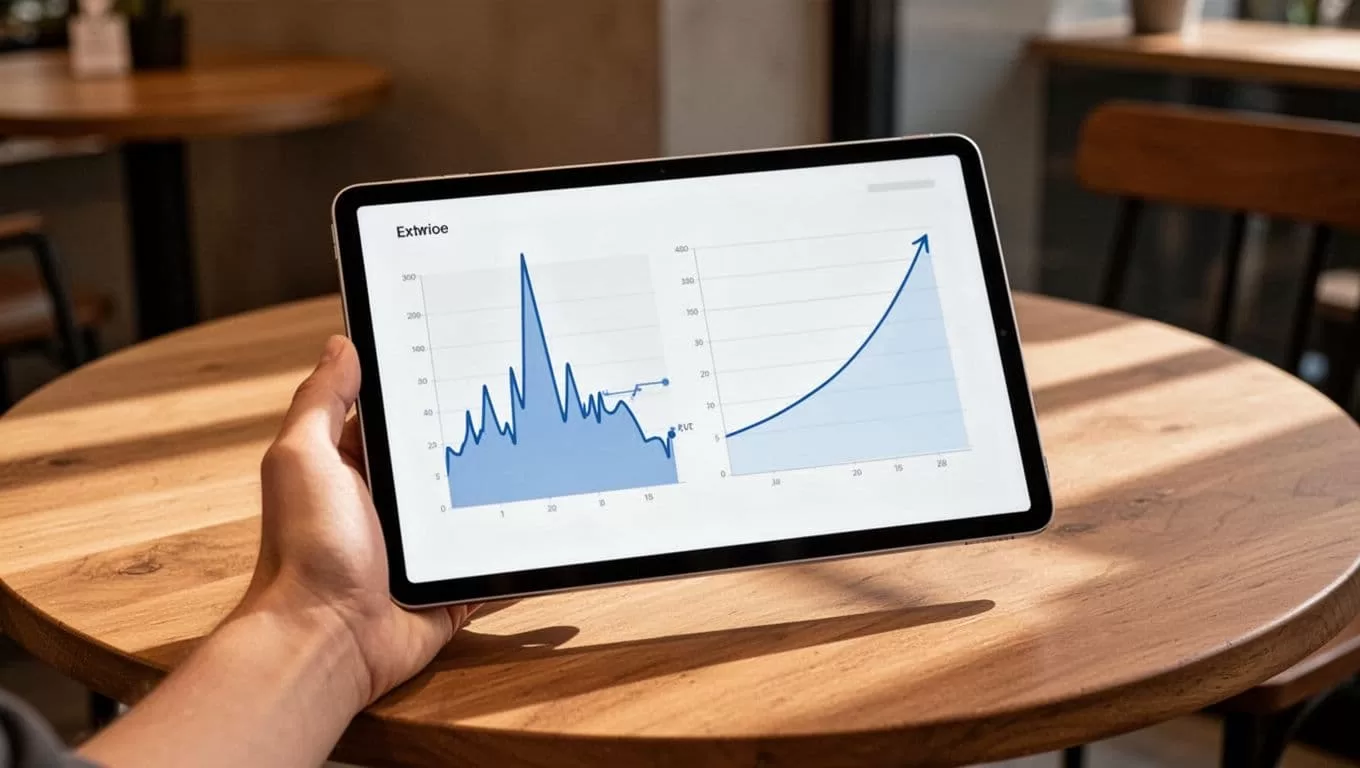
I start with Exploding Topics’ food topics page and look for clusters, not one loud spike. A single jump can be a social media wave. A group of rising terms feels more like a market shift.
In April 2026, I pay close attention to the slope of the line. If plant-based protein, dairy alternatives, and fiber-rich snacks all rise together, I take that seriously. I also compare what I see with Innova’s plant-based trends overview for 2026, because it helps me see whether the market is leaning toward nutrition, natural ingredients, or better taste.
A trend that grows in several places is harder to dismiss. A lone spike often fades as fast as it appears.

The product areas I watch first
I keep coming back to five product groups. They tell me where demand is getting more mature.
Plant-based protein is still the anchor. Fava bean, pea, soy, wheat, and mushroom proteins keep showing up because they solve different jobs. Some work in shakes. Others fit meat-like meals or snacks.
Dairy alternatives are changing shape too. I see more room for chickpea cheese, millet blends, and fermented options than for plain nut milks alone. Taste and texture matter more than the label.
Snacks and convenience foods matter because they fit real life. I’m watching mushroom bars, fiber-rich bites, ready-to-eat meals, and prebiotic drinks because they are easy to buy twice.
Functional ingredients are another clue. Fiber, mushrooms, and clean-label add-ins show me that buyers want food with a benefit, not just a swap.
Sustainability still matters, but I only trust it when it sits beside taste and convenience. People may care about the planet, but they still need lunch.

How I separate hype from real growth
I use the same four checks every time. They keep me from chasing a loud headline that won’t last.
| Signal | What I want to see | What makes me cautious |
|---|---|---|
| Search trends | A steady climb over months | A spike that drops fast |
| Consumer behavior | Reviews, recipes, and repeat use | Curiosity with no purchase intent |
| Retail adoption | More shelf space or menu tests | One novelty listing |
| Product-market fit | Clear use case and fair price | A product that feels too niche |
I trust a trend more when the same product keeps showing up in search, carts, and store aisles. That is where my trend-to-business filter helps me most. It keeps me from confusing attention with demand.
A trend that survives retail usually solves a meal problem, not a mood.
I also look for signs that the product earns a second purchase. If buyers come back, the trend has more weight. If they only try it once, I treat it as a test, not a win.
What durable plant-based growth looks like in 2026
The strongest plant-based products I’m seeing feel useful first and trendy second. They are built around a job, like better protein intake, easier prep, cleaner labels, or improved digestion.
That’s why fava bean protein, mushroom-based ingredients, chickpea cheese, and fiber-forward drinks keep getting my attention. They solve basic food problems without asking buyers to change their whole routine.
I also see momentum in high-protein shakes and snacks tied to GLP-1 use, because people want smaller, denser meals. Convenience matters there. So does taste.
On the retail side, I watch for products that move from niche online stores into broader grocery and foodservice testing. That is a stronger signal than a wave of social posts. It also lines up with my early-stage consumer trends method, because real demand leaves marks in more than one place.
My simple workflow for spotting winners early
I keep my process short so I can repeat it.
- I scan rising food topics each week and save anything that keeps climbing.
- I check reviews, comments, and recipe use to see how people talk about the product.
- I look for retail proof, like grocery tests, menu trials, or new private-label versions.
- I ask whether the product sells once or earns repeat purchase.
If the answers stay vague, I keep watching. If the answers are clear, I look at price, margin, and how easily the product fits into normal meals.
For a broader context, I sometimes revisit this food trend signal source and compare it with what shoppers are saying in public. That helps me see whether a product is only getting attention or whether it is becoming part of a habit.
The signal I trust most
I don’t need every plant-based product to become a giant category. I only need to see which ideas keep rising for the right reasons.
In 2026, that usually means products with better nutrition, better taste, and better convenience. When search data, shopper behavior, and shelf adoption all point the same way, I know I’m looking at something with staying power.
That is the difference between a brief buzz and a market that keeps growing.
