How I Spot Trending Water Purification Tech With Exploding Topics
Clean water tech is moving faster than most people notice. In April 2026, the strongest signals show up in search data before they show up in bids, pilot programs, or retail shelves. I use Exploding Topics as my first filter, then I check w...

Clean water tech is moving faster than most people notice. In April 2026, the strongest signals show up in search data before they show up in bids, pilot programs, or retail shelves. I use Exploding Topics as my first filter, then I check whether the problem is real enough to pay for. I also lean on using Exploding Topics data to spot real demand in 2026 when a trend starts to look noisy.
Water purification is full of products that sound smart but fade fast. PFAS removal, advanced membrane filtration, atmospheric water generation, UV-C, electrochemical purification, smart monitoring, and off-grid systems all have a reason to rise now. The trick is knowing which ones are building a market, and which ones are just getting attention.
I start with movement, not headlines
I don’t look for the loudest water story. I look for a steady climb in interest across weeks or months. One spike can come from a press release. A cluster of rising terms usually points to a real shift.
When I scan trend data, I want to see related language appear together. For example, PFAS removal may rise alongside reverse osmosis, nanofiltration, and home testing kits. That mix tells me the topic has depth. I use the same habit in my guide to future tech trends in 2026, because broad trend patterns often show up before a category gets crowded.
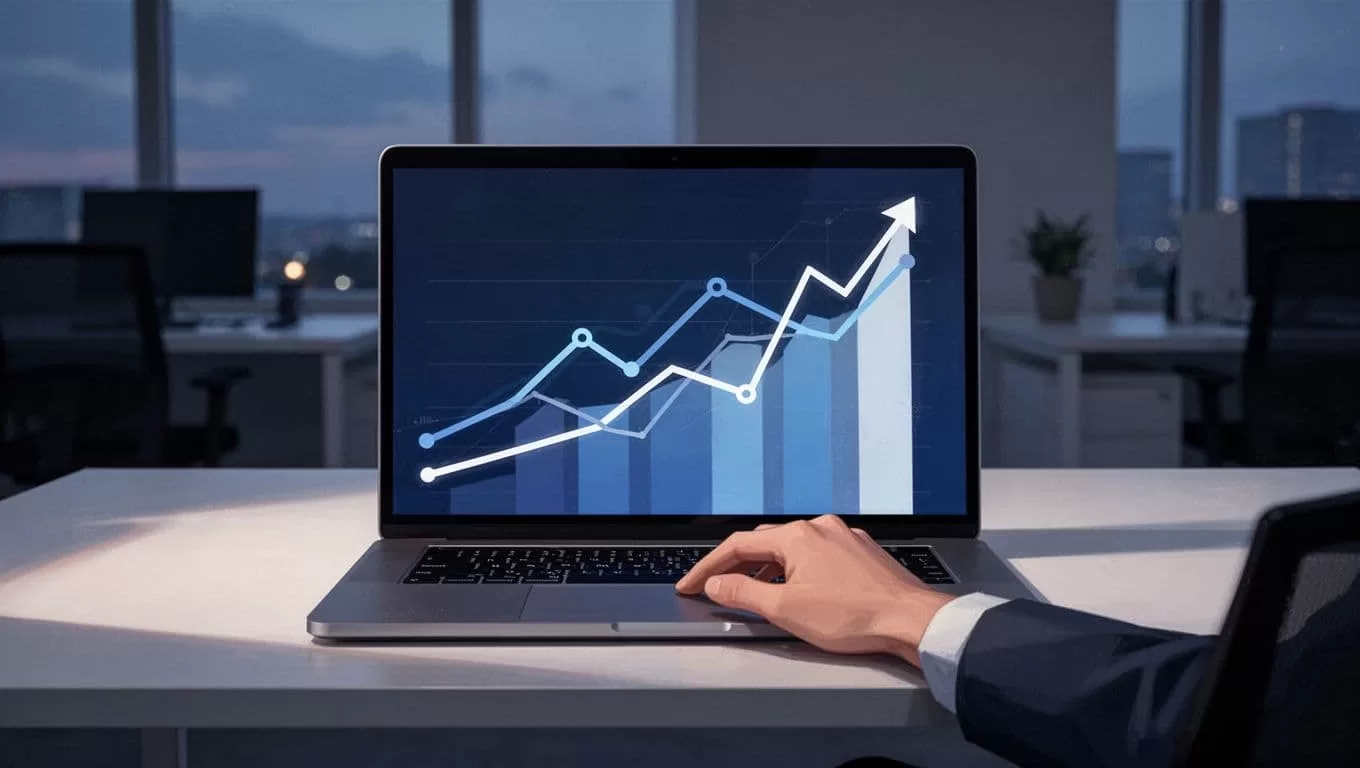
I also watch for buyer language. If people start talking about cost, replacement filters, certifications, or installation, I pay closer attention. That is usually where interest turns into demand.
The 2026 water tech categories I watch most closely
PFAS removal is pulling the strongest attention
PFAS removal keeps rising because the pain is clear. People want proof that forever chemicals are gone, not a vague promise. Homeowners want safer water. Utilities want compliance. Businesses want less risk.
A Nature Communications study on PFAS-free potable water matters because it points to chemistry that can handle even short-chain PFAS. That is where weaker systems often fall apart. I also watch for products that publish test data, because broad claims without numbers usually hide weak performance.
What makes this category feel durable is repeat demand. Filters wear out. Systems need service. Testing needs to happen more than once. That creates a real market, not just a one-time sale.
Advanced membrane filtration looks more practical each year
Membrane filtration is getting sharper, lighter, and more efficient. I care about it because it tackles more than one problem at a time, including salts, microplastics, bacteria, and some heavy metals. That matters in homes, food service, industrial sites, and remote setups.
I pay attention when membrane work moves beyond the lab. The portable electricity-free nanofiltration study is a good example, because it shows how clean-water systems can shrink without losing function. That kind of progress changes what can be deployed, and where.
This is also where hybrid systems keep growing. Carbon, UV, and membrane stages often work better together than alone. If I see a product that solves only one narrow issue, I stay cautious. If it handles several at once, I keep watching.
Atmospheric water generation is getting more serious
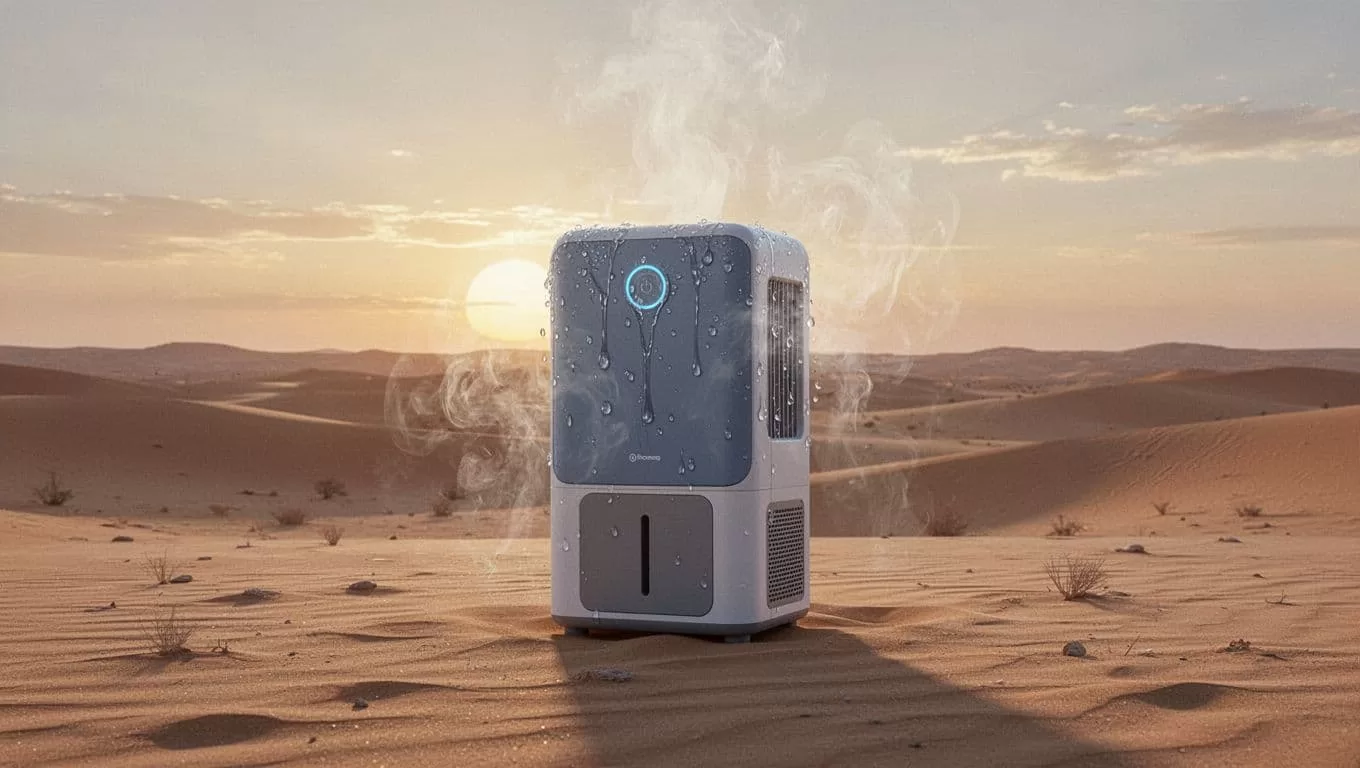
Atmospheric water generation keeps drawing attention because it solves a simple but brutal problem, water without pipes. That matters in drought zones, disaster response, farms, and remote work sites. It also matters where infrastructure is weak or expensive.
I trust this category more when the conversation shifts from inspiration to energy use. The Nature review of atmospheric water harvesting focuses on the hard part, which is getting usable water without burning too much power. That is the right lens. Many demos can pull water from air. Fewer can do it efficiently enough to scale.
I look for signs like container-sized systems, lower humidity performance, and repeat deployment. Those are better signals than a polished prototype photo.
UV-C, electrochemical purification, and smart monitoring solve trust problems
UV-C still has a place because it kills microbes without adding chemicals. Electrochemical purification gets attention when buyers want cleaner operation or fewer consumables. Both matter, but neither wins on its own if the system is hard to manage.
That is why smart monitoring matters so much. Sensors turn a purifier into a measured system. They tell me when filters are spent, when quality drops, and when maintenance is due. For households, that means less guesswork. For B2B users, it means better uptime.
I like this category when the software side feels useful, not decorative. If the monitoring layer helps prevent failures, it adds real value. If it only looks impressive in an app, I move on.
Off-grid systems need simple service and real use cases
Off-grid purification keeps growing because clean water problems do not always sit inside a utility grid. I see demand in clinics, farms, mobile teams, rural sites, and emergency setups. A system that is modular and easy to service has a much better chance of lasting.
This is where I compare trend data with spotting trending business ideas with Exploding Topics. If a category can support a service plan, maintenance workflow, or recurring filter sales, it starts to look like a business. If it only supports one demo, it stays a curiosity.
What tells me the trend is real
I trust a water tech trend more when several signals line up. Search interest is only the start.
| Signal | What I want to see | What makes me cautious |
|---|---|---|
| Search growth | A steady climb over months | One sharp spike |
| Buyer language | Pricing, testing, service, compliance | Curiosity only |
| Proof points | Field tests, pilots, installs | Lab-only demos |
| Business fit | Repeat use or recurring sales | One-time novelty |
If a water tech trend needs a service plan, it has a better chance of becoming a market.
I also watch for neighboring terms. When PFAS, membranes, sensors, and off-grid systems rise together, I take the category more seriously. That kind of overlap usually means buyers are moving, not just reading.
When I use Exploding Topics this way, I am not trying to predict the future with perfect accuracy. I am trying to catch the direction early. In water purification, that usually means seeing the problem before the product becomes common.
The strongest trends in 2026 are the ones that keep working after the press cycle cools off. That is why I care about real deployment, not just pretty claims.
