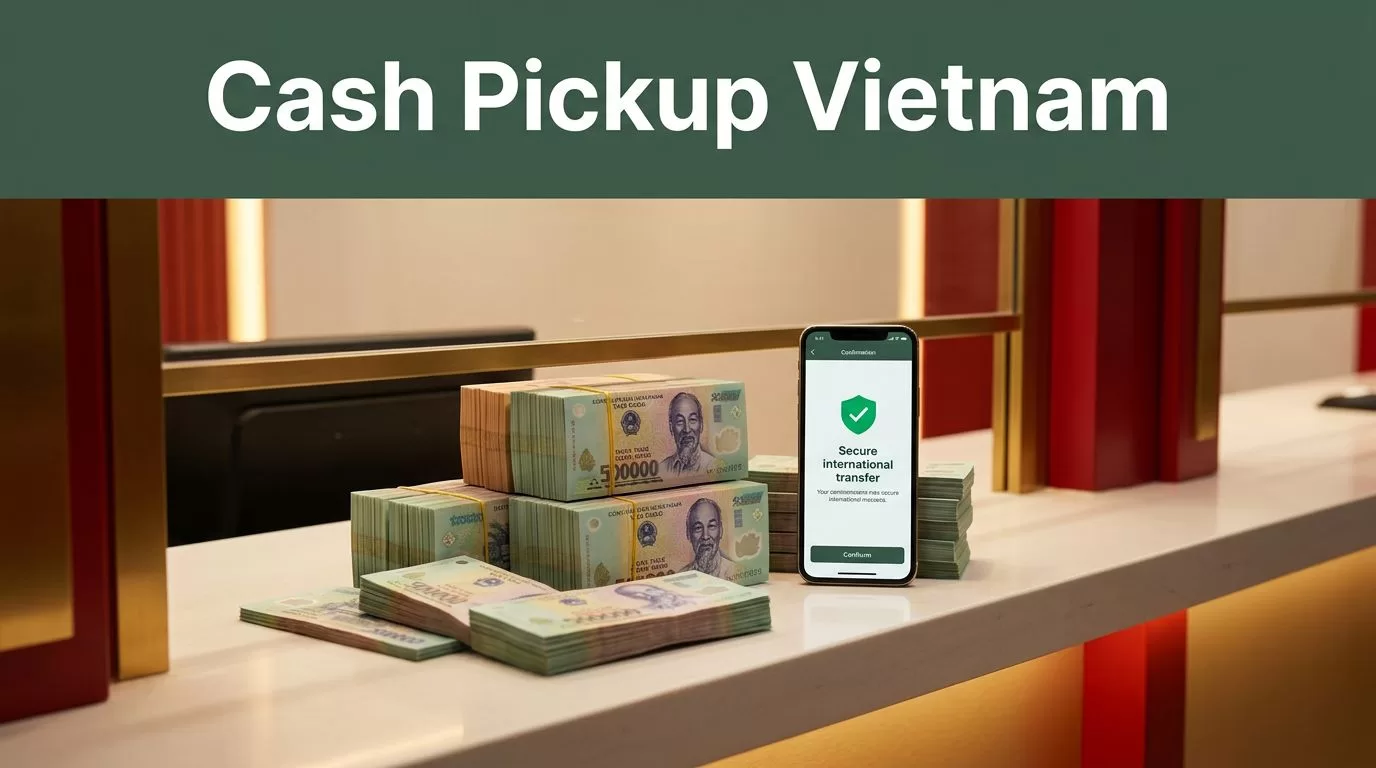
Sending money abroad doesn’t have to feel like navigating a maze. When you need funds to reach family fast without requiring them to have a local bank account, Remitly cash pickup Vietnam options provide a direct route. You fund the transaction from your end, and your recipient collects physical Vietnamese Dong from a designated local partner.
You control the destination details, and Remitly handles the currency exchange mechanics. Understanding how the process functions from start to finish keeps your transfer moving smoothly without unexpected delays.
Key Takeaways
- Senders choose a specific partner location during transfer setup rather than picking from a static public directory.
- Recipients need a unique transfer reference number and a valid government-issued photo ID to collect cash.
- Remitly cash pickup is distinct from bank deposits and mobile wallet transfers, which route funds digitally.
- Double-checking recipient name details against official identification prevents most pickup rejections.
How the Transfer Works
Remitly operates differently than traditional wire services that rely on global branch networks. You start the transfer inside the app or website by choosing cash pickup as the delivery method.

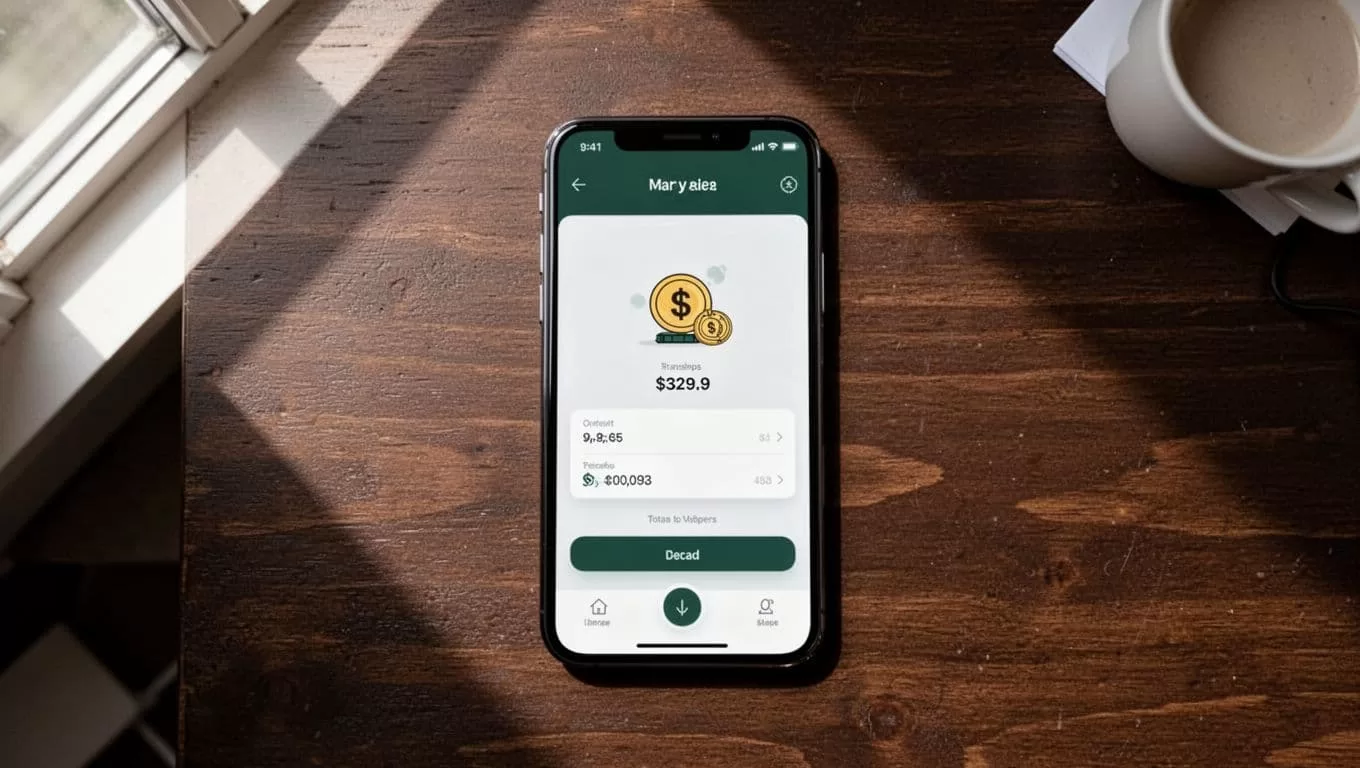
The platform requires you to select a specific partner location during setup. Remitly doesn’t publish a static, comprehensive directory of every local branch address on its U.S. site, so you select the network node when configuring the payout. Your recipient then uses the Remitly app or website to view the exact operating hours and street address for that chosen location.
Make sure you understand the difference between payout types. Cash pickup puts physical currency in your recipient’s hands. Bank deposits route funds directly into accounts at institutions like Vietcombank or Sacombank, while mobile wallets push balances to digital apps. Don’t select cash pickup if your recipient expects a direct bank transfer, because the collection method changes how the funds arrive. Learn more about regional delivery options by reviewing Remitly’s guidance for sending money to Vietnam.
Checklist for Senders and Recipients
Preparation eliminates most transfer errors. Before you tap send, review what both sides need to complete the transaction successfully.
For the sender:
- Verify the recipient’s full legal name matches their government-issued identity documents exactly.
- Confirm the city and specific pickup partner choice before finalizing payment.
- Fund the transfer using a linked bank account, debit card, or credit card.
- Save the tracking code to share with your recipient.
For the recipient:
- Bring a valid government-issued photo ID, such as a national ID card or passport.
- Write down the unique transaction reference number provided by the sender.
- Confirm operating hours before visiting the pickup location.
- Verify that the local currency amount matches expectations before leaving the counter.
Reviewing these details prevents the frustration of a rejected pickup attempt. Remitly offers structured support for safely sending money to Vietnam if you run into verification questions during setup.
Troubleshooting Delayed Transfers or Unsuccessful Pickup
Delays happen when verification flags trigger security reviews or when details mismatch. If your recipient arrives at the counter and the agent cannot find the transaction, check your app notifications first. Remitly frequently pauses transfers to request additional documentation for compliance purposes.
If the name on the transaction differs by even one letter from the recipient’s ID card, the agent will deny the payout. You can fix this by contacting Remitly support to update the recipient profile details. Keep in mind that weekends and local holidays in Vietnam can impact processing times for certain funding sources. You can also review current USD to VND rate mechanics to ensure your transfer amount accounts for exchange rate fluctuations. Double-check your transfer status dashboard to confirm whether the funds are ready for release before your recipient makes another trip.
Conclusion
Getting cash into the hands of family members abroad requires careful attention to identity details and network selection. Setting up your transfer correctly the first time keeps funds moving without administrative holds.
Keep your tracking details secure and confirm recipient names match official documents. Plan your transfers ahead of local holidays to ensure uninterrupted cash availability.