Remitly Costa Rica: Send Money Securely
A money transfer can fail because of one wrong name, account number, or payout option. If you’re using Remitly Costa Rica to send funds to family, friends, or your own account, accuracy matters before you confirm payment. The safe pro...
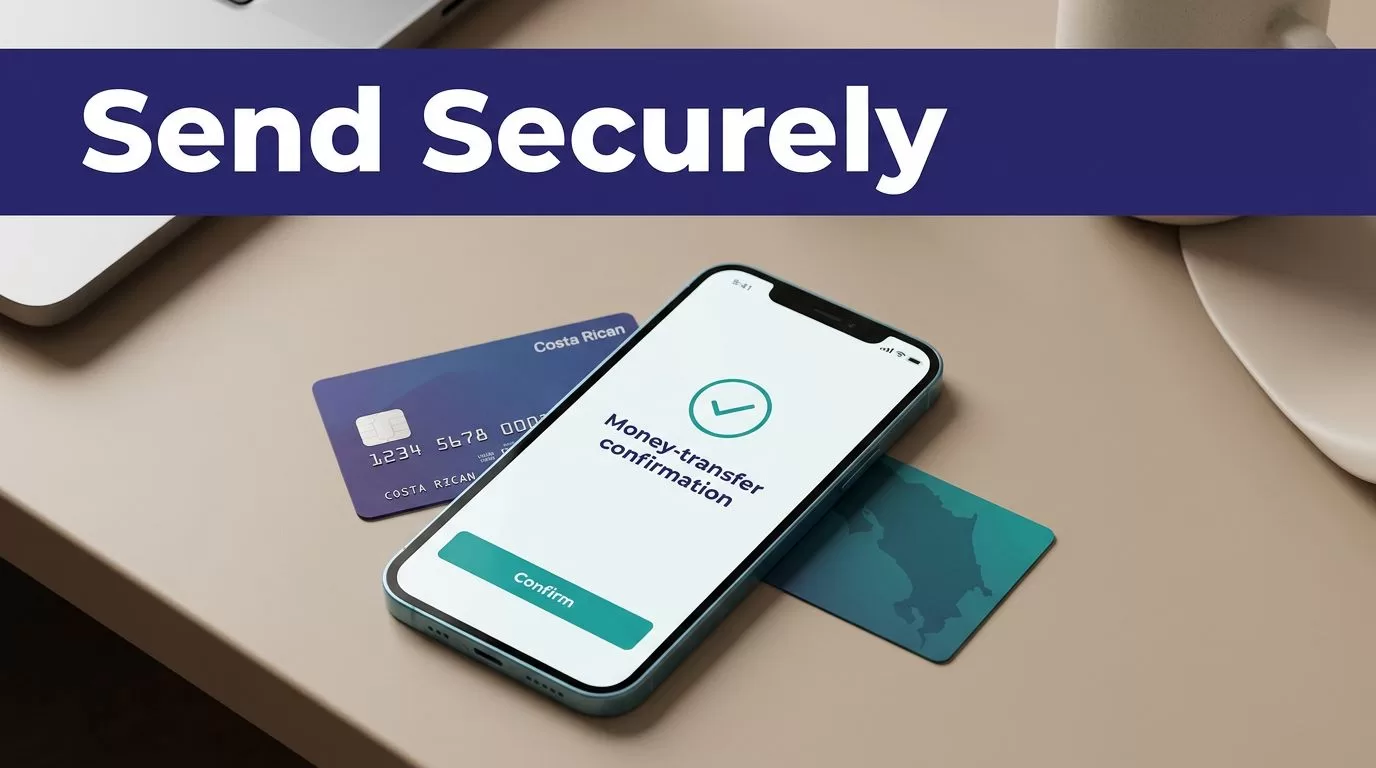
A money transfer can fail because of one wrong name, account number, or payout option. If you’re using Remitly Costa Rica to send funds to family, friends, or your own account, accuracy matters before you confirm payment.
The safe process is direct. Check the live quote, choose the correct delivery method, verify the recipient’s details, and use only official Remitly channels. Start with the sender-side steps, then confirm what the recipient needs to collect the money.
Remitly Costa Rica: Check These Details First
Remitly availability depends on the country where the transfer starts. Available payment methods, delivery options, fees, exchange rates, transfer limits, and identity checks can change by originating country. A transfer from the United States may not follow the same process as one from Canada, the United Kingdom, or another market.
For a U.S.-to-Costa Rica transfer, Remitly supports bank deposit and cash pickup options. The available payout network may include providers such as Banco Nacional, Banco de Costa Rica, BAC Credomatic, Banco Popular, Scotiabank, Coopealianza, Teledolar, and Easy Pay. The exact provider list appears during setup and can change.
Before opening the transfer form, collect:
- The recipient’s legal name exactly as it appears on their identification or bank account.
- The recipient’s phone number and contact details.
- The bank name and account number, if using a deposit.
- The preferred cash pickup provider and location, if using cash pickup.
- Your own valid payment method and identification details.
Don’t use a nickname, shortened name, or different spelling. A mismatch can delay the transfer or prevent payout. Ask the recipient to send their details through a trusted channel, then compare each field before submitting it.
Use the official Remitly transfer site for the current route, quote, and available options. Don’t rely on an old screenshot, a social media offer, or a fee shown on another website.

How to Send Funds Via Remitly to Costa Rica
Remitly’s setup flow is designed around four tasks: create an account, enter transfer details, choose delivery, and track the transaction. Keep the process controlled. Review every field before moving to payment.
Sender-side steps
- Create or access your Remitly account. Use the official app or type Remitly.com into your browser. Avoid links sent by unknown people or accounts.
- Select Costa Rica as the destination. Confirm the originating country shown in your account. The available payment and payout methods depend on this selection.
- Enter the amount and currency. The quote should show how much you pay, the exchange rate, the fee, and how much the recipient receives. Review the amount in Costa Rican colones when applicable.
- Choose the delivery speed and method. Select bank deposit or cash pickup when available. Don’t choose a method based only on speed. Confirm that the recipient can access the selected bank or pickup provider.
- Add the recipient’s information. Enter the legal name, phone number, bank information, or pickup details. Compare the final summary with the information the recipient provided.
- Review the live quote before paying. Fees and exchange rates can change. Promotions may also have conditions. The quote shown at the time of confirmation is the one to evaluate.
- Pay through an approved method. The available choices can include debit or credit cards and, in some originating countries, bank-account payments. Use a payment method held in your name when required.
- Save the confirmation and track the transfer. Keep the transaction details, amount, recipient, and status. Don’t create a duplicate transfer because the first one appears delayed.
Remitly may request additional documentation if it can’t verify your identity or if the transfer amount requires more review. Follow the request inside the official app or website. Don’t send identification documents to an unverified email address or private message.
Recipient-side steps
The recipient should confirm which delivery method you selected. A bank deposit requires the correct account information. A cash pickup requires the recipient to use the designated provider and follow its identification rules.
The recipient may need to show an accepted government-issued identification document. Requirements vary by provider and transaction, so check the instructions attached to the transfer. The recipient’s name must match the details submitted by the sender.
For a recipient collecting cash, share the transaction information through a private channel. Don’t post it publicly. If the recipient sees a problem at pickup, they should contact Remitly through the official support option instead of paying a third party to “release” the money.
Choose Bank Deposit or Cash Pickup
The right delivery method depends on how the recipient uses money in Costa Rica. Bank deposit is usually the better operational choice when the recipient has an eligible account and wants the funds deposited directly. Cash pickup can work when the recipient doesn’t have a supported bank account or needs to collect cash from a nearby provider.
| Delivery method | Best fit | Details to verify |
|---|---|---|
| Bank deposit | A recipient with an eligible Costa Rican bank account | Legal name, bank name, account number, and phone number |
| Cash pickup | A recipient who needs to collect funds in person | Provider, pickup location, legal name, identification requirements, and transaction details |
The recipient should not assume that every branch can pay out every transfer. Confirm the provider and location displayed in the Remitly flow. Availability can also depend on the destination, amount, operating hours, and local requirements.

Bank deposits reduce the need for a physical collection, but they make account accuracy more important. Cash pickup offers a different risk profile. The recipient must travel to the correct location and protect their identification and transaction details.
Review Fees, Exchange Rates, and Delivery Times
Don’t estimate the cost from a previous transfer. Remitly fees and exchange rates depend on the originating country, amount, payment method, delivery method, currency, and any current promotion. The live quote is the reliable reference.
Check these figures before approving payment:
- Total amount charged to your payment method.
- Transfer fee shown in the quote.
- Exchange rate applied to the transaction.
- Amount the recipient will receive.
- Delivery estimate and selected speed.
- Any conditions attached to a promotional rate or fee.
A higher displayed fee doesn’t automatically mean the transfer is poor value. A lower fee can come with a different exchange rate or delivery option. Compare the final recipient amount, not the fee alone.
The Remitly guide for first-time international transfers also highlights the need to check cost, security, and delivery details before sending. Use Remitly’s current quote and official help content for confirmation because older articles may not reflect today’s route conditions.
Transfer limits also vary. Remitly may apply account, daily, monthly, or rolling limits. A larger transfer may trigger additional verification or take longer to review. Don’t split a transfer to avoid a limit or verification request. Ask official support for the correct process.
Protect Your Account and Avoid Transfer Scams
Security starts with the account used to send the money. Use a unique password and protect your email account because password resets may depend on it. Never share a one-time code, security code, or account password with anyone.
A legitimate support request should not require you to send a one-time code to a stranger. Treat urgent messages as suspicious when someone claims that you must pay an extra fee through a gift card, cryptocurrency, personal bank account, or unrelated payment app.
Use these controls before and after payment:
- Open Remitly through the official app or by typing the website address yourself.
- Check the website address before entering login or payment information.
- Don’t install remote-access software at another person’s request.
- Don’t send money to a new recipient based only on an urgent message.
- Confirm any change in bank details through a separate trusted channel.
- Keep confirmation emails and screenshots in a private location.
- Contact Remitly through the app or official website if a message seems suspicious.
Watch for impersonation scams involving family members, employers, landlords, immigration agents, or travel providers. A scammer may know the recipient’s name and create pressure around an emergency. Verify the request using a phone number you already trust, not the number in the suspicious message.
You can use Remitly’s official website to access current account and support options. Don’t use search advertisements or unofficial phone numbers as your only verification source.
Track the Transfer and Handle Problems Correctly
Check the transfer status inside the Remitly app or website. Share the status with the recipient only through a private channel. If the status is pending, wait for the stated review or delivery process instead of submitting another transfer.
If the transfer is delayed, rejected, or sent to the wrong details, document the issue first. Save the transaction information, payment amount, recipient details, and any message shown in the account. Then contact official Remitly support.
A bank deposit problem may result from a name mismatch, incorrect account number, unsupported account, or bank-side review. A cash pickup issue may involve identification, provider availability, or a location requirement. The correct fix depends on the status and delivery method.
Don’t assume a transfer can be canceled after payout. Ask Remitly about available options before taking further action.
Conclusion
A secure Remitly Costa Rica transfer depends on accurate recipient data, a verified payout method, and a live quote reviewed before payment. Use the official app or website, protect passwords and one-time codes, and confirm identity requirements before the recipient collects the funds.
The safest workflow is simple: validate the details, review the final amount, send through an approved method, and track the result. This is general information, not financial or legal advice. Check Remitly’s current terms, quote, limits, and help guidance for your originating country before sending.
