Scrape Clinical Trials Data Fast On Twin.so
Manual research workflows slow down clinical teams. Searching public registries by hand and copying study updates into spreadsheets drains hours from your weekly schedule. You need a faster method to collect study records without writing br...
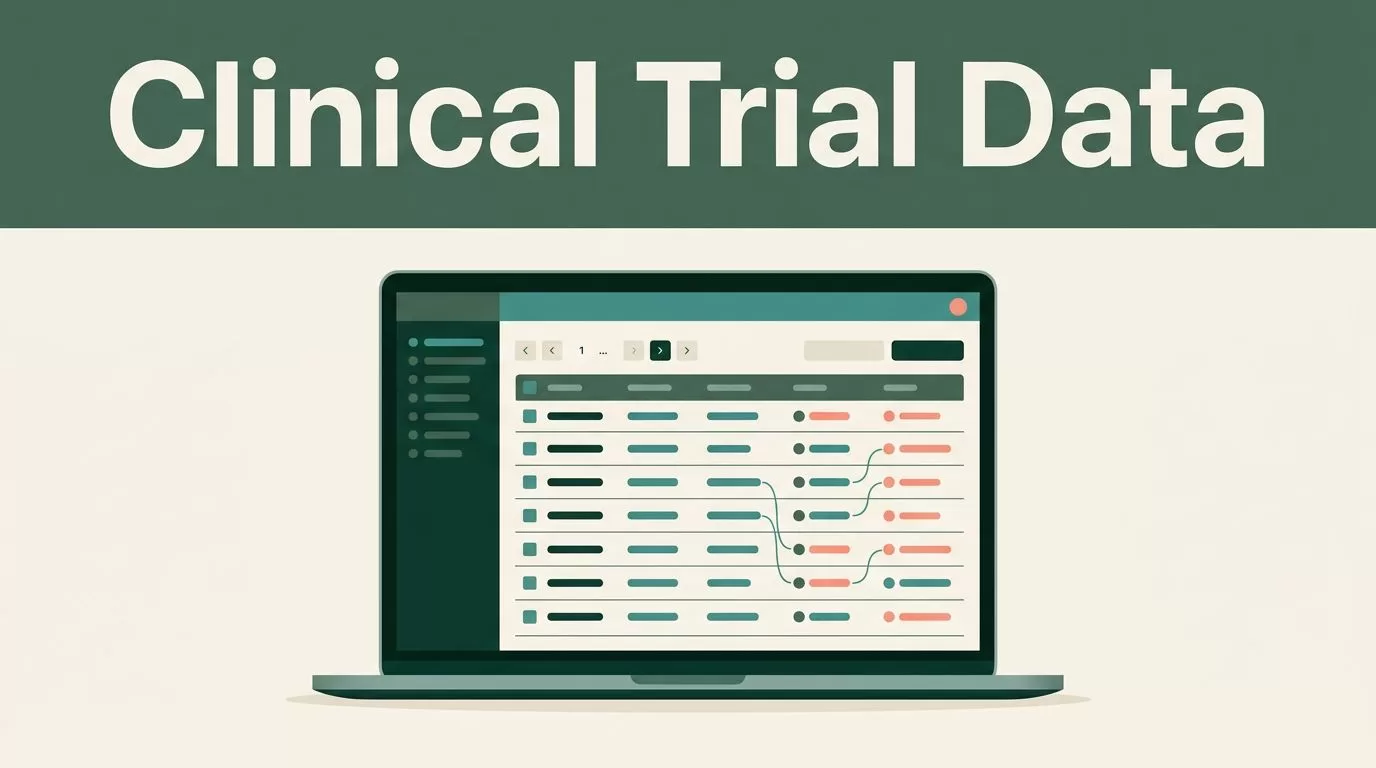
Manual research workflows slow down clinical teams. Searching public registries by hand and copying study updates into spreadsheets drains hours from your weekly schedule. You need a faster method to collect study records without writing brittle custom scripts from scratch.
Using Twin.so changes how you gather intelligence from public health registries. When you need to scrape clinical trials data efficiently, you require an automated approach that handles pagination, data structuring, and regular updates without manual intervention.
Why Modern Research Teams Need Automated Trial Extraction
Clinical research moves fast, and manual monitoring cannot keep pace with daily registry changes. New trial registrations, protocol amendments, and status updates occur constantly across global repositories. Missing a single protocol shift can delay competitor analysis or skew a recruitment feasibility study.
Relying on manual web browsing creates severe data gaps across your organization. Analysts spend hours clicking through registry pages instead of evaluating study endpoints or analyzing patient cohorts. Automating your collection process eliminates human error and guarantees complete coverage of target therapeutic areas.
Developers and data analysts often attempt to build custom scrapers using Python scripts. While effective initially, public registries frequently update their interface layouts and query structures. Custom scripts break constantly under minor HTML updates, forcing your engineering team into endless maintenance loops.
To build reliable data feeds, you must integrate with structured application endpoints. Reviewing the official ClinicalTrials.gov API documentation gives you a clear baseline of how registry fields map to structured JSON formats. Connecting Twin.so to these structured sources removes the fragility of web scraping while preserving data integrity.
Setting Up Your Data Pipeline on Twin.so
Getting started with automated data collection requires a clear operational sequence. You don’t need a massive engineering department to build a functional monitoring pipeline. Twin.so provides the infrastructure to ingest registry records directly into your workspace.
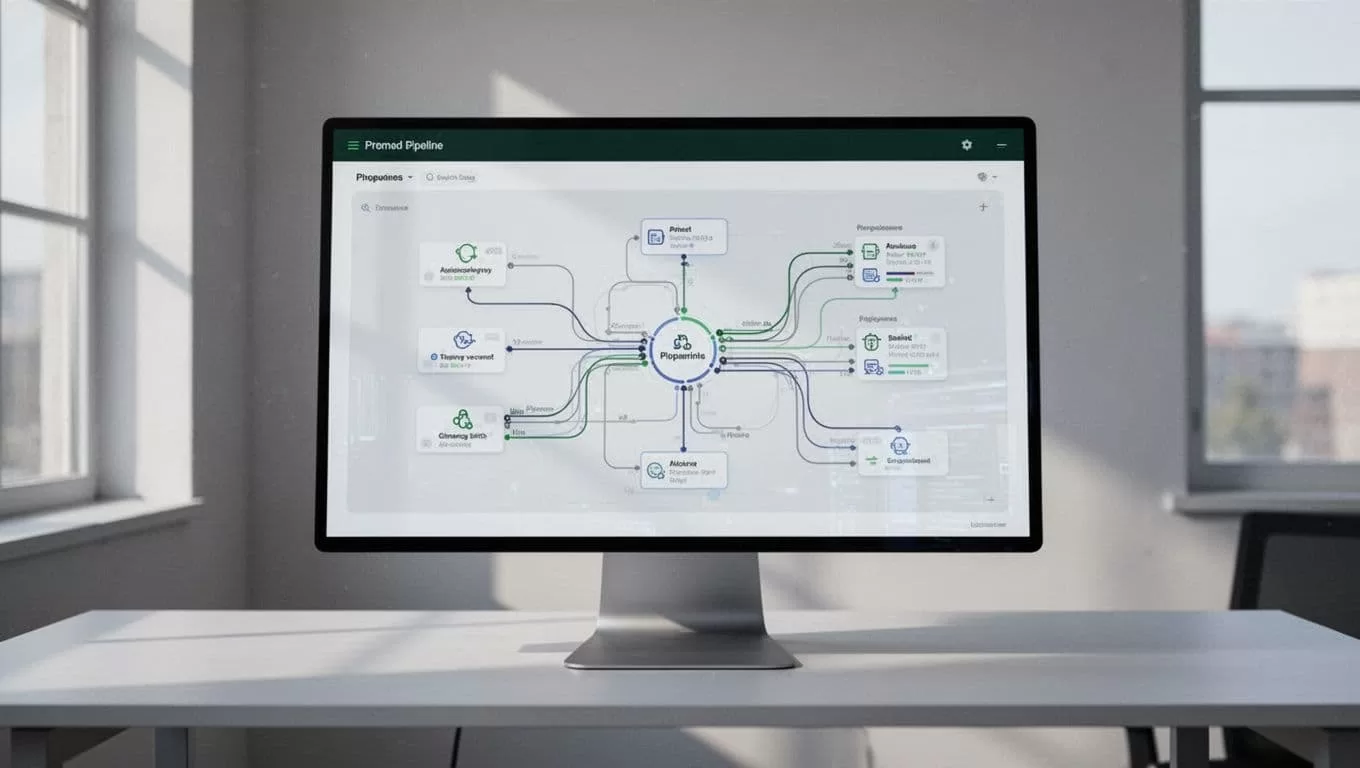
Configuring Endpoints to Scrape Clinical Trials Data
You configure your data pipeline by defining exact query parameters for your target search terms. Start by identifying the specific medical conditions, intervention types, or sponsor organizations you want to monitor. Input these parameters directly into your Twin.so connector workspace.
The platform handles pagination and request throttling automatically behind the scenes. For a deeper technical perspective on registry versioning, examine the ClinicalTrials.gov API Version 2.0 Overview to understand how endpoint queries return structured objects. You map these incoming fields to custom database schemas inside your organization without writing manual database injection scripts.
Set your collection frequency based on project urgency. Active competitive intelligence feeds benefit from daily syncs, while broad landscape analyses run effectively on weekly schedules. Restricting unnecessary API calls protects your system resources and prevents rate-limiting issues during large data pulls.
Practical Workflows for Tracking and Monitoring Trials
Automated data collection serves little purpose if you cannot extract actionable insights from the raw output. Clinical research teams need specific workflows that isolate relevant details from thousands of daily registry entries. You can configure your workspace to handle four primary operational use cases.
Tracking new trial registrations gives your team first-mover advantage. You set condition filters for specific oncology or cardiology terms, and the system flags newly posted NCT identifiers immediately. This ensures your business development group sees emerging investigator initiatives before competitors notice them.
Extracting eligibility criteria helps site selection teams evaluate patient feasibility. Instead of reading entire protocol documents, your pipeline parses inclusion and exclusion parameters into structured tables. You can review age limits, gender requirements, and biomarker restrictions instantly without manual transcription errors.
Comparing sponsors across therapeutic categories reveals market share and pipeline focus. You aggregate lead sponsor names, collaborator institutions, and funder types into unified reports. This visibility clarifies which pharmaceutical companies are scaling trials in specific geographic corridors.
Monitoring status changes prevents costly operational blind spots. Trials transition frequently from recruiting to active, suspended, or completed states. Automated alerts notify your operations managers the moment a target study updates its recruitment timeline, allowing you to adjust resource allocation accordingly. Python developers can also review python-specific data ingestion methods via Harnessing ClinicalTrials.gov API Guides when building secondary analytics layers.
When you configure these monitoring routines, you learn how easy it is to scrape clinical trials data for ongoing competitive intelligence programs.
Ensuring Data Validation, Provenance, and Compliance
Collecting clinical data at scale demands rigorous internal standards. Automated systems can easily ingest corrupted records or incomplete JSON responses if error handling is weak. You must establish strict data validation rules before storing records in your primary enterprise database.
Provenance tracking ensures every data point links back to its official registry source and timestamp. When an executive questions a recruitment metric, your analysts must trace the record back to its exact posting date. Twin.so maintains immutable audit trails for every ingestion event, satisfying internal compliance requirements easily.
Compliance with source terms and regulatory frameworks is non-negotiable. Public registries enforce specific rate limits and usage guidelines to prevent server degradation. Respecting these operational boundaries keeps your IP addresses off restriction lists and guarantees uninterrupted data flows.
Before deploying automated extraction routines, review the Official API Migration Details to ensure your query syntax aligns with current registry standards. Adhering to official endpoint specifications prevents unexpected downtime when government databases update their backend architecture. Responsible automation protects both your data pipelines and the broader research ecosystem.
Conclusion
Manual data collection drains valuable hours from clinical research teams and introduces avoidable errors. Deploying Twin.so to automate your study monitoring workflows transforms raw registry updates into structured, actionable intelligence. You eliminate brittle custom scripts, maintain strict data provenance, and track trial status shifts in real time. Set up your first automated collection pipeline today, establish clean validation rules, and keep your organization ahead of emerging clinical developments.
