I remember the day my podcast downloads spiked past 10,000. Transistor.fm handled it fine at first. Costs piled up fast, though. Bandwidth fees ate into profits. I wanted full control over my RSS feed and data. That’s when I explored self-hosted podcast hosting. You keep ownership without monthly bills tied to listens. This setup fits podcasters who value flexibility. Let’s walk through how I weighed options and made the switch.
The Appeal of Self-Hosted Podcast Hosting
Self-hosted podcast hosting gives you total command. I run everything on my server. No third-party limits my storage or tweaks my analytics. Transistor.fm charges per download after limits. Self-hosting scales with my hardware.
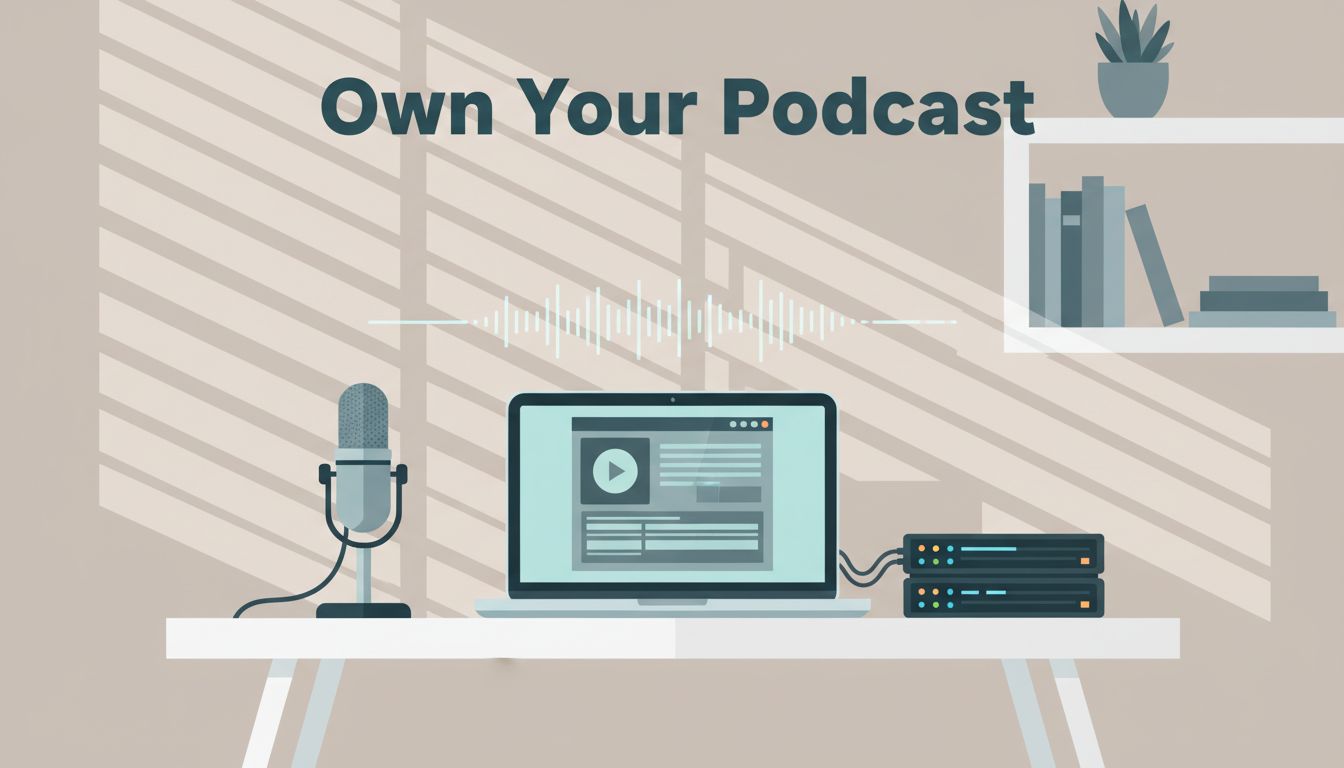
Picture a quiet home office. Sunlight filters through blinds. My laptop hums as I upload episodes straight to a local server. No waiting for cloud syncs.

Control stands out most. I own my RSS feed. Listeners subscribe anywhere, like Apple Podcasts or Spotify. Privacy boosts too. Private feeds lock content for teams or paid members. Costs drop over time. Initial server setup runs $50 monthly on a VPS. After that, only electricity and upgrades matter.
Flexibility draws me back. I add custom scripts for automation. One polls new episodes and pushes clips to social media. Transistor lacks that depth without add-ons. Yet, self-hosting demands upkeep. I monitor uptime daily. Still, the freedom outweighs hassles for hands-on creators.
Key Criteria for Self-Hosted Podcast Platforms
I judge platforms on real needs. RSS control tops the list. You must export or point feeds freely. Storage and bandwidth follow close. Unlimited local space beats cloud caps.
Analytics matter for growth. Basic downloads and locations help. Advanced tools track devices and drop-offs. Dynamic ad insertion fits monetization. Private podcasting secures team shares. Team features let collaborators edit. Website integration embeds players seamlessly.
Here’s how self-hosted stacks against managed like Transistor.fm:

| Feature | Self-Hosted (e.g., Castopod) | Transistor.fm |
|---|---|---|
| RSS Control | Full ownership, editable | Exportable, but hosted |
| Storage/Bandwidth | Server-dependent, unlimited | Tiered, download-based |
| Analytics | Custom scripts or plugins | Built-in, IAB-certified |
| Private Feeds | Yes, via passwords | Yes, secure links |
| Team Tools | Plugin-based | Native invites |
| Ad Insertion | Manual or scripts | Integrations |
Self-hosted wins on cost for high traffic. However, managed services shine in polished dashboards. I prioritize RSS and privacy. Check Castopod’s features for fediverse integration. It turns podcasts social without extra platforms.
Top Self-Hosted Alternatives I Tested
Open-source options exploded by 2026. Castopod leads for me. It handles multiple shows, generates RSS, and supports monetization via tips. I deploy it via Docker on a $20 VPS. Audience interacts directly through ActivityPub.
Skald offers simplicity. One binary deploys fast. Plan, record, publish all locally. Perfect for solo creators avoiding bloat. Pods-Blitz adds transcripts and premium episodes. It runs lightweight on any Linux box.
HarborFM mimics Anchor but self-hosted. Record guests via WebRTC, edit segments, export RSS. I tested it for quick workflows.
| Platform | Ease of Setup | Standout Feature | Best For |
|---|---|---|---|
| Castopod | Docker quick | Fediverse sharing | Social podcasters |
| Skald | Single binary | Full production cycle | Indie beginners |
| Pods-Blitz | Linux native | Premium feeds | Monetized shows |
Transistor suits teams with its invites and YouTube auto-posts. Self-hosted needs plugins for that. I automate clips using Transistor Opus integration scripts. Pair with tools like these for hybrid power.
Tradeoffs of Self-Hosted vs. Managed Hosting
Self-hosting isn’t perfect. Uptime relies on you. I use Cloudflare for CDN to match Transistor’s speed. Security patches fall on my shoulders. One overlooked update invites risks.
Analytics lag without custom work. Transistor provides polished charts out-of-box. Dynamic ads require scripts. Support? Forums only, unlike Transistor’s email help.
Yet, for businesses, ownership pays off. No vendor locks data. Costs stabilize. Beginners might stick with Transistor’s $19 plan. I switched after 50k downloads. Savings hit $200 yearly.
Ease of Migration to Self-Hosted Hosting
Switching feels daunting at first. I exported RSS from Transistor easily. Point it to new server URLs. Listeners follow without notice.
Tools simplify file moves. Scripts download episodes. Update feed in minutes.

Test on a subdomain first. Verify plays everywhere. Downtime stays under an hour. Castopod importers handle old feeds smoothly.
Conclusion
Self-hosted podcast hosting transformed my setup. Full control and low costs outweigh maintenance for committed creators. Transistor works for quick starts or teams needing polish. Weigh your traffic and skills. If ownership calls, start with Castopod on a VPS. Your podcast thrives on your terms.