How to Send Money to Ivory Coast with Remitly
The cheapest transfer isn’t always the best transfer. If you search for “send money Ivory Coast”, you need to compare the amount your recipient gets, the delivery method, the exchange rate, and the total cost. Remitly give...

The cheapest transfer isn’t always the best transfer. If you search for “send money Ivory Coast”, you need to compare the amount your recipient gets, the delivery method, the exchange rate, and the total cost.
Remitly gives you these details before you confirm a transaction. That makes it useful for sending money to family, friends, or business contacts in Côte d’Ivoire. The correct choice still depends on your sending country, funding method, recipient access, and delivery deadline.
The “send money Ivory Coast” workflow in Remitly
Remitly supports transfers to Côte d’Ivoire through cash pickup, bank deposit, and mobile wallet delivery. The options shown in your account can change based on your sending country and the recipient’s location.
Start with the Remitly Côte d’Ivoire transfer page for US senders. Use the website or mobile app to generate a live quote for your exact transaction. Don’t rely on a rate or fee from an older article.
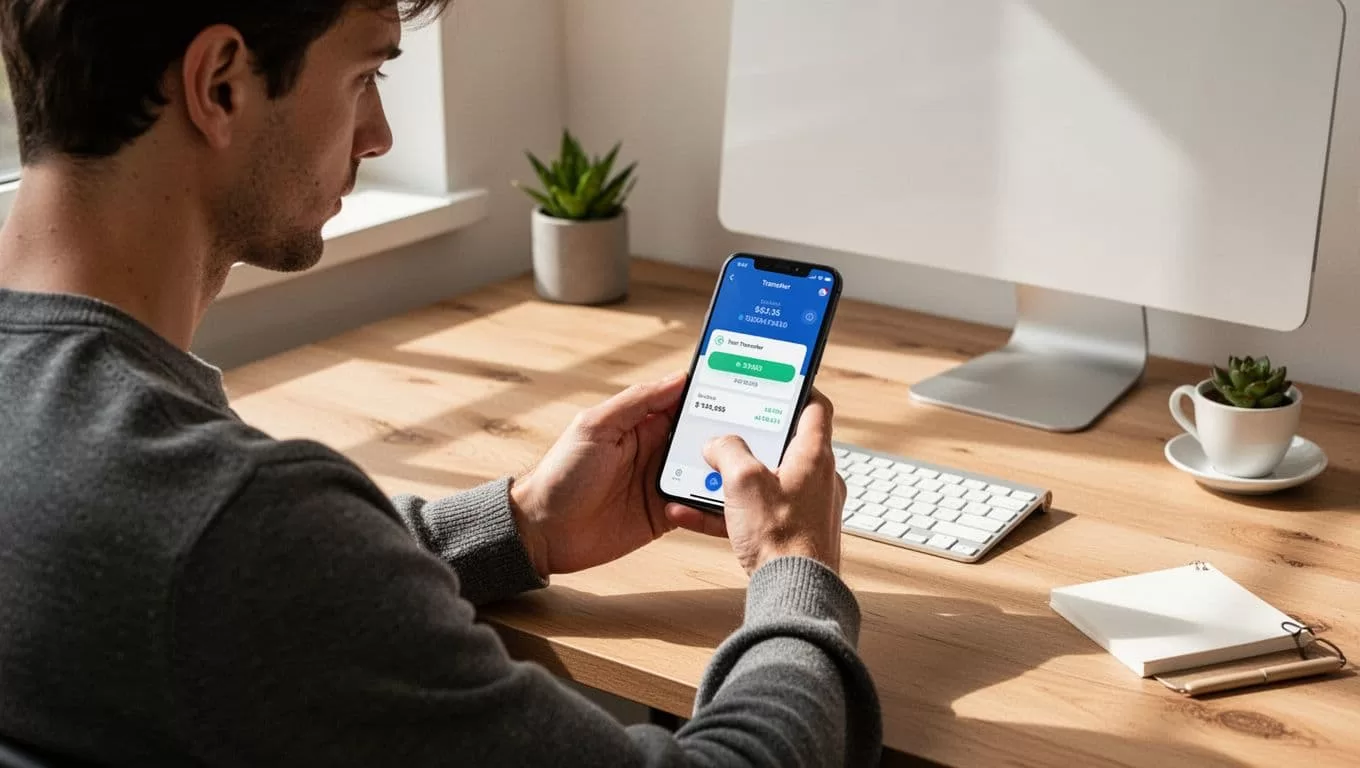
Follow this process:
- Create a Remitly account and complete any identity verification request. Remitly may ask for government-issued identification and additional information before allowing a transfer.
- Select Côte d’Ivoire as the destination country. Enter the amount you want to send or the amount the recipient should receive in West African CFA francs, shown as XOF.
- Choose the payout method. Review the fee, exchange rate, amount charged to you, recipient amount, and estimated delivery time.
- Enter the recipient’s information exactly as requested. Check the legal name, phone number, bank details, or wallet information before paying.
- Confirm the transfer and save the reference number. Use the transaction status view if you need to monitor delivery.
The quote changes when you switch the payment method or payout option. A bank-funded transfer may show a different total from a debit-card-funded transfer. Always review the final quote after selecting every option.
Choose the right payout method
The recipient’s access should determine the delivery method. A cash pickup may be practical for someone without a bank account. A mobile wallet may be better for someone who already receives payments through a supported wallet. A bank deposit fits recipients who want the funds credited directly to their account.
| Delivery method | Best fit | Details to verify |
|---|---|---|
| Cash pickup | Recipients who need physical cash | Legal name, identification, reference number, and available pickup location |
| Bank deposit | Recipients with a supported bank account | Bank name, account details, legal name, and account number |
| Mobile wallet | Recipients who use a supported wallet | Wallet provider, registered phone number, and account eligibility |
Cash pickup reduces the need for a bank account. The recipient still needs to visit an eligible partner location and meet the provider’s identification requirements. Pickup availability can vary by city, provider, and transfer status.
Bank deposits remove the pickup step, but incorrect information can delay the transaction. Use the recipient’s name as it appears on the bank record. Don’t shorten a name or enter a nickname.
Mobile wallet delivery can be convenient for routine family support. Remitly’s Orange Money transfer instructions for Côte d’Ivoire show the basic process for eligible US senders. The recipient must have a supported wallet account, and the phone number must match the account information Remitly requests.
Some Remitly routes may display additional methods, such as home delivery or debit card deposit. These choices aren’t available for every sender or recipient. Use the options displayed in your own quote rather than assuming another country’s menu applies.
Compare the real cost, not only the transfer fee
A low transfer fee doesn’t automatically produce the highest payout. The provider can apply a different exchange rate to the currency conversion. The recipient may receive less even when the visible fee looks small.
Your comparison should include four figures:
- The total amount charged to your payment method.
- The exchange rate used for your sending currency and XOF.
- The amount the recipient receives.
- The estimated delivery time for the selected method.
Payment costs can also affect the total. Credit-card-funded transfers may have additional charges from the card issuer or provider. Your bank can treat the payment as a cash advance, which creates a separate cost outside the Remitly quote.
Promotional pricing requires extra attention. A new-customer rate or waived fee may apply only to an initial transaction. It shouldn’t be used to estimate the cost of every future transfer.

Use the same sending amount when comparing methods. Then record the results in a simple table or note:
- Sending amount in your currency.
- Payout method selected.
- Total amount charged.
- Exchange rate shown.
- XOF amount received.
- Estimated delivery time.
- Payment method used.
- Any displayed promotion or limitation.
The most important number is usually the recipient amount. The fastest transfer may cost more. The cheapest option may take longer or require a bank account. Decide whether the added speed solves a real need before paying extra.
If you search “send money Ivory Coast” to compare providers, use the same process for each quote. Compare bank deposit with bank deposit, cash pickup with cash pickup, and the same sending amount. Otherwise, you may compare different services under completely different conditions.
Check speed, recipient details, and transfer status
Remitly displays an estimated delivery time after you select the payment and payout methods. Treat this as an estimate, not a guarantee. Delivery can depend on payment confirmation, identity checks, partner operating hours, local banking systems, and recipient information.
A transfer that appears instant after payment may still require additional review. If Remitly requests documents or clarification, respond through the official app or website. Don’t send sensitive information through an unknown email address, social media account, or phone number.
Recipient errors are one of the easiest ways to create a delay. Before confirming, check:
- The recipient’s full legal name.
- The correct mobile number.
- The bank name and account number, if using a deposit.
- The wallet provider and registered wallet number.
- The recipient’s city and pickup details, if using cash collection.
A correct phone number doesn’t fix an incorrect legal name. Match the recipient details to the bank, wallet, or identification record used at payout.
Share the transfer reference only with the intended recipient. Remitly support may use it to locate the transaction, but the reference shouldn’t be posted publicly. Protect your login details and one-time verification codes.
If the estimated time passes, check the transaction status first. Ask the recipient to review their bank or wallet history and confirm whether a pickup notification arrived. Contact Remitly support before creating a second transfer. Duplicate payments can create a separate problem while the first transaction is still being reviewed.
When Remitly is a practical choice
Remitly is a strong starting point when your recipient needs a choice between cash pickup, bank deposit, or mobile wallet delivery. The app puts the key transaction details in one quote. You can change the payout method and check how the recipient amount changes before confirming.
It also fits recurring family support. You can keep recipient details available in your account, then review each new quote when exchange rates, fees, or delivery conditions change. Don’t assume last month’s price will apply to this month’s transfer.
Your sending country matters. The Remitly Côte d’Ivoire page for Canadian senders lists route options for Canada, but those details shouldn’t be treated as a universal menu. A sender in the United States, Canada, or another country may see different payment methods, fees, limits, and verification requirements.
Compare another provider when the exchange rate produces a better payout, the recipient needs an unavailable delivery method, or your transfer amount exceeds the displayed limits. A bank transfer may fit a regular large payment. Another remittance service may offer a more convenient pickup network in the recipient’s city.
The decision should stay practical. Pick the option that delivers the required XOF amount through a method the recipient can use, at a cost you have checked.
Conclusion
The best way to send money to Ivory Coast depends on the recipient’s access and your transfer priorities. Remitly lets you compare cash pickup, bank deposit, and mobile wallet options before payment, but the live quote controls the actual fee, exchange rate, payout, and delivery estimate.
Check the total charged instead of focusing only on the visible fee. Confirm every recipient detail. Then choose the method that gives your recipient the right amount through the most convenient available channel.
