Send Money Nepal: Remitly Bank Deposit Guide
People who search for “send money Nepal” usually want one result: a safe transfer that reaches a family member’s bank account with a clear cost and delivery estimate. Remitly supports bank deposits to Nepal, along with cas...
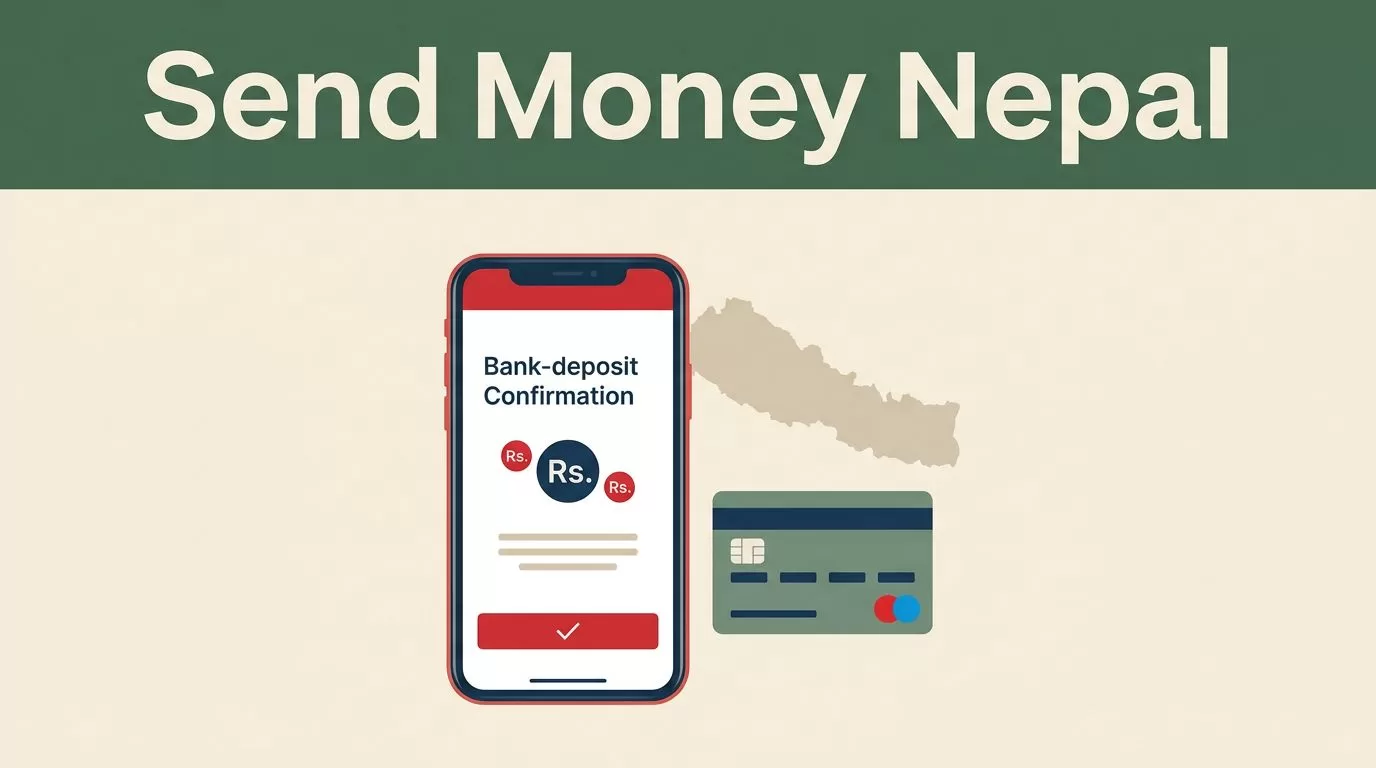
People who search for “send money Nepal” usually want one result: a safe transfer that reaches a family member’s bank account with a clear cost and delivery estimate. Remitly supports bank deposits to Nepal, along with cash pickup and mobile wallet delivery in some cases.
The exact options depend on your sending country, payment method, recipient bank, verification status, and the live quote shown before payment. This guide covers the full process, current timing categories, account details, fees, and security checks.
Is Remitly a Good Option for Nepal Bank Deposits?
Remitly lets eligible customers send money to supported banks and financial providers in Nepal. The recipient receives Nepalese rupees directly in a local account, so they don’t need to travel to a cash pickup location.
You can review the available delivery methods and destination options on Remitly’s Nepal transfer page. The US version lists bank deposit, cash pickup, and mobile wallet options through Remitly’s partner network.
Available providers can include NIC Asia Bank, Global IME Bank, Bank of Kathmandu, Nabil Bank, Nepal Investment Bank, Siddhartha Bank, and Nepal Bank. The list is not identical for every sending country or transaction. Select Nepal inside your Remitly account to see the banks currently available to you.
Bank deposit is usually the better fit when your recipient already has an active account and needs the money for regular expenses. It removes the need to carry cash and gives both sides a digital transfer record.
Cash pickup may be more useful when the recipient doesn’t have a supported bank account. A mobile wallet can work for recipients who already use a compatible service such as eSewa. Compare the available methods instead of assuming one option will always be fastest or cheapest.
How to Send Money Nepal Transfers Through Remitly
Remitly’s workflow is simple, but every recipient field needs to be accurate. A wrong account number or mismatched legal name can delay the deposit.
Follow these steps:
- Open the official Remitly app or website. Download the mobile app from your device’s official app store. If you use a browser, type the Remitly address yourself or use a trusted bookmark.
- Create an account or sign in. Enter your email address and create a strong, unique password. Remitly may ask you to verify your identity with a government-issued ID, especially for a first transfer or when a transaction requires additional review.
- Choose Nepal as the destination. Enter the amount you want to send or the amount your recipient should receive in Nepalese rupees. The quote will update based on the transaction details.
- Select bank deposit. Choose the recipient’s bank from the available list. If the bank doesn’t appear, don’t select a different bank as a substitute. Check the account details or use another delivery method.
- Enter the recipient’s information. Provide the recipient’s legal name, bank name, account type, account number, and contact details when requested. Use the name shown on the recipient’s bank records, not a nickname.
- Choose your payment method and review the quote. Depending on your country, Remitly may accept a bank account, debit card, credit card, or other supported payment method. Check the fee, exchange rate, receiving amount, delivery estimate, and any verification request before you confirm.
The first transfer may take longer if Remitly needs to verify your identity, payment source, or recipient information. This is a normal compliance step for an international money transfer. Remitly’s first-time transfer guide explains why account and identity details may be required.
Save the confirmation number after payment. Give it to the recipient only when needed for tracking. Don’t post it publicly or share it with someone who claims to represent Remitly through an unsolicited message.
Remitly Fees, Exchange Rates, and Delivery Times
The total cost has two parts. Remitly may charge a transfer fee, and the exchange rate determines how many Nepalese rupees the recipient receives. The displayed rate can include a provider markup, so compare the final receiving amount rather than looking at the fee alone.
A transfer with a low fee may still deliver less if its exchange rate is weaker. The useful figure is the complete quote:
- The amount charged to your payment method.
- The transfer fee.
- The exchange rate for your currency to NPR.
- The final amount deposited into the Nepalese bank account.
- The expected delivery window.
- Any sending limit or verification request.
Rates and fees change based on the sending country, amount, payment source, delivery method, and current promotions. Remitly may show a promotional rate for a first transfer, but later transfers can use different pricing. Always review the quote immediately before payment.
For US customers, Remitly lists Express transfers that can arrive in minutes when funded with a debit or credit card. Economy transfers generally take around three to five business days when funded through a bank account. These are published categories, not guarantees.
The actual delivery time can change because of bank operating hours, weekends, public holidays, payment processing, compliance checks, and incorrect recipient information. A transfer that reaches Remitly quickly may still wait for local bank processing in Nepal.
Don’t rely on an old exchange-rate screenshot or a third-party calculator. Use the live quote inside the app or on the Remitly guide for sending money to Nepal. That quote reflects your transaction details at the time you set it up.
Check Nepal Bank Account Details Before Sending
Recipient errors are one of the easiest ways to delay a bank deposit. Ask your recipient to copy their account information directly from a bank statement, official banking app, or branch document.
Confirm the following details before you start:
- The recipient’s full legal name matches the bank account.
- The bank name is selected correctly in Remitly.
- The account number has been checked digit by digit.
- The account type is correct if Remitly asks for it.
- The recipient’s phone number and address are current.
- The account is active and able to receive incoming remittances.
Don’t rely on memory for an account number. Don’t change the spelling of a name to make it shorter. A middle name, surname order, or missing character can create a mismatch during review.
Ask the recipient to confirm the information one more time before you press send. A second review takes less than a minute and can prevent a support request later.
If you’re sending to a Nepal Bank account, select the exact Nepal Bank option shown in Remitly. Don’t choose another institution because its name looks similar. Bank selection is part of the payout instruction.
Protect Your Remitly Transfer From Scams
Remitly transfers are financial transactions. Treat your login, payment details, and verification codes as sensitive account information.
Use these controls every time:
- Start the transfer through the official Remitly app or a manually entered official website address.
- Never share your password, one-time verification code, card PIN, or full payment details.
- Confirm unexpected requests through Remitly’s official support channels.
- Don’t send money to an unknown person who promises a job, prize, loan, immigration service, or emergency refund.
- Verify the recipient’s identity through a separate phone call before sending a large amount.
- Ignore anyone who asks you to send more money to release, insure, or unlock a transfer.
- Keep your transfer receipt and confirmation number until the recipient confirms the deposit.
Scammers often create urgency. They may claim an account will close or a payment will be cancelled unless you act immediately. Stop the transfer when the request feels unusual. Check the details with your family member using a trusted contact method.
Don’t let someone else control your screen while you create the transfer. Remote-access requests can expose your account, payment information, and identity documents.
What to Do if the Deposit Is Delayed
Start by checking the transfer status in the Remitly app. Compare the status with the delivery estimate shown in your confirmation. A bank-funded Economy transfer can take several business days, while a card-funded Express transfer may arrive sooner when no review is required.
Ask the recipient to check their bank account directly. Bank notifications can arrive later than the deposit, and a text message alone isn’t proof that funds haven’t arrived.
If the estimated window has passed, contact Remitly through its official support process. Keep the confirmation number, sending amount, recipient name, destination bank, and payment date ready. Don’t create a second transfer until you know what happened to the first one.
Common causes of delay include an incorrect account number, a name mismatch, bank holidays, an unavailable payout method, payment verification, or a request for additional identity information. Correcting the original transfer is safer than sending a replacement while the first transaction remains unresolved.
Conclusion
Remitly gives people abroad a practical way to send money to supported bank accounts in Nepal. The main controls are simple: select the correct bank, enter the recipient’s legal details, review the live quote, and choose a delivery speed that fits the situation.
Delivery times, exchange rates, fees, and available providers can change. Treat the in-app quote as the current source of truth, and verify every account field before payment. A careful one-minute review protects the transfer better than trying to fix an avoidable bank-detail error later.
