Student Retention in Skool: Tactics That Keep Members Learning
Most members don’t quit with a dramatic exit. They miss one lesson, ignore one notification, and slowly drift out the side door. I’ve found that student retention in Skool rises when I treat the member journey like a guided path...
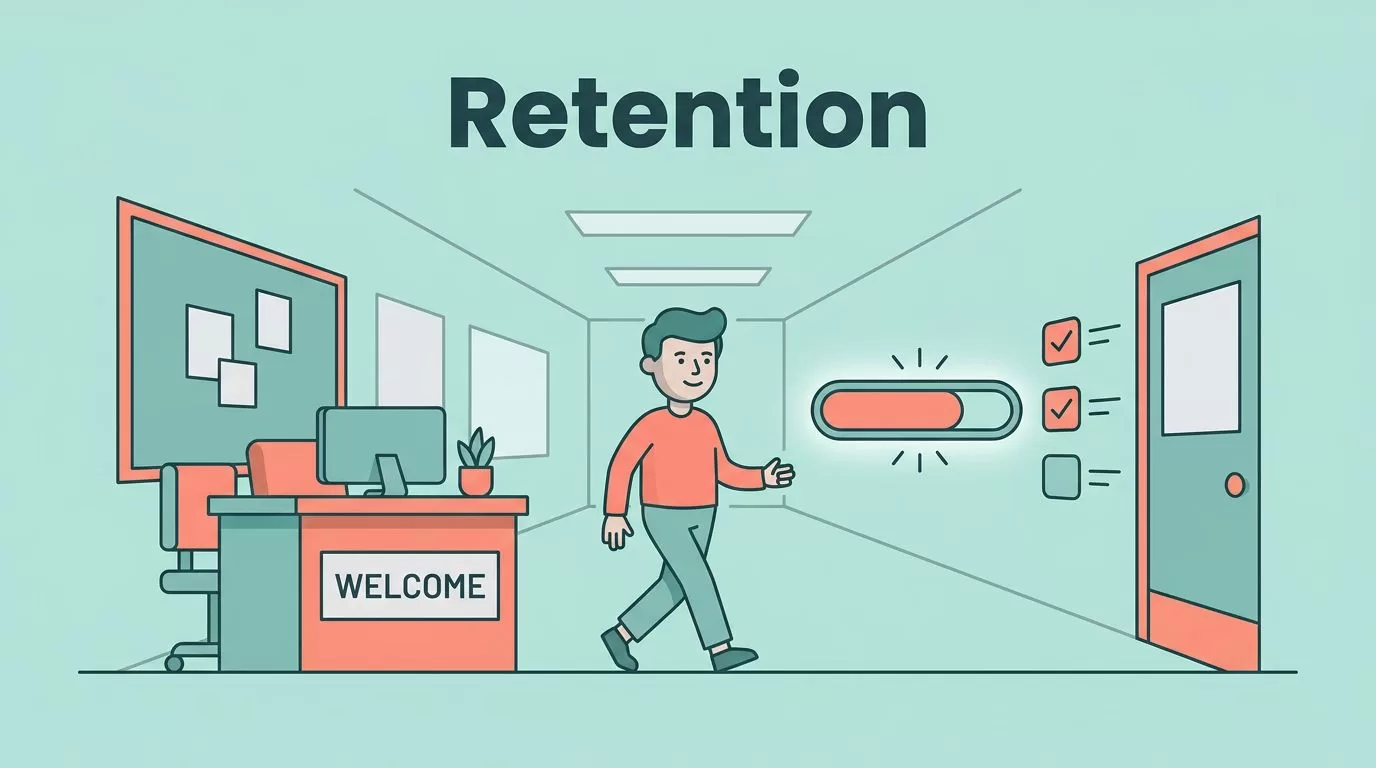
Most members don’t quit with a dramatic exit. They miss one lesson, ignore one notification, and slowly drift out the side door.
I’ve found that student retention in Skool rises when I treat the member journey like a guided path, not a content dump. If you’re looking for student retention Skool tactics that work now, focus on early action, steady habits, visible progress, and a clear next step.
Let’s start where retention is won first, the opening week.
Start retention in the first 48 hours
When I set up a Skool group, I plan for hesitation. A new member lands on Classroom, Community, and Calendar, then decides fast whether the space feels alive. So I give them one simple win on day one.

My welcome flow is short. I pin a post that asks each member to share one goal, one deadline, and one reason they joined. Then I tag them in a “Start Here” lesson inside Classroom. As of March 2026, Skool supports native video hosting, so I upload a two-minute walkthrough there instead of sending people elsewhere. Fewer jumps mean fewer exits.
I also schedule a live orientation in the events calendar within the first three days. The built-in reminders and timezone handling help busy members show up. If I run a cohort, I add one tiny assignment before that call, such as posting a weekly target or finishing lesson one.
For a coaching program, my first task is often a short “why now” post. For a course business, it’s a fast lesson that gets a result in 10 minutes. For a paid membership, it might be a profile post plus one comment on another member’s thread. Different offer, same rule: the first step must feel light, useful, and social.
One small detail matters a lot. I don’t ask for a full bio. That’s homework disguised as community. I ask for a one-line commitment, because short prompts get replies. Once someone has posted once, replied once, and opened one lesson, Skool’s notifications can keep the loop going on desktop and mobile.
The KPIs I watch here are week-one activation, welcome post replies, first-lesson engagement, and event attendance. If new members don’t post, view, or RSVP early, churn usually follows later.
Retention rarely breaks with a cancellation first. It breaks with silence.
For a useful take on why this loop matters, I like this guide to community-led growth on Skool.
Build habits with Skool’s social loops
Once members act once, I want the next action to feel automatic. Skool’s points, levels, and leaderboard help, but only when I reward useful behavior. I give attention to posts that show work, questions that move lessons forward, and replies that help peers.

My weekly rhythm is simple. Monday gets a prompt tied to the current lesson. Wednesday gets an accountability post, with members sharing what they finished and where they’re stuck. Friday gets a wins thread, where I celebrate progress by name. This keeps the feed familiar, so students know what to do when they log in.
I don’t post nonstop. Predictable rituals work better than frantic volume. If you want a practical take on points and leaderboards, this Skool gamification guide is useful. I also agree with this posting rhythm that doesn’t require daily content.
Because Skool’s mobile app sends push notifications, replies pull members back in during the workday. That matters more than most operators think. A fast reply can turn a cold member into an active one.
Once a month, I run a short community challenge. It might be five days of implementation posts, a peer-feedback sprint, or a lesson-completion race with a simple reward. The point isn’t hype. The point is shared momentum.
Live support lifts retention too. I schedule office hours, hot seats, or group reviews in the calendar, then follow up with a discussion thread after the call. That follow-up is where learning sticks. Members who miss live sessions can still comment on the replay and rejoin the group rhythm.
The KPI I check every week is active member rate. I count members who posted, commented, reacted, finished a lesson, or attended an event, then divide by paying members. I also watch community participation per prompt. If comments get thin, the ask is too vague or the lesson came before the relationship.
Turn completion into renewal instead of drift
Completion is where trust turns into revenue. A student who finishes is more likely to renew, refer, or buy the next offer. So I design the last third of a Skool journey as carefully as the first week.

I break the curriculum into visible milestones, then celebrate them in public. At 25 percent, 50 percent, 75 percent, and 100 percent, I tag the member in a post, ask what changed, and invite peers to react. Those milestone celebrations work like trail markers on a long hike. They remind people how far they’ve come.
Every two weeks, I run a progress check-in. The prompt is short: what’s done, what’s stuck, and what’s your next step by Friday? If someone goes quiet, I launch a re-engagement sequence with one personal message, one link to the next lesson, and one invite to the next office hour. No guilt, no lecture, just one small action.
This is the scorecard I keep close:
| KPI | What I measure in Skool | What it shows |
|---|---|---|
| Completion rate | Members who finish the core path | Course clarity and momentum |
| Lesson engagement | Views, comments, and completions by lesson | Where students stall |
| Event attendance | RSVPs, live joins, replay replies | Value of live support |
| Churn or drop-off points | Where activity falls between stages | Friction in the journey |
| Renewal or upgrade rate | Members who stay, tier up, or buy next | Strength of the offer ladder |
Skool’s newer pricing options help here. I can keep alumni in a lower-cost tier, sell a one-time advanced workshop, or invite top members into a premium tier with deeper support. If I run a freemium community, I use completion as the bridge from free to paid. Because the next offer lives in the same space, the handoff feels natural.
The quiet drift from the opening line usually starts long before someone cancels. I fix it by reducing friction, giving students a reason to return this week, and making progress easy to see.
Pick one stage and tighten it now, onboarding, habit-building, or completion. Retention grows when the next step feels obvious.
