How I Built a Transistor.fm Podcast Network for Multiple Shows
I remember juggling three podcasts on separate hosts. Each had its own dashboard, analytics scattered everywhere, and branding that felt disjointed. Listeners searched for my content but bounced between sites. Then I switched to a Transisto...
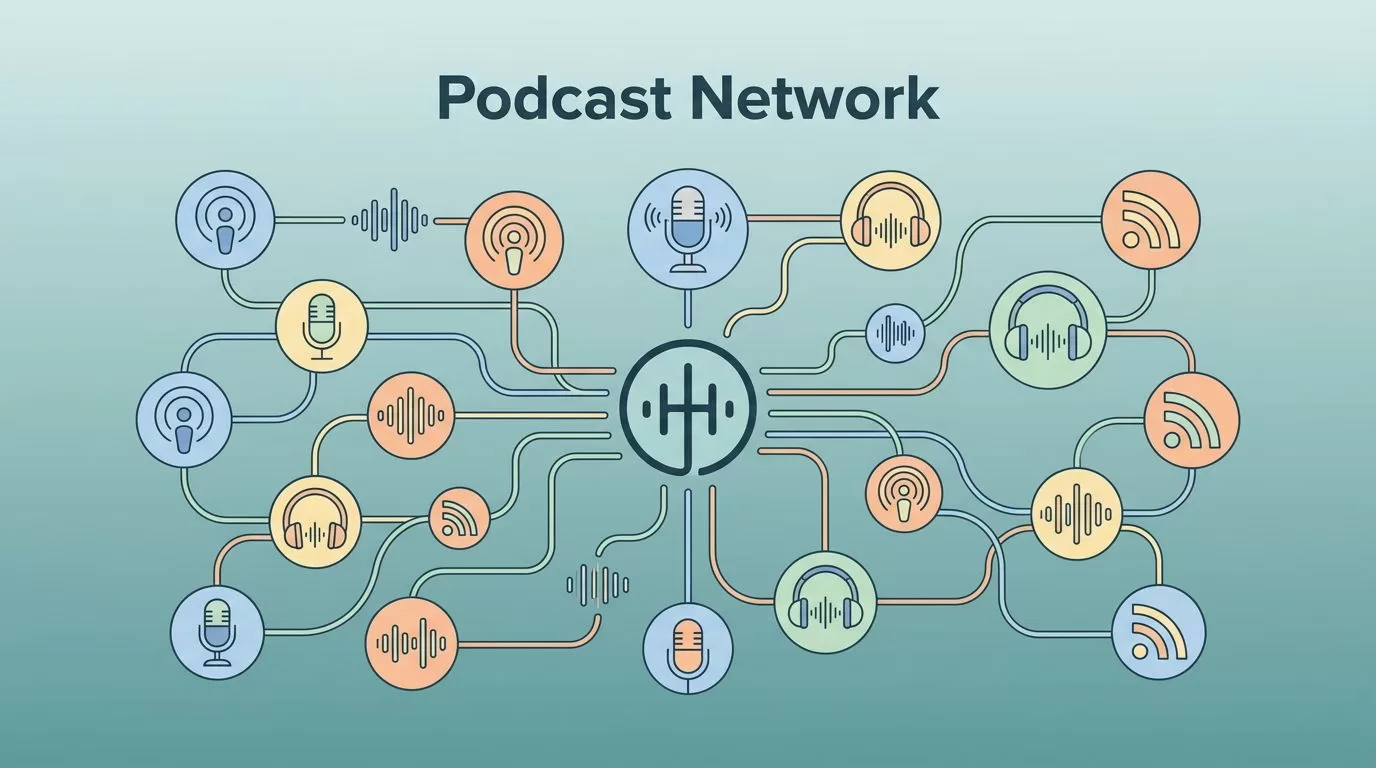
I remember juggling three podcasts on separate hosts. Each had its own dashboard, analytics scattered everywhere, and branding that felt disjointed. Listeners searched for my content but bounced between sites. Then I switched to a Transistor.fm podcast network. It pulled everything together under one roof. You get a unified site, shared tools, and real control. If you run multiple shows, this setup changes how you operate.
In this guide, I share exactly how I launched mine. You’ll see the steps, structure tips, and growth hacks that work today.
Why a Transistor.fm Podcast Network Beats Standalone Shows
Running podcasts independently means duplicate work. You upload episodes to each platform, track stats in silos, and build separate sites. A Transistor.fm network fixes that. All your shows live in one account. One login handles uploads, distribution, and insights.
I moved my true crime series, business tips show, and interview podcast into one network. Now listeners find everything on a single site. It lists latest episodes across shows, plus dedicated pages for each. No more lost traffic.

Centralized management saves hours. Team members access only their shows. Distribution hits Apple Podcasts, Spotify, and YouTube automatically from one spot. For details on hosting multiple shows affordably, check Transistor’s comparison of podcast hosts. Standalone setups cost more as shows grow; networks scale free.
Branding stays consistent too. Custom colors and themes tie shows together. Listeners recognize your network as a brand, not random feeds.
Step-by-Step: Launch Your Network
I set up my network in under 30 minutes. Start in your Transistor dashboard. Click “Network” from the top menu. It guides you through.
First, pick your shows. Select from existing podcasts or add new ones. I chose my top three; you can adjust later.
Next, set your web address. Use a free transistor.fm subdomain like yournetwork.transistor.fm, or connect a custom domain. I went custom for polish.
Then customize. Pick a theme, colors, and layout. Add pages for “About,” sponsorships, or contact. The site auto-builds a directory and episodes feed.
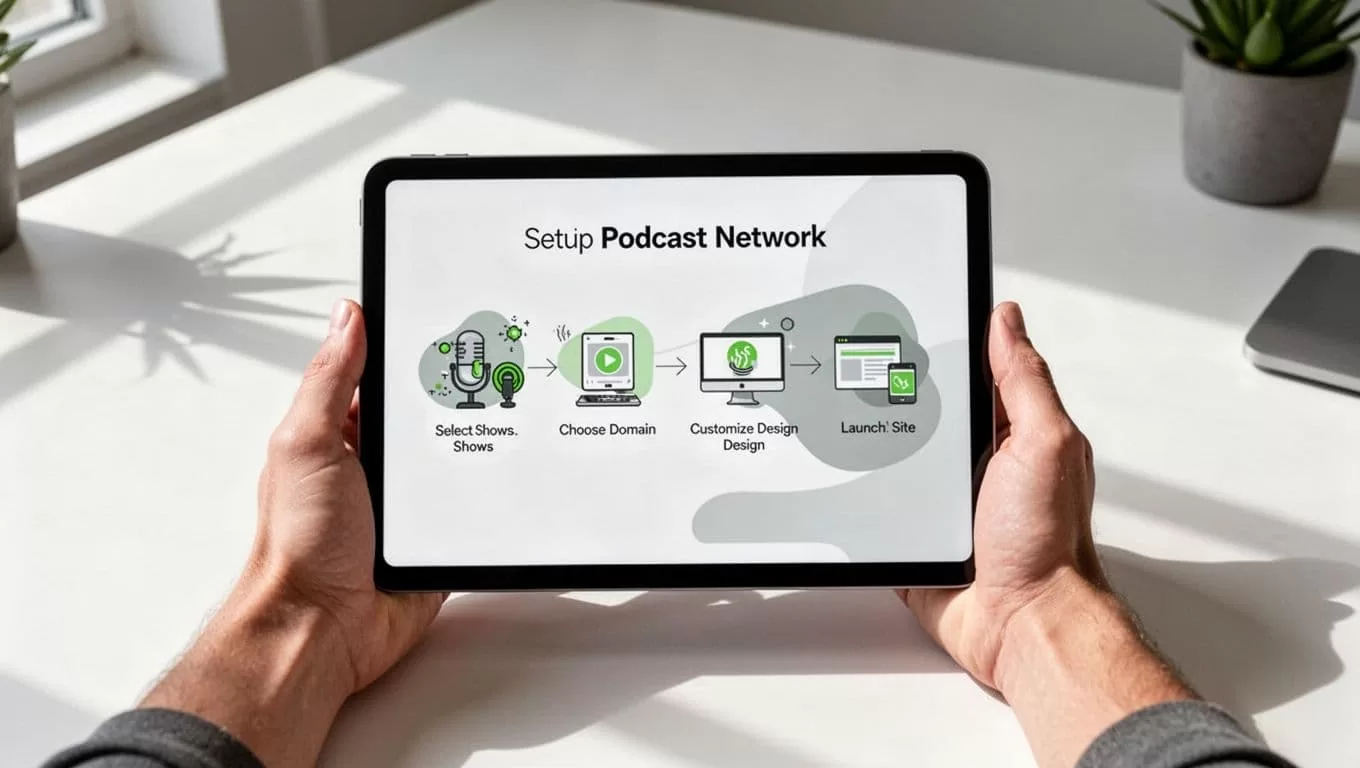
Launch and publish. Episodes push live across platforms. For the full help article on network sites, see Transistor’s setup guide. Test on mobile; it looks sharp.
Pro tip: Start small. Add two shows first, then expand.
Structure Your Network Like a Pro
Think of your network as a media hub. Group shows by theme. Mine splits into “Crime Files,” “Biz Breakdown,” and “Guest Spot.” The home page spotlights recent episodes. Each show gets its page with artwork, descriptions, and player.
Keep branding tight. Use the same logo palette across shows. Custom players match too. I added a network footer with social links.
For businesses, structure around niches. A marketing agency might run client tips, industry news, and case studies. Media brands bundle hosts under one banner.
Workflows smooth out. Upload once; it syndicates. Integrate with email tools like ConvertKit for subscriber lists. Private feeds work for members-only content.
I linked my setup to Transistor hosting for unlimited shows early on. It handled growth without hiccups.
Manage Teams Without the Chaos
Add unlimited collaborators per show. Hosts upload episodes; editors view stats. No one sees rival podcasts unless you allow it.
I gave my producer access to “Biz Breakdown” only. They handle audio, notes, and embeds. Permissions lock down sensitive data.
For agencies, assign client pods to teams. One login, zero overlap. This beats shared accounts on other hosts.
Analytics That Fuel Your Network’s Growth
Transistor tracks everything in one dashboard. See downloads, listener locations, and device breakdowns per show or network-wide.
I spotted “Crime Files” pulling U.S. East Coast traffic. That led to targeted promo. Growth charts show trends; episode ranks highlight winners.

Compare shows side-by-side. My interview pod lagged until I tweaked release times based on data. All plans include advanced stats.
Pricing That Fits Any Scale
Networks come free with every plan. No per-show fees.
| Plan | Price | Shows | Team Members | Key Perks |
|---|---|---|---|---|
| Starter | $19/month | Unlimited | Unlimited | Basic network site |
| Professional | $49/month | Unlimited | Unlimited | Custom domains, ads |
| Business | $99/month | Unlimited | Unlimited | White-label, priority support |
Pay yearly for discounts. See full pricing details. I started on Professional; it covers most needs.
Conclusion
A Transistor.fm podcast network turns scattered shows into a powerhouse brand. I gained unified analytics, easy teams, and a pro site that drives discovery. Listeners stay longer; growth follows.
Pick your plan, follow the steps, and launch. Your network awaits.
