Build a Travel Affiliate Website With Travelpayouts
Travel readers don’t need another vague post about “the best places to visit.” They need an answer, a plan, and a useful booking option when they are ready to act. A travel affiliate website works when it connects useful t...
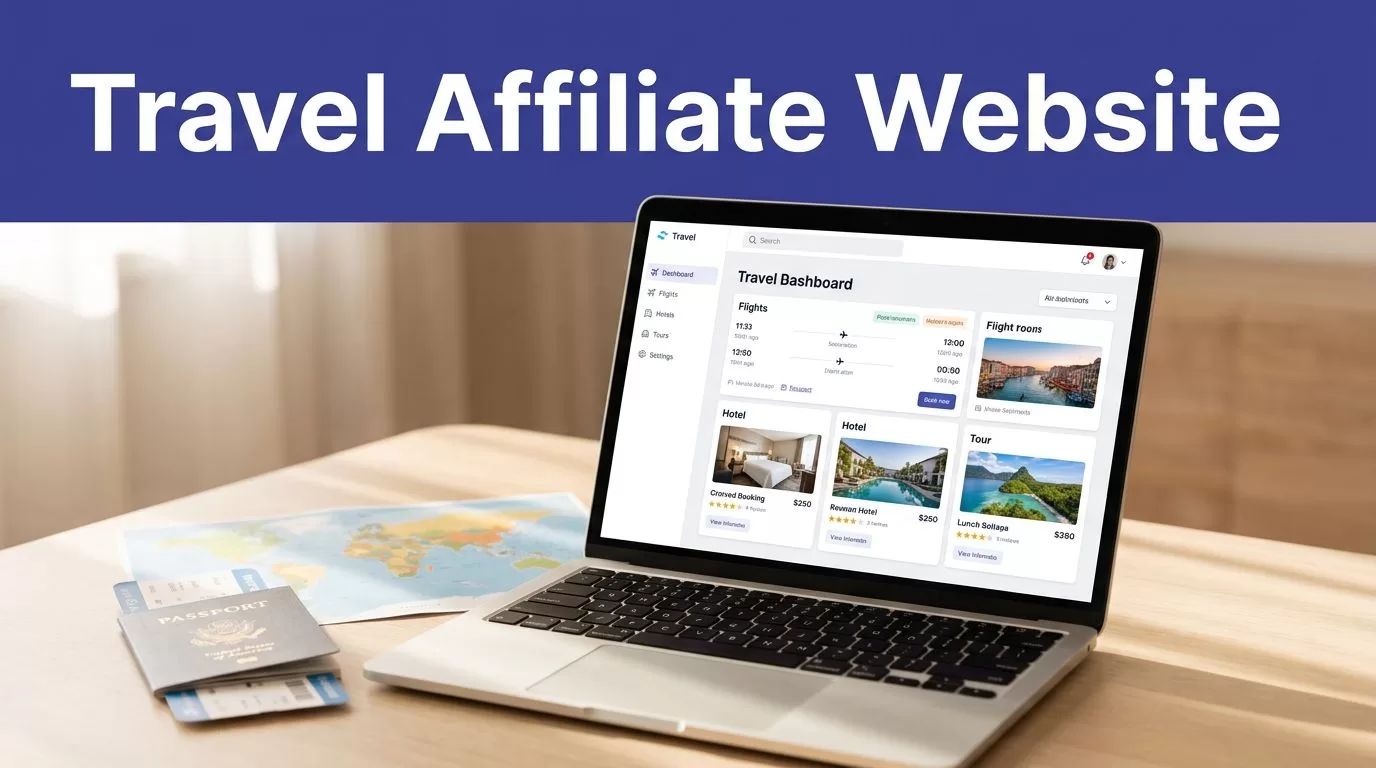
Travel readers don’t need another vague post about “the best places to visit.” They need an answer, a plan, and a useful booking option when they are ready to act.
A travel affiliate website works when it connects useful trip-planning content to relevant flights, hotels, cars, tours, or insurance offers. Travelpayouts gives you the tracking tools. Your site gives readers a reason to trust the click.
Build the site around a narrow travel problem first. Then add offers that fit each page.
BUILD A TRAVEL AFFILIATE WEBSITE WITH A FOCUSED NICHE
A broad travel blog is hard to grow and harder to monetize. You compete with large publishers before you have enough pages, links, or reader trust.
Start with one traveler type, destination group, or booking problem. This gives your content a clear structure and gives each booking tool a job.
Choose One Trip and Buyer Type
Pick a topic where people need to compare options before they book. Good beginner site models include city breaks, airport transfers, family travel, rail travel, digital-nomad stays, or road trips.
| Site model | Useful first pages | Natural booking offer |
|---|---|---|
| Rome weekend trips | Where to stay, airport routes, three-day plans | Flights and hotels |
| Family trips to Orlando | Hotel areas, park transport, packing guides | Hotels and car rentals |
| European rail guides | Route comparisons, station guides, luggage rules | Rail tickets and hotels |
| Portugal road trips | Driving routes, tolls, coastal stays | Rental cars and accommodation |
A Rome site can start with one hub page, “Plan a Rome Weekend.” Link it to pages about flights, neighborhoods, hotels near Termini, and airport transport. That is a working content system. A page about “beautiful places in Europe” is not.

Map the Questions Before You Publish
List the questions people ask at each stage of planning. Early readers ask where to go and when to visit. Later readers compare hotel areas, departure airports, rental cars, and tour dates.
Build one page for each clear question. Avoid publishing five pages that repeat the same answer with a new title.
Use this basic path:
- A destination guide brings in planning traffic.
- A route or neighborhood page handles comparison traffic.
- A booking-focused page gives the reader a relevant next step.
- Internal links move readers to the next decision.
Your site becomes easier to use when each page has one place in that path.
SET UP THE SITE STACK AND CORE PAGES
Use a setup you can update without a developer. WordPress is a practical choice for most beginners because it handles posts, categories, links, and content updates well.
Buy a domain that matches the niche. Use reliable hosting. Install an analytics platform and connect Google Search Console before publishing. You need traffic and search data from day one.
Build a Simple Page Structure
Create a home page, a start-here page, category hubs, destination articles, an about page, and a contact page. Your category pages should link to the strongest guides, not act as empty archives.
Use a clear navigation menu. A reader planning a Barcelona trip should find flights, hotel areas, airport transport, and itinerary content in seconds.
Keep the design plain. Fast pages, readable headings, compressed images, and visible booking links matter more than animated effects.

Photo by Pixabay
Add the Pages That Build Trust
Publish a privacy policy, cookie policy, affiliate disclosure, and terms page before you drive traffic. Add a real contact method. Readers and affiliate programs both need to see that the site is active and accountable.
Write an about page that explains your topic and your process. You don’t need to claim you have visited every hotel. State what you research, how often you update pages, and how readers can report an error.
If you use a white-label tool later, check that its footer links point to your own policy pages. Don’t leave default policy links in place.
JOIN TRAVELPAYOUTS AND SELECT PROGRAMS
Travelpayouts is a travel affiliate partnership platform that lets publishers connect with travel brands through one account. Its partner platform states that public websites, blogs, and social channels can apply without a sign-up fee.
Create your account, add your public website, and complete the required profile fields. Your Partner ID connects your approved tools and bookings to your account.
Select Programs That Match Existing Pages
Don’t join every available program. Start with offers that fit the content you can publish now.
A city-break site usually needs flight and hotel offers first. A road-trip site may need car rentals and accommodation. A trekking site may later add activities, insurance, or airport transfers.
Review each program page before you add links. Commission rules, eligible products, cookie periods, accepted traffic, and promotion methods can differ by brand.
Complete your payment details before you depend on affiliate income. Check the current payout methods, payment threshold, and account requirements in your dashboard. Those details can change.
Read the Traffic Rules Before Promotion
Don’t assume that a link is approved for every promotion method. Paid search, brand bidding, pop-ups, email traffic, redirects, and social ads may have separate rules.
Read the Travelpayouts affiliate network terms and each program’s current conditions. A program can remove access when traffic breaks its rules.
Start with search traffic, useful social posts, and an email list built through consent. Avoid shortcuts that create clicks but no real booking intent.
ADD LINKS, WIDGETS, AND SEARCH TOOLS
A booking link should continue the reader’s current task. It should not send them to a random home page because that was easier to copy.
Use standard links first. They are faster to place, simpler to test, and easier to match with a page’s purpose.

Use Deep Links for High-Intent Pages
A deep link sends the reader toward a relevant page or booking flow instead of a general landing page. On a guide about hotels near Madrid Barajas Airport, the hotel CTA should match that need.
Follow Travelpayouts’ instructions for creating affiliate links. Test every link in a private browser window after publishing.
The Travelpayouts Chrome extension can speed up link creation when you need a tracked link for an approved offer. It does not replace page-level checks.
Record the destination page, program, CTA text, and date added in a simple spreadsheet. That record makes broken-link checks much faster later.
Add Widgets Only Where They Help
Widgets work best on pages where readers are ready to compare dates, routes, or prices. A flight search widget can fit a detailed route guide. A hotel widget can fit a neighborhood guide.
Don’t add a widget above the first useful paragraph. Answer the reader’s question first. Then show the tool that helps them act.
Use APIs only when you have a real technical need. They add maintenance work and can create stale or incomplete price displays if you don’t monitor them. Standard links and widgets are enough for most new sites.
PUBLISH CONTENT THAT HELPS READERS BOOK
Travel affiliate content must earn the click before it asks for one. Readers can spot a thin list built around buttons.
Write pages that reduce a real planning problem. Name the location, traveler type, timing, constraints, and decision.
Start With Pages Close to a Booking Decision
High-intent pages often compare choices. They answer questions such as “Where should I stay near Lisbon’s main train stations?” or “Do I need a rental car in Madeira?”
Each page should include:
- A direct answer near the top, with the main trade-offs.
- Practical details such as transport, walking time, seasonal limits, and local restrictions.
- A short comparison of suitable options or areas.
- A booking CTA that matches the reader’s next move.
Avoid copying provider descriptions. Explain who each option suits and where it falls short. A family needs different advice than a solo traveler arriving after midnight.
Travelpayouts also publishes an affiliate marketing guide for beginners that can help you understand the basic model. Your site still needs original destination research and a useful point of view.
Use Supporting Articles to Feed Core Pages
Supporting content earns early research traffic. Examples include “Rome in November,” “How to get from Fiumicino to the city,” or “Carry-on rules for a weekend in Spain.”
These pages should link to the related booking decision. A transport guide can link to your hotel-area guide. A seasonal guide can link to a flight-planning page.
Don’t force a hotel link into a page about museum history. Put offers where the reader is already weighing a travel purchase.
WRITE CTAS THAT MATCH THE TRIP DECISION
A call to action has one job. It tells readers what happens after the click.
“Book now” is often too vague. “Compare hotels near Sants Station” tells the reader what they will see and why it relates to the page.
Keep One Primary Action Per Section
Place the first CTA after you give useful context. A reader needs enough information to know why the click is relevant.
Use direct language:
- “Check flight options for your dates.”
- “Compare stays in central Porto.”
- “Find a rental car for the coastal route.”
- “See available airport transfer options.”
Match the CTA to the product. A page about a late arrival should prioritize airport hotels or transfers. A five-day driving itinerary should prioritize a car rental search before tours.
Use one primary CTA per section. If flights, hotels, and rentals all fit a page, place them in the order a traveler would normally decide. Too many equal buttons create hesitation.
SET DISCLOSURES, ACCURACY, AND COMPLIANCE RULES
Affiliate trust is operational work. It comes from honest disclosures, current information, and links that behave as promised.
Put a short disclosure near the first affiliate link or booking module. A clear version is: “We may earn a commission if you book through our links, at no extra cost to you.”
Keep the Disclosure Visible
Don’t hide the disclosure in a footer. Readers should see it before they act on a recommendation.
Don’t claim a provider has the lowest price unless you can prove it at the time of publication. Don’t invent hotel availability, visa rules, baggage fees, entry requirements, or discount codes.
A tracked click proves that the link opened. It does not prove that the price, availability, or booking terms shown on your page are still correct.
State when a guide was last reviewed. Keep a source URL, review date, and notes for pages with time-sensitive facts. Airport routes, hotel renovations, seasonal closures, and entry rules need regular checks.
Run a Review Queue for Updates
Use clear page statuses: Draft, Needs Review, Approved, and Update Needed. A published URL should not mean the page is permanently finished.
Review your highest-traffic pages first. Check the main CTA, linked provider page, destination facts, and disclosure placement. Save corrections in a change log.
When information conflicts, don’t pick the answer that sounds right. Mark the page for review and verify the source. This prevents old details from becoming normal site copy.
TRACK CLICKS, BOOKINGS, AND CONTENT QUALITY
Clicks are useful, but they are not revenue. A page can get hundreds of outbound clicks and still produce no valid bookings.
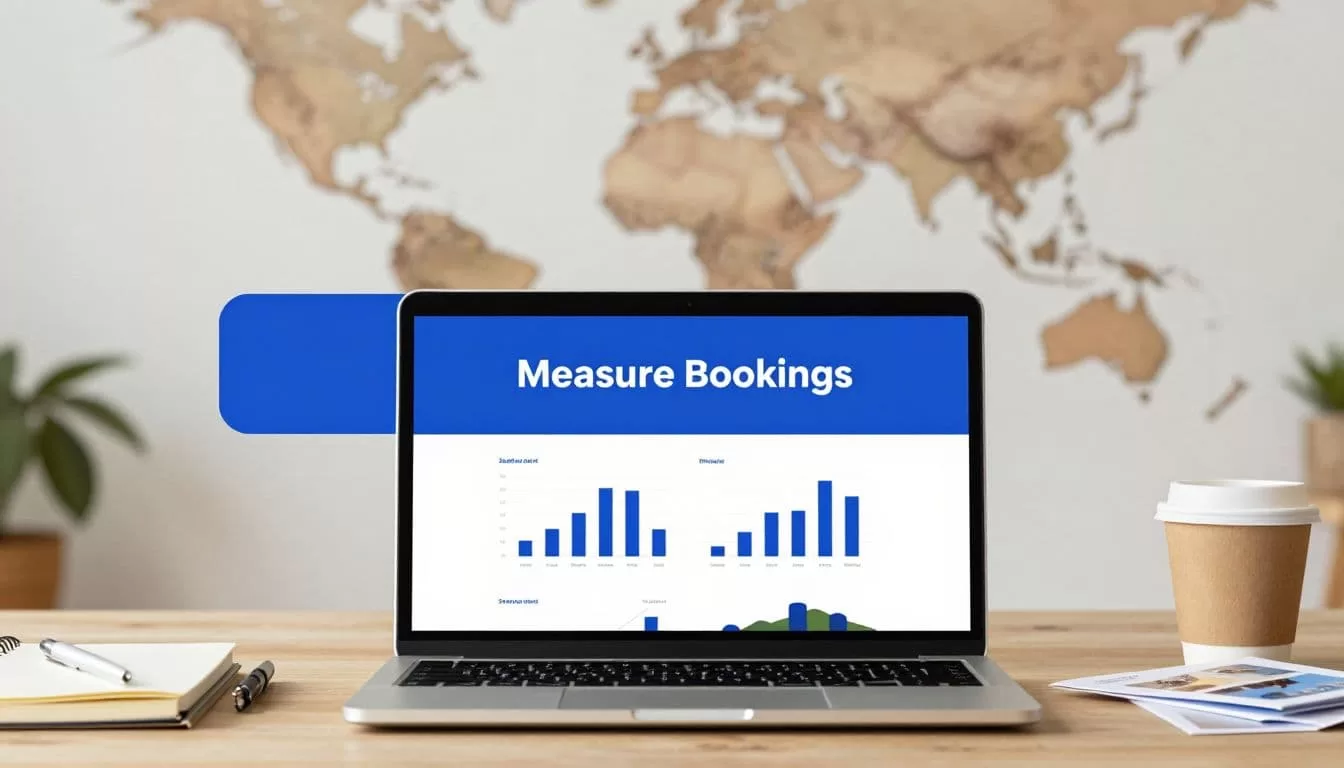
Track the full path. You need to know which pages attract readers, which CTAs get clicks, and which offers lead to credited bookings.
Set Up a Basic Measurement System
Use analytics events for outbound affiliate clicks. Record the page URL, destination category, CTA location, and link label. Check your Travelpayouts dashboard against this data.
A simple monthly report should include page views, outbound clicks, click-through rate, approved bookings, commissions, page update date, and open issues.
Measure accepted results, not publishing activity. Ten new articles don’t matter if they repeat old advice or send readers to broken booking pages.
Make Decisions With Enough Data
Don’t remove a link after one slow week. Travel demand changes by season, destination, school holidays, and booking window.
Look for patterns across several weeks or months. A hotel-area guide with strong clicks but weak bookings may need better recommendations. A route page with few clicks may need a clearer CTA or a more useful answer above it.
If a small team needs help assigning content reviews, tracking tasks, and page ownership, Book A Call.
USE THIS TRAVELPAYOUTS LAUNCH CHECKLIST
Launch a smaller site with complete pages. Don’t wait until you have 100 posts.
Check the Site Before You Promote It
- Choose one traveler type, destination area, or trip-planning problem.
- Publish a home page, category hubs, and at least five useful destination pages.
- Add an about page, contact page, privacy policy, cookie policy, and affiliate disclosure.
- Create your Travelpayouts account and add your public website.
- Review each program’s current traffic and promotion rules.
- Add one relevant affiliate tool to each booking-focused page.
- Test every affiliate link on desktop and mobile.
- Add clear CTA text that describes the next action.
- Set up analytics and outbound-click tracking.
- Connect Google Search Console and submit your sitemap.
- Record source URLs and review dates for time-sensitive travel facts.
- Create a monthly link-check and content-review routine.
Revenue depends on traffic quality, useful content, destination demand, program terms, and real traveler bookings. No affiliate network can guarantee income. Your job is to publish accurate pages that make planning easier.
FINAL THOUGHTS
A working travel affiliate website is not a collection of booking buttons. It is a clear planning system that gives readers useful answers before it asks them to click.
Start with one focused niche. Build pages around real trip decisions. Add Travelpayouts tools only where they help the reader take the next step.
The site improves when you review facts, test links, and measure bookings instead of chasing page count.
