Promote Travel Insurance Offers Through Travelpayouts
A travel guide can send readers to a quote page. It should first help them decide whether insurance fits the trip they are planning. A travel insurance affiliate strategy works when the content answers practical questions about medical care...

A travel guide can send readers to a quote page. It should first help them decide whether insurance fits the trip they are planning.
A travel insurance affiliate strategy works when the content answers practical questions about medical care, cancellations, baggage, destinations, and policy limits. It fails when the page pushes a generic “buy now” message with no useful context.
Start with the reader’s trip, then connect them to the right offer.
Build a travel insurance affiliate offer plan
Travel insurance is not one product. A digital nomad needs different information than a parent booking a two-week family holiday. A visitor to the United States may care about medical coverage limits. A frequent traveler may care about annual plans.
Build pages around real trip types. Don’t build one thin page that tries to rank for every insurance query.
Match offers to your audience
Review your existing traffic before you join programs. Check Google Search Console, site search data, newsletter replies, and your top destination pages.
Look for pages where readers already show buying intent:
- “Do I need travel insurance for Thailand?”
- “Travel insurance for a Schengen visa”
- “Best travel insurance for U.S. visitors”
- “What does travel medical insurance cover?”
- “Travel insurance for a cruise or ski trip”
A destination guide can include a short insurance section. A detailed insurance guide should answer the full question and link to relevant quotes.
Keep the offer close to the need. Someone reading about hospital costs in the United States has stronger intent than someone reading a list of beaches in Bali.
Compare programs before publishing links
Travelpayouts is free to join and gives publishers access to travel brands through one affiliate account. Its insurance program directory currently includes offers such as VisitorsCoverage, Insubuy, and EKTA.
Public commission details can help you shortlist programs, but they are not a revenue forecast.
| Program | Publicly listed reward structure | What to check before promotion |
|---|---|---|
| VisitorsCoverage | $1 to $160 per sale, based on policy price | Eligible markets, plan types, approval status |
| Insubuy | $1.50 to $150 per sale, based on policy price | Product availability and sale validation rules |
| EKTA | 25% reward rate and a 30-day cookie | Countries served, policy start rules, attribution terms |
Commission rates, cookie periods, coverage terms, and program availability can change. Check the live offer inside Travelpayouts and read the insurer’s current terms before you publish a claim.
Connect programs and create controlled links
Create your account through the Travelpayouts affiliate platform, then open the Programs section in the dashboard. Select an insurance program, review its conditions, and connect to it.
A connected program may give you access to links, widgets, banners, and deep links. That does not mean every visitor or policy type will qualify.
Use deep links for relevant pages
A homepage affiliate link is easy to create. It is also hard to measure.
Use a deep link when the destination matches the article. A guide for U.S.-bound travelers should send readers to the relevant travel medical insurance area, not a general insurer homepage.
Create separate links for major content groups. Use one link for U.S. visitor content, another for Schengen travel pages, and another for long-term traveler guides.
Record each link in a simple sheet with these fields:
- Page URL and page topic
- Partner and destination URL
- Date published or changed
- Main traffic source
- Link placement
- Current approval or program status
This makes broken links and outdated offers easier to find. It also gives you a clean record when a program changes conditions.
Don’t treat a click as a sale
A click shows interest. It does not prove that a reader bought a policy, kept it, or met the program’s rules.
Travelpayouts credits earnings according to each partner’s terms. Some sales may remain pending. Others may be rejected, cancelled, refunded, or credited after the policy starts.
Keep your reporting focused on confirmed commissions, not inflated click totals.
Create travel insurance content people can use
The strongest pages help readers make a decision without pretending every trip has the same risks. Use short sections, plain definitions, and visible limitations.
Explain what coverage may include
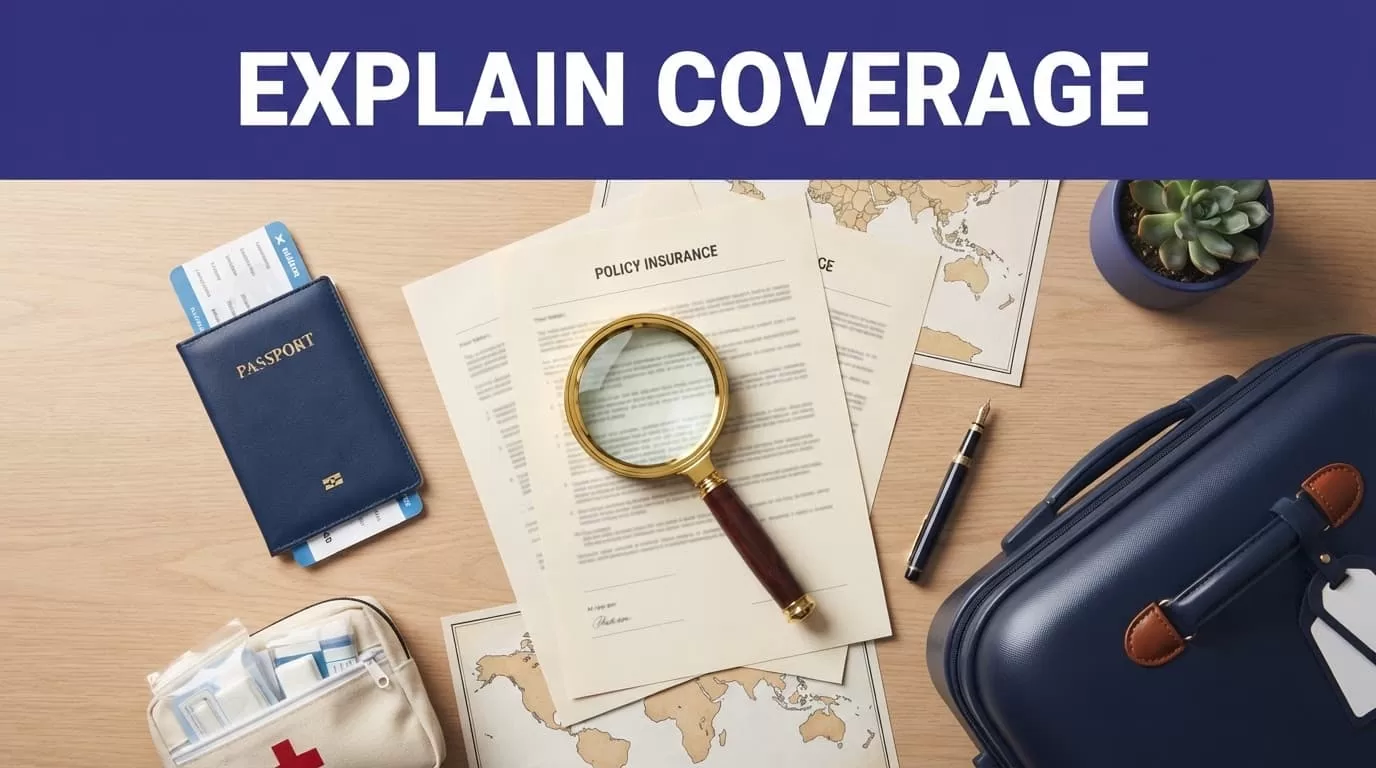
Readers need clear categories. Explain that a policy may include emergency medical expenses, trip cancellation, interruption, baggage problems, travel delays, or emergency assistance.
Then explain the limits.
Pre-existing conditions may have separate rules. Adventure activities may need extra cover. Alcohol-related incidents, high-value electronics, and known events may be excluded. Coverage limits can vary by plan, country, age, residency, and trip length.
Don’t write “this plan covers everything.” That claim is inaccurate and creates a trust problem.
Use a practical format:
- State the travel situation.
- Explain the policy feature the reader should review.
- Link to the insurer’s quote or policy information.
- Tell the reader to confirm exclusions before purchase.
A page about trekking in Nepal should discuss activity exclusions. A page about a U.S. road trip should discuss medical costs, rental-car rules, and trip length.
Write comparison content with clear boundaries
Comparison pages can rank well, but they need maintenance. Use consistent comparison criteria for every provider.
Compare available destinations, plan types, medical limits, deductible options, cancellation coverage, assistance services, and price range when current quotes are available. Do not copy a price from an old screenshot.
Travelpayouts publishes an overview of travel insurance affiliate programs that can help you identify categories and brands. Your page still needs a direct check of the current offer.
A comparison table is only useful when its source date is clear. An old benefit limit can mislead readers more than no table at all.
Add disclosures and honest calls to action
Insurance content sits close to financial and health decisions. Your disclosure and your language need to be clear.
Place a disclosure near the first affiliate link, not hidden in the footer. Use plain wording such as: “This page contains affiliate links. We may earn a commission if you buy through them, at no extra cost to you.”
Keep the disclosure close to the link
A site-wide disclosure page is useful. It does not replace a visible disclosure on a monetized insurance page.
Add the disclosure before the first call to action. Repeat a shorter version near long comparison tables or product sections when needed.
Read the Travelpayouts affiliate network terms before publishing links, especially if you use paid traffic, email, coupons, or social media promotions.
Don’t hide the commercial relationship behind vague language. Readers can spot it, and platforms may have their own disclosure rules.
Avoid fear-based promotion
Don’t use headlines that imply a traveler will be stranded, denied medical care, or lose all their money without a policy. Those claims are manipulative and often false.
Use direct calls to action instead:
- “Check plans available for your travel dates.”
- “Review medical limits and exclusions before you buy.”
- “Compare coverage options for your destination.”
- “Get a current quote from the insurer.”
Never say that a policy is guaranteed to cover a claim. The insurer decides claims under the policy wording and the facts of the event.
Distribute offers through useful travel content
Search traffic is the long-term channel. Email, video, and social posts can also work when they direct people to a useful resource instead of a naked affiliate link.
Use search pages for high-intent questions
Create one complete guide for each strong intent group. Then link related destination pages to that guide.
For example, a “Travel Insurance for U.S. Visitors” page can receive links from pages about U.S. visas, airport arrivals, hospital costs, and long stays. Each internal link should answer a reader’s next question.
Update pages before busy travel periods. Review destination rules, insurer availability, coverage language, and your links. Keep the old approved version saved until the new review is complete.
Don’t overwrite a reliable page with unverified changes. Store the source URL, date checked, and person responsible for the update.
Use email and social without overpromising
A travel newsletter can include an insurance reminder before a seasonal travel period. Keep it tied to a useful guide.
For example, send a packing checklist for winter travel, then link to a page that explains medical cover, delay benefits, and activity exclusions. The email should not say “Buy this now or risk disaster.”
On YouTube, TikTok, or Instagram, place the full guide in the profile link or video description. State that the link may be affiliate-linked. Give viewers a reason to read the guide before they request a quote.
Track your travel insurance affiliate results
Affiliate reporting gets messy when every page uses the same link and every click enters one total. Build a basic tracking system before you scale traffic.

Track the full path, not only clicks
Use separate affiliate links or tracking labels for major pages and campaigns. Then review your data by content type, source, and partner.
Track these numbers each month:
| Measure | What it tells you |
|---|---|
| Affiliate link clicks | Which pages create initial interest |
| Click-through rate | Whether the offer placement gets attention |
| Confirmed sales | Which traffic creates valid transactions |
| Approved commission | What the program actually credited |
| Reversals or rejected sales | Where policy or attribution rules affect results |
A high-click article may be weak if it produces no approved commissions. It may target readers who are researching general travel safety, not buying insurance.
Run small tests before scaling
Change one element at a time. Test a CTA placement, a comparison table, a destination-specific link, or a new page title.
Give each test enough time to collect meaningful traffic. Record the date, page version, link used, clicks, confirmed sales, and commission result.
Don’t replace every page at once. You will not know which change improved results or caused a drop.
Review a small sample of pages every week. Check the affiliate link, disclosure, coverage statement, destination match, and current offer status. A completed dashboard report does not prove that the content is still accurate.
Build trust before chasing commissions
A good travel insurance affiliate site does not pressure readers into a policy. It gives them enough information to check the right plan, read the exclusions, and make their own decision.
Start with a small set of high-intent pages. Use controlled links, clear disclosures, and monthly reporting based on approved commissions.
Trust is the asset that keeps readers returning, even when they decide not to buy today.
