Travel Blogger Tips for Using Travelpayouts Well
Travel content earns reader trust when it removes a real booking decision. A generic list of hotels or flights rarely does that. The best travel blogger tips start with useful answers, then place Travelpayouts tools where a reader is ready...

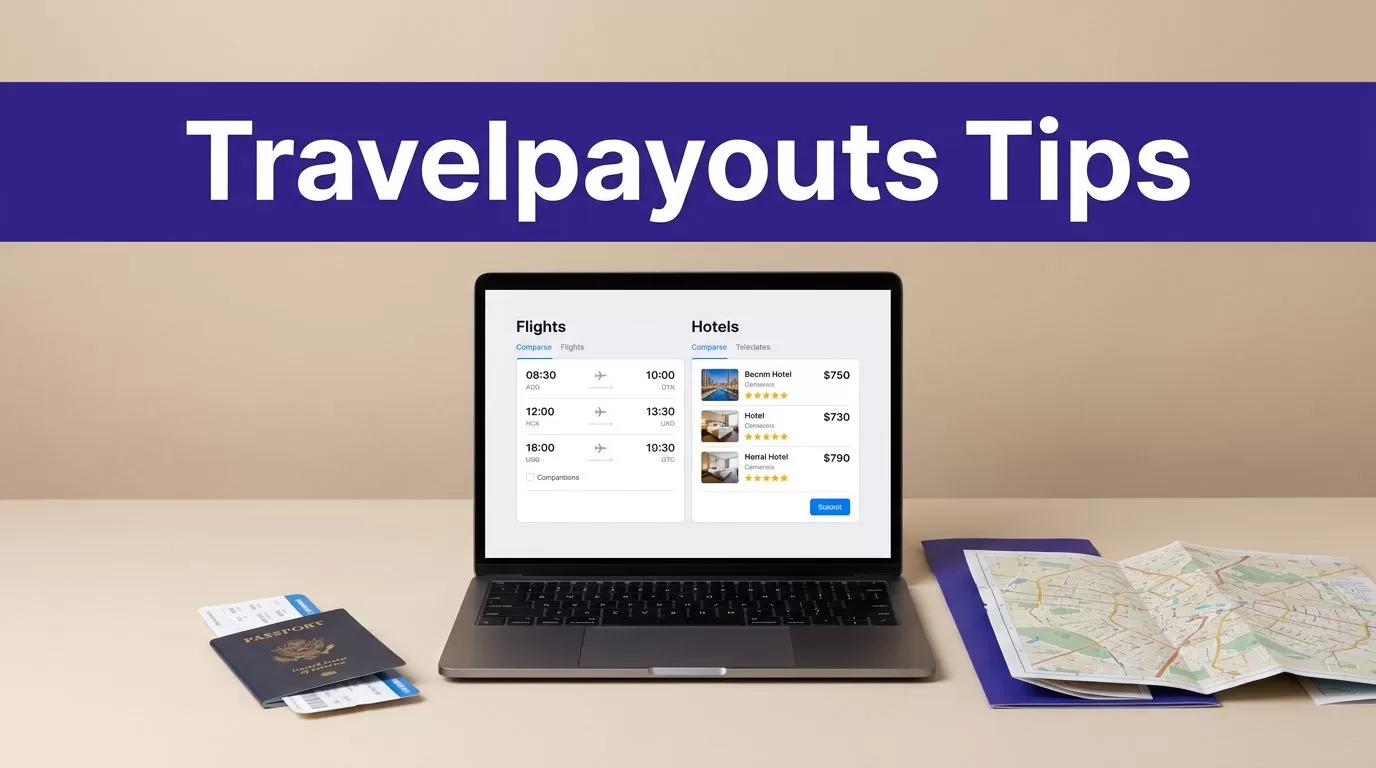
Travel content earns reader trust when it removes a real booking decision. A generic list of hotels or flights rarely does that.
The best travel blogger tips start with useful answers, then place Travelpayouts tools where a reader is ready to compare, search, or book. Your goal isn’t to add more links. Your goal is to help someone make a better trip decision.
Build the page for the traveler first. Add affiliate tools after the page has a clear job.
Start With the Traveler’s Actual Problem
Don’t begin with a list of affiliate programs. Begin with the question that brought someone to your page.
A reader planning a first trip to Japan has different needs than a reader who already chose Tokyo and needs a hotel near Shinjuku Station. Both may book travel. Only one is ready to act now.
Write for a specific trip decision
Choose article angles that answer a point of friction. The closer your page is to a booking choice, the more useful a relevant Travelpayouts link becomes.
Strong angles include:
- “Where to stay in Lisbon for a first visit, by neighborhood”
- “The best train and flight routes from London to Florence”
- “How to plan a seven-day Iceland road trip without changing hotels every night”
- “Which airport to use for a Disneyland Paris trip”
Each angle supports practical recommendations. You can explain location, transit time, seasonal limits, luggage rules, or booking windows before asking readers to search options.
Avoid articles that only list “10 best places” with no selection method. Readers need a reason to choose one option over another.
Keep information and action together
Place the booking option after the advice that makes it useful. If you recommend staying near a train station, explain which station and why. Then add a relevant search link or widget.
A simple order works:
- State the reader’s problem.
- Give a clear recommendation with limits.
- Add a booking or comparison action.
- Explain what the reader should check before paying.
This keeps the page useful even when a traveler doesn’t click.
Travel Blogger Tips That Start With Search Intent
One travel guide can support several booking moments. Don’t force them into one page.
A broad destination guide may help a reader plan. A neighborhood guide can help them choose accommodation. A route guide can help them compare flights, trains, or car rentals. Give each page one primary action.
Match the page to the booking stage
Use the search term to identify what the reader needs next.
| Reader stage | Useful article angle | Clear call to action |
|---|---|---|
| Early planning | “Best time to visit Madeira” | “Check current flight options” |
| Comparing choices | “Where to stay in Rome by neighborhood” | “Compare stays near your preferred area” |
| Ready to book | “Car rental at Keflavik Airport” | “See current car rental availability” |
A reader searching “best hotels near Edinburgh Waverley” doesn’t need a full Scotland itinerary. They need hotel location advice, walking times, room tradeoffs, and current options.
Build small topic clusters
Create three to five connected posts around a destination or trip type. Link between them where the next step makes sense.
For example, a Portugal cluster could include a Lisbon neighborhood guide, a Porto itinerary, a train guide between the cities, and a rental-car page for the Algarve. Each article answers a different question. Each can carry a different travel offer without repeating the same sales message.
This is where travel blogger tips become an operating system. Every post has a defined reader, a defined action, and a reason for its links.
Set Up Travelpayouts as a Tracking System
Travelpayouts lets publishers connect with travel brands, promotional tools, reporting, and payouts in one account. Review the current Travelpayouts platform overview before you build around any feature, since available programs and rules can change.
Don’t connect every available program. Join the programs that match the pages you already publish or have a real plan to publish.
Choose programs by page fit
A hotel comparison article may need an accommodation partner. A route-planning article may fit flights or rail. A road-trip guide may support car rental offers.
Check each program’s current terms before publishing. Commission rules, booking windows, approval requirements, cookie periods, and excluded traffic can differ by advertiser.
Travelpayouts uses a Partner ID to associate links and tools with your account. The platform also supports tracking fields such as SubID values, which help you separate pages, placements, and campaigns in reports.
Use a simple naming format:
destination-page-placement
For example, use lisbon-hotels-sidebar for a sidebar widget and lisbon-hotels-body for the main in-content link. You can then see which placement creates qualified searches or bookings.
Create links for the exact recommendation
A generic homepage link creates weak data and a poor reader experience. Send readers to the closest relevant destination, route, search result, or brand page available through the program.
Follow Travelpayouts’ current affiliate-link creation instructions when you build deep links. Test each link in a private browser session before publishing.
Check the destination, dates, currency, device behavior, and tracking tag. A link that opens the wrong city or strips the tracking field is not ready for production.


Photo by Pavel Danilyuk
Place Travelpayouts Links at the Decision Point
The strongest affiliate link is usually not the first one on the page. It appears after the reader understands the recommendation.
Put a hotel search link after the section that explains where to stay. Put a car-rental link after the section on driving rules, airport pickup, and insurance choices.
Use calls to action that describe the next step
“Book now” is vague when the reader still needs to compare dates and prices. Use language that matches the page and the destination.
Good examples include:
- “Compare hotels in Trastevere for your dates”
- “Check current flights to Reykjavik”
- “See rental-car availability at the airport”
- “Find stays within walking distance of the station”
The call to action should set the right expectation. If it opens a search page, say “compare” or “check availability.” If it opens a booking page, say “view current options.”
Keep link density under control
Don’t add an affiliate link to every hotel name, airline mention, or destination sentence. That makes the page harder to read and can look like a sales page.
Use one primary action per section. Add a second link only when it supports a different reader need, such as comparing a hotel search with a car rental option.
Travelpayouts lists LinkSwitcher as a tool that can convert eligible links automatically. Start with manual links while you learn which pages and offers perform. Automatic conversion needs a careful audit. It can create mismatched links, duplicate tracking, or outdated recommendations if you don’t review the result.
Disclose Affiliate Relationships and Check Live Details
Readers don’t object to affiliate links when the advice is clear and the disclosure is visible. They object when a recommendation hides a financial incentive.
Put a short disclosure near the first affiliate recommendation. Keep a fuller disclosure page in your site navigation.
Some links in this guide are affiliate links. If you book through them, we may earn a commission at no extra cost to you.
Make the disclosure easy to see
Don’t hide it in a footer, an image caption, or the final sentence of a 3,000-word guide. A reader should see it before they act on a recommendation.
Travelpayouts’ guidance for bloggers and website owners explains that publishers can earn rewards from travel bookings made through approved promotional tools. Your local advertising and disclosure duties may add other requirements, so check the rules that apply to your business and audience.
Treat prices and availability as changing data
Travel prices can change by date, traveler count, currency, room type, route, demand, and supplier rules. Availability can disappear between a search and checkout.
Don’t write “this hotel costs $120 per night” unless you have a defined process to check and update that claim. Better wording is: “Rates change by date, so compare current options before booking.”
Record the date you checked key details. Verify cancellation terms, baggage rules, taxes, resort fees, and transfer conditions through the booking provider before presenting them as facts.
Travelpayouts features, payment methods, program terms, and policies can also change. Check your dashboard and the individual program page before relying on an old workflow.
Measure Qualified Actions, Not Just Clicks
A high click count can hide a weak page. Readers may click because a button is visible, then leave because the offer doesn’t match their trip.
Track the actions that show real booking intent. Depending on the program and tool, this may include searches, bookings, confirmed rewards, or completed payouts.
Keep a page-level link register
Maintain a simple spreadsheet or database for every major affiliate placement. Include the article URL, destination, partner, link type, SubID, publication date, and last review date.
Add a status field:
- Draft
- Needs review
- Approved
- Rejected
- Update required
Store the original link and the approved replacement separately. This prevents a rushed update from overwriting the last trusted version.
Review a small batch before scaling
Start with 10 to 20 pages. Check that the article intent, call to action, link destination, disclosure, and reporting tag all match.
Review results every month. If a page gets searches but no bookings, inspect the match between the article and the offer. If readers click a hotel link after reading a flight guide, the placement may be wrong. If a link has no tracked activity, test it again before changing the copy.
Don’t treat a completed dashboard action as proof that the page works. Count accepted outcomes, such as valid bookings, useful reader behavior, and links that still send visitors to the right place.
Build Revenue Around Useful Travel Content
Travelpayouts can support a travel blog that already helps readers plan better trips. It can’t rescue thin pages, vague recommendations, or stale booking details.
Build each page around a real decision. Add a relevant offer at the point of action. Check live prices, availability, links, and program terms before you publish or update.
The most durable travel blogger tips are simple: give clear advice, disclose the relationship, and make every affiliate link earn its place.

