Find Trending Dropshipping Products With Exploding Topics
A product can look exciting and still be a bad bet. When I search for trending dropshipping products, I start with signal, not hype. Exploding Topics helps me spot rising interest early, but I never stop there. I still check demand, competi...

A product can look exciting and still be a bad bet. When I search for trending dropshipping products, I start with signal, not hype.
Exploding Topics helps me spot rising interest early, but I never stop there. I still check demand, competition, margins, supplier availability, seasonality, and audience fit before I spend a dollar. Then I know whether I’m looking at a real opportunity or a short-lived buzz.
I start with the signal first, then I pressure-test the idea.
Start with a trend signal, not a random bestseller
When I open Exploding Topics, I look for motion. A flat line tells me little. A steady climb, repeated mentions, or a topic that keeps widening gives me something useful to study.
I like to cross-check that list with my notes on trending dropshipping products and with Exploding Topics’ own guide to finding trending dropshipping products. That keeps me from chasing products that only look hot in a screenshot.


In April 2026, the most useful signals often sit near everyday problems. I pay attention to outdoor gear, travel tools, home fixes, and simple health items because they are easy to explain and easy to show in a short video. I do not need every rising topic to become a store. I only need a few that are easy to ship, easy to understand, and easy to test.
Validate the idea before I trust it
Once a topic catches my eye, I run it through a small filter. I want proof that people are searching, comparing, and buying for a reason. I also use Exploding Topics data to see whether the rise looks stable or just noisy.
| Check | What I want to see | What makes me pause |
|---|---|---|
| Search demand | steady growth over weeks or months | one sharp spike |
| Competition | a few real sellers, not a wall of clones | crowded listings with no clear edge |
| Margins | room after ads, fees, and refunds | thin profit on every sale |
| Supplier availability | more than one reliable source | one supplier and slow shipping |
| Seasonality | a clear buying window I can time | demand that already peaked |
| Audience fit | a buyer I can name in one sentence | broad appeal with no obvious use case |
That table keeps me honest. I’m not asking whether a product looks cool. I’m asking whether it can survive a real store.
A rising chart is a clue, not a purchase order.
I also compare the trend against Exploding Topics’ trending products list when I want a wider view of what is moving right now. That helps me separate curious traffic from serious buyer intent.

I also watch the language people use. If buyers ask for “best,” “vs,” or “worth it,” I take the topic more seriously. If they only react to a viral clip, I slow down.
Product niches that look promising in 2026
In April 2026, I keep seeing useful movement around a few product types. I do not treat any of them as guaranteed winners. I treat them as starting points for research.
On my rising ecommerce niches guide, the strongest patterns still lean toward simple, visual, problem-solving products. That matches what I see in current product scans and buyer behavior.
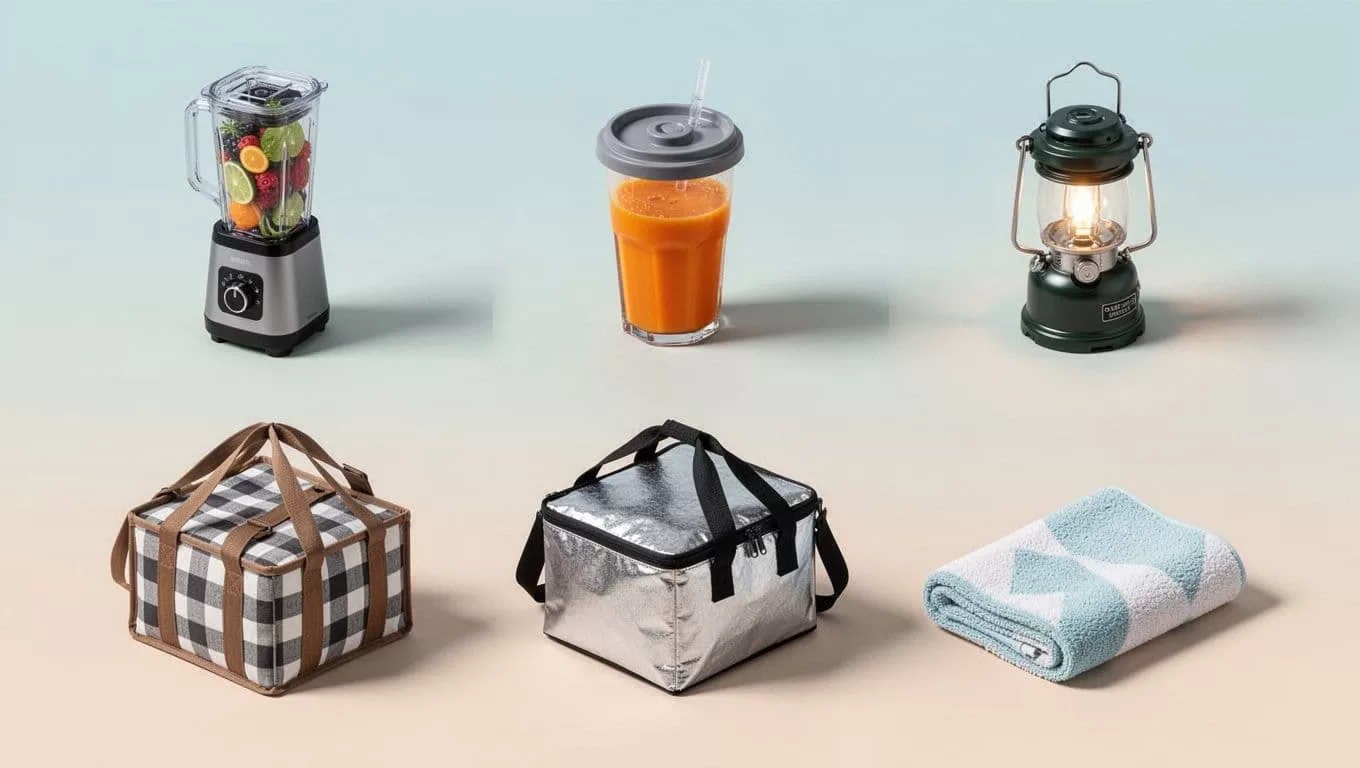
Here’s where I would look first:
- Outdoor and travel gear: telescopic folding chairs, camping lanterns, cycling sunglasses, and picnic totes. These sell because the use is obvious.
- Home cleanup tools: magnetic window cleaners and silicone air fryer liners. These work when they save time or reduce mess.
- Personal care helpers: exfoliating shower towels and reusable makeup remover pads. These can fit repeat-buy habits.
- Portable convenience items: 4-in-1 travel pump bottles and portable blender cups. These often bundle well.
I like products that show well on camera and solve a small, clear problem. That gives me a better shot at paid ads, short-form video, and product page conversions. I also check whether the item has add-ons or refill purchases, because repeat demand is easier to build around than a one-time impulse buy.
Turn a promising product into a small test
A good trend still needs a clean test. I keep my first move small and direct.
- I pick one buyer and one use case.
- I check supplier stock, shipping times, and product variants.
- I build a simple product page or landing page.
- I test with a small traffic budget and watch clicks, add-to-carts, and returns.
If the item is seasonal, I map it with my seasonal launch timing process. That matters more than people think. A summer product can look weak in February and strong in May. If I launch too late, the trend has already cooled.
I also pay attention to shipping. A product can look perfect on paper and still fail if delivery drags. That is why I want suppliers who can keep stock and keep promises. Fast, clear fulfillment often beats a slightly lower product cost.
A rising chart is only the first clue
Exploding Topics helps me find direction early, and that matters. It gives me a map before the road gets crowded.
Still, I only move when the numbers support the idea. A trend with real demand, fair margins, stable suppliers, and a clear buyer is worth testing. Everything else is just noise with a nice graph.
The best dropshipping products feel obvious only after I’ve checked the facts.

