Trending Mental Health Apps I Spot Early with Exploding Topics
In April 2026, mental health apps are moving fast. Some solve a real daily need. Others ride a wave of attention and fade just as fast. When I scan trending mental health apps, I look for more than downloads. I want search growth, new produ...


In April 2026, mental health apps are moving fast. Some solve a real daily need. Others ride a wave of attention and fade just as fast.
When I scan trending mental health apps, I look for more than downloads. I want search growth, new product launches, and signs that people keep coming back. That helps me spot rising apps early, before the noise gets too loud.
How I spot rising mental health apps before they peak
I start with trend data, not app store hype. Exploding Topics’ trending health topics gives me a useful first pass, because it helps me see which ideas are gaining heat before they hit every newsletter.

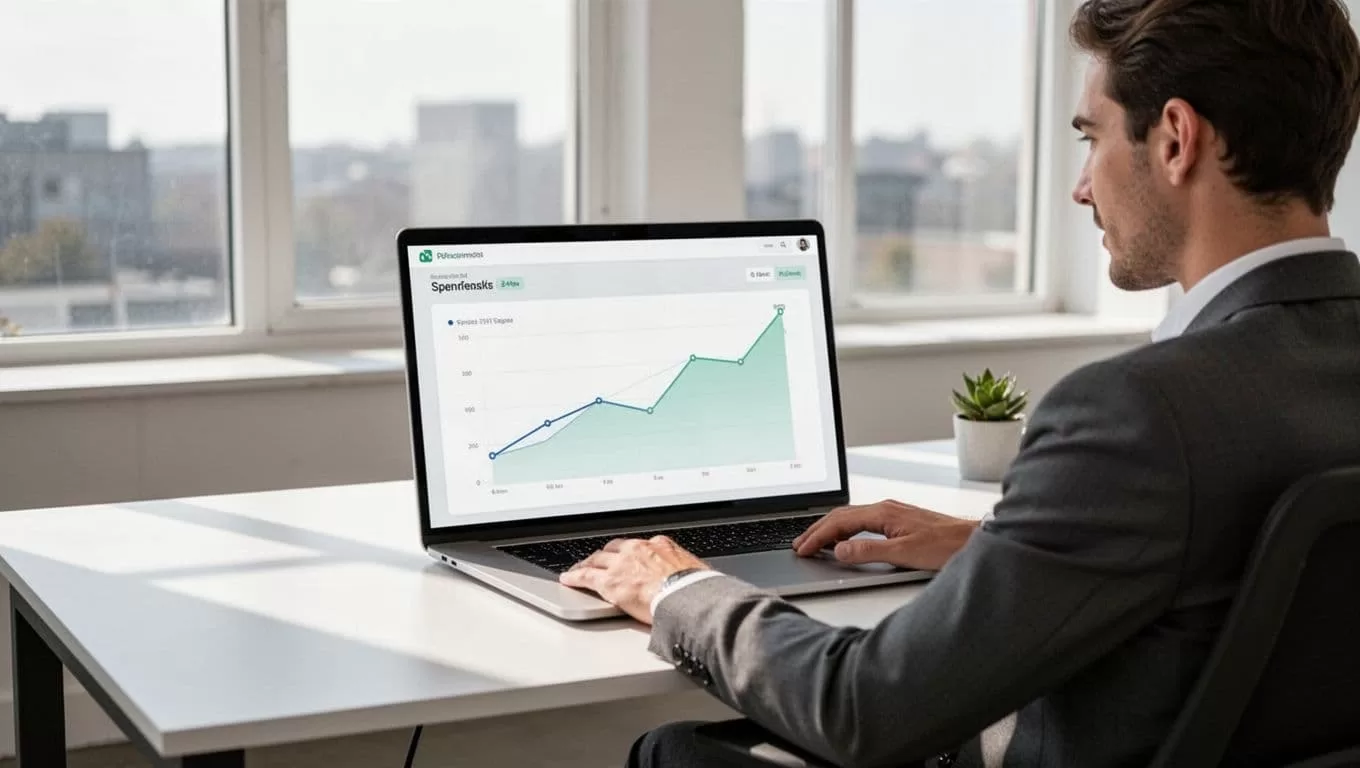
I also compare that signal with Exploding Topics’ health startup list. When both trend pages point in the same direction, I pay attention. That same habit helps me with fast-growing industries in 2026, where I look for repeated demand, not one loud spike.
A rising chart is a clue, not a verdict.
A short burst can come from social buzz. A steady climb across months is more useful. In other words, I care about persistence, not noise.
The app categories I watch most closely
Mental health apps do not rise for the same reason. Some help people sleep better. Others help them write down moods, manage focus, or talk through thoughts.
| Category | Why people try it | What I look for |
|---|---|---|
| Therapy | Support from licensed professionals or guided sessions | Oversight, pricing, and clear scope |
| Meditation | Calm, focus, and breathing exercises | Quality content and easy daily use |
| CBT | Thought reframing and structured exercises | Real exercises, not vague advice |
| Journaling | Mood tracking and self-reflection | Privacy controls and export options |
| Sleep | Wind-down audio and bedtime routines | Sleep tools that fit real habits |
| Stress management | Quick resets during busy days | Low-friction features and short sessions |
| ADHD support | Focus help, reminders, and routines | Accessibility and practical structure |
| AI mental wellness tools | Chat-based support and guided check-ins | Guardrails, data use, and escalation paths |
In 2026, I keep seeing names like Calm, Headspace, Wysa, Insight Timer, and Daylio in broad app lists. I also see more interest in niche tools such as Holon Vibe, MindLift, Moodfit, Grow Therapy, Sanvello, Happify, and Finch. The mix matters. It tells me the market is splitting into general wellness and more specific use cases.

When I look at ADHD support, I also compare it with tools that reduce reading strain, such as ADHD-friendly text-to-speech tool. That matters because a good experience often starts with reducing friction, not adding another task.
The signals I check beyond the chart
A rising trend page is useful, but I never stop there. I cross-check the signal with a few other clues.
- Search momentum: I look for sustained interest, not one-week spikes. Google Trends and Exploding Topics often tell a similar story when demand is real.
- Launch activity: New app updates, product launches, and startup funding can confirm that builders see the same demand.
- Social chatter: Mentions from creators, therapists, and productivity communities can reveal which use cases people keep repeating.
- Commercial intent: If people search for pricing, free plans, or comparisons, the category is moving closer to purchase.
- Category overlap: When meditation, sleep, and stress apps rise together, I read that as a broader behavior shift.
I use the same pattern in fast-growing industries in 2026. The theme is simple. I want multiple signals to point the same way before I call something a real trend.
For AI-heavy products, I also compare trend buzz with a recent 2026 AI therapy app review. That helps me separate product quality from marketing volume. A chatbot can sound friendly and still offer little value.
Why popularity doesn’t prove effectiveness
This part matters most. Popularity does not mean clinical effectiveness. A top chart position can say a lot about taste, timing, or marketing. It does not tell me whether the app helps in a meaningful way.
That’s why I check five things before I download, recommend, or write about an app:

- Privacy: I want to know what data the app collects, stores, and shares.
- Security: I look for clear account protection and data handling language.
- Professional oversight: If the app makes mental health claims, I check whether licensed professionals are involved.
- Pricing: Free plans can be useful, but limits often appear fast.
- Evidence basis: I look for studies, methods, or clear explanations of how the app works.
This is especially important with AI mental wellness tools. They can feel conversational and helpful, yet they still need guardrails. Mood notes, chat logs, and sleep data are sensitive. I treat them that way.
I also pay attention to wording. If an app sounds like a treatment plan but provides only general wellness content, I slow down. If the privacy policy is hard to read, I slow down again. If the company hides pricing until the last step, I see that as a warning sign.
What I trust after the hype
The best mental health apps usually rise for a simple reason. They solve a repeating problem. Sleep, stress, focus, journaling, and guided support all fit that pattern.
When I pair trend tools like Exploding Topics with privacy checks, pricing checks, and evidence checks, I get a clearer view of the market. That matters more than chasing the loudest app of the month.
A fast rise can be useful. A fast rise with weak trust signals is just noise.

