How I Use Exploding Topics to Find Waste Management Solutions in 2026
In April 2026, waste looks less like a disposal problem and more like a data problem. The best waste management solutions are showing up first in search behavior, product launches, and policy pressure. I use Exploding Topics to catch those...

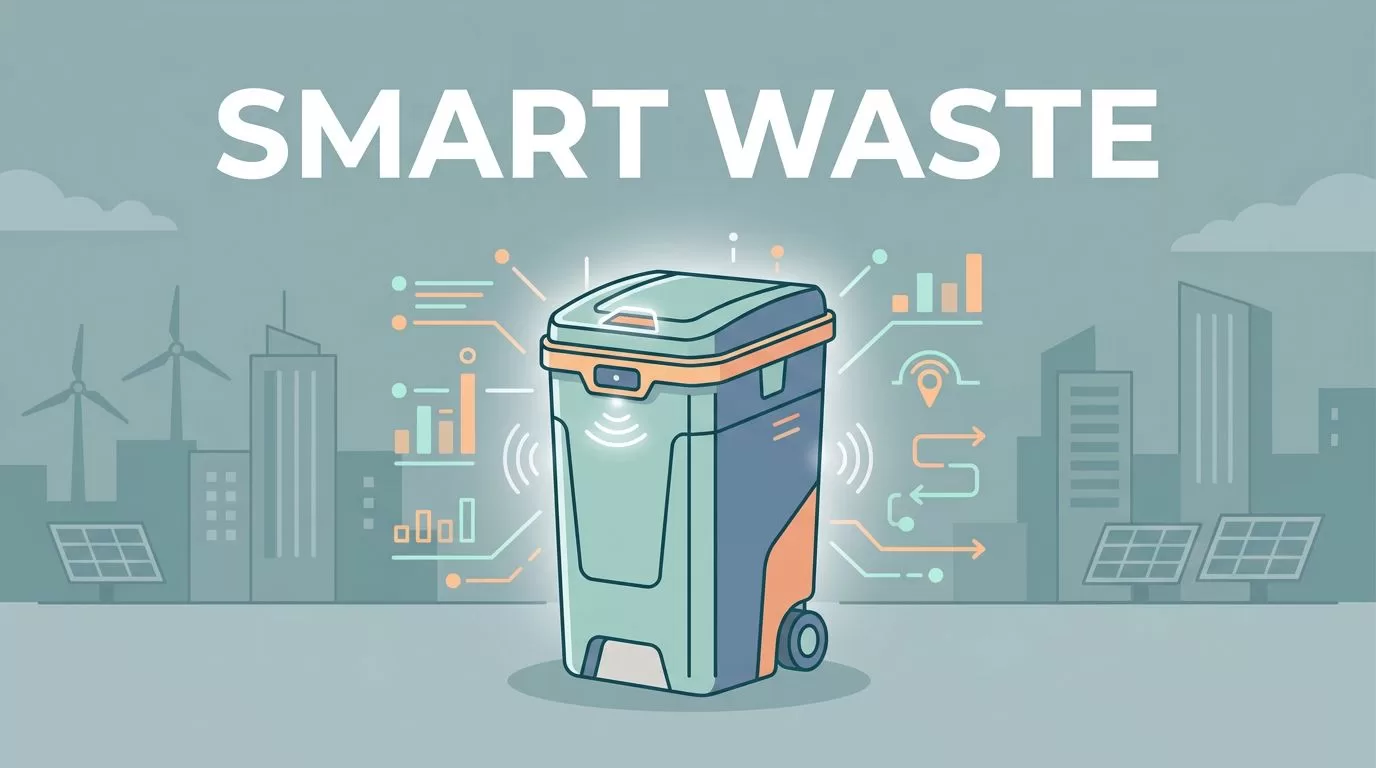
In April 2026, waste looks less like a disposal problem and more like a data problem. The best waste management solutions are showing up first in search behavior, product launches, and policy pressure.
I use Exploding Topics to catch those shifts early. That helps me spot smart bins, recycling robotics, on-demand pickup, and reporting software before they feel obvious.
How I turn trend charts into waste ideas
I start with clusters, not one-off spikes. A single term can be noise, but a group of rising terms around sensor-based pickup, route optimization, and contamination control tells a stronger story. I use using Exploding Topics data to spot real demand as my first filter, because I want buying intent, not random curiosity.
I also compare that signal with my Exploding Topics guide to find trends early. That keeps me focused on movement, not headlines.


Once I see repeated growth, I ask what job the solution does. Does it cut truck miles? Reduce sorting mistakes? Lower compliance risk? Improve recycling rates? If I can’t answer that in one sentence, I pass.
I also like to think in categories. Waste tech rarely grows as a single product. It grows as a stack, first hardware, then software, then services. That pattern matters when I compare a topic with fast-growing industries in 2026. If the trend fits a wider business shift, I pay closer attention.
The waste management solutions I keep seeing in 2026
These are the categories I watch most closely, especially after reading the latest smart waste market outlook for 2026 to 2030.
| Trend area | What I see | Why it matters |
|---|---|---|
| Smart bins and fill-level sensors | On-demand pickups and route planning | Fewer wasted trips, lower fuel costs |
| AI sorting and robotics | Vision systems on conveyor belts | Higher recovery rates, less contamination |
| Compliance and ESG tools | Diversion, emissions, and audit tracking | Easier reporting for operators |
| Waste-to-energy and waste-to-value | Biogas, heat, and feedstock recovery | More value from material streams |
| Circular service models | Collection plus analytics plus support | Better recurring revenue for vendors |
The biggest shift is that waste is becoming measurable. Buyers want data, not guesses. They want to know what they collected, where it went, and what it saved.
A recent waste sorting robotics trend watch makes the same point. Recovery rates, contamination rates, and uptime matter more than flashy demos. That is where real adoption starts.
A rising keyword is a clue. A repeated problem is a market.
When I see search growth and procurement language rise together, I know I’m looking at something that may outlast the news cycle. That’s also where the money tends to sit, in software, sensors, and services that reduce waste costs over time.
How I tell hype from a real shift
I test every idea against five signals. If two or three line up, I keep digging. If they don’t, I move on.
| Signal | What I want to see | What it tells me |
|---|---|---|
| Search growth | Steady lift over months | Demand may be lasting |
| Regulation | EPR rules, packaging traceability, methane pressure | Buyers need compliance help |
| Funding | New rounds or active M&A | Smart money sees room |
| Adoption | Pilots turning into contracts | Operators trust the product |
| Scalability | Multi-site, repeatable setup | The model can grow |
I care most about search growth and adoption together. Search can show attention, but contracts show commitment. I also watch regulation closely. California’s SB 54 and similar packaging rules keep pushing traceability into the buying process.
Funding matters too, but I treat it as a secondary signal. Capital can chase hype. Still, when investors back smart compaction, robotics, or compliance tools, I take note. It usually means the category has moved beyond a lab demo.

The business models I would back first
By 2026, I care less about the gadget and more about the revenue path. The strongest models I see are simple and repeatable.
- Sensor-based pickup subscriptions work because operators pay to avoid wasted collection runs.
- Robot-as-a-service contracts make sense when facilities want automation without heavy upfront spend.
- Compliance reporting software grows when rules around diversion, packaging, and emissions get harder to manage.
- Waste-to-value marketplaces can work when industrial by-products have steady demand.
That mix feels durable because it solves real pain and repeats every month. It also fits the way waste budgets work. Savings show up in fuel, labor, landfill fees, and fewer missed pickups.
For founders, I want a narrow wedge and a clear customer. For investors, I want repeat use and room to expand. For operators, I want fewer surprises on the truck route and cleaner reporting at month end.
I also keep the bigger picture in view with my guide to future tech trends in 2026. Waste management now sits next to AI, automation, and compliance software more often than people expect.
The signal I trust most
I use Exploding Topics as an early warning light, not a final answer. In waste management, that means I pay attention when search growth, regulation, funding, adoption, and scale all point the same way.
In April 2026, the most useful waste management solutions are the ones that quietly cut trips, sort better, prove compliance, and turn waste into a tracked asset. That is the kind of shift I want to catch early.

