How I Find Trending Water Conservation Tech Fast on Exploding Topics
Water conservation technology is moving from niche pilots into real budgets. In April 2026, I can see that shift in the trend data before it turns into obvious news. If I wait for headlines, I’m usually late. I use Exploding Topics to...
Water conservation technology is moving from niche pilots into real budgets. In April 2026, I can see that shift in the trend data before it turns into obvious news.
If I wait for headlines, I’m usually late. I use Exploding Topics to spot the early climb, then I check whether the idea has buyers, clear water savings, and steady search interest.
That mix matters. A water-saving product can sound promising and still go nowhere. I look for the signals that show a market is forming.
Why I start with trend data, not headlines
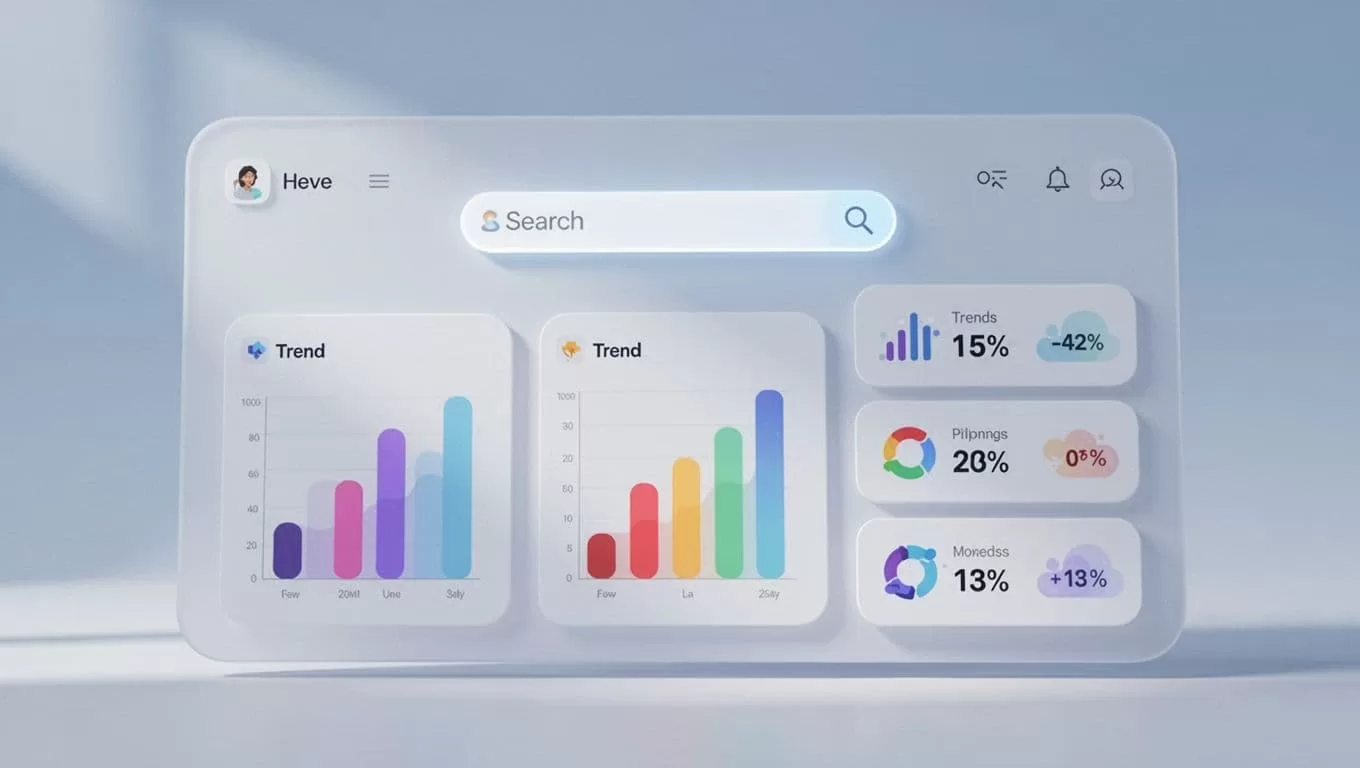
I open Exploding Topics’ current trends page first because it shows movement before the market gets loud. I want terms that keep rising for months, not a one-day burst.
That habit fits the same pattern I use in my future tech trends workflow. The best ideas usually sit inside a cluster. One phrase can be noise. A group of related terms feels more real.
When I scan for water conservation technology, I search by problem, not by product. I look for leak detection, smart irrigation, digital twins, rainwater capture, and water quality monitoring. Those terms tell me where pain is building.
If I also see pricing pages, demos, or integration pages nearby, I pay closer attention. That usually means the idea has crossed from curiosity into commercial intent.
The water conservation categories I watch first
The strongest signal right now is smart irrigation. Farmers, landscapers, and property managers want water control that feels exact, not guessy. I also watch consumer and commercial systems that map water to the shape of the space.
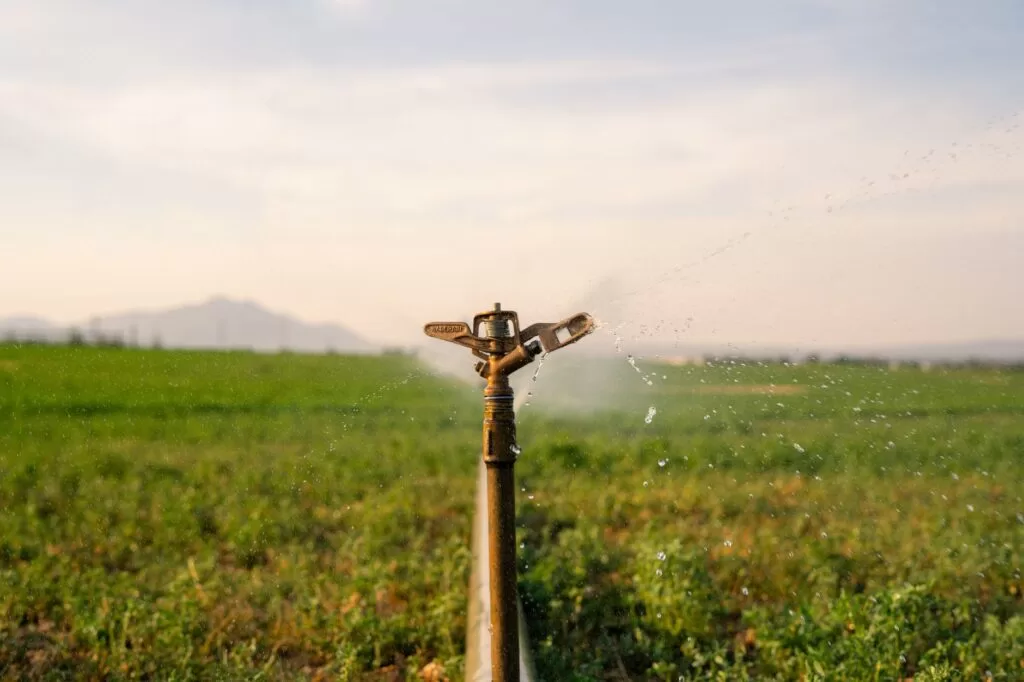
Photo by Rodrigo Armendariz
That interest lines up with WIRED’s 2026 review of Irrigreen’s smart irrigation system. I like that signal because it points to real buyer attention, not just lab-stage hype. I also keep an eye on Ynet’s coverage of smarter irrigation startups, since those stories often show where waste reduction is becoming a business case.
Leak detection is the next bucket I watch closely. AI sensors can track flow, pressure, and odd usage patterns. That matters in apartments, offices, and municipal systems, because hidden leaks waste water for weeks.
Digital twins sit one layer above that. They let engineers test what-if scenarios before touching real pipes. I like this category because utilities buy for the long term, and they pay for tools that help them avoid costly mistakes.
I also keep an eye on decentralized treatment and atmospheric water harvesting. Those ideas are still early, but they solve real access problems. The best ones reduce waste first, then widen supply.
My fast filter for a real trend
I don’t trust a rising chart by itself. I use a simple filter so I can repeat the process every week.
- I search by the water problem, like leaks, irrigation, or reuse.
- I sort for repeated growth, not one spike.
- I check whether the idea has a clear buyer.
- I look for proof in products, hiring, or policy pressure.
- I tag anything that saves water and money at the same time.
I also score each trend against three signals.
| Signal | What I look for | Good sign |
|---|---|---|
| Commercial pull | Pricing pages, demos, and B2B customers | A real buying path |
| Environmental value | Water saved, energy saved, less runoff | Measurable impact |
| Search interest | Rising queries over several months | Demand that lasts |
If a trend scores well in two columns, I keep it on my watch list. If it only looks good in one column, I leave it alone for now.
How I judge commercial, environmental, and search value
Commercial potential matters because a great idea still needs a budget owner. I ask who pays, how fast the payback is, and whether the install path is simple. If the answer feels fuzzy, I slow down.
Environmental value matters for the same reason. I want ideas that reduce waste without creating a bigger maintenance load. A system that saves water but needs constant tuning can lose momentum fast.
Search interest is my last check, but it’s never an afterthought. If people are searching for a solution, they already feel the pain. If related terms keep growing together, I treat that as a healthier signal than one isolated keyword.
This is where Exploding Topics helps most. It shows me the early shape of demand. Then I compare that shape with the product world around it. A vendor launch, a funding round, or a utility pilot can confirm what the chart is suggesting.
I stay cautious when a trend looks exciting but lacks a clear use case. A term can sound important and still be too broad. A narrower idea, like irrigation mapping or leak detection for multifamily buildings, often has a better path to revenue.
The habit that keeps me from chasing noise
The easiest mistake is treating a rising term like proof. I don’t do that. I wait until the search curve, the product signals, and the buyer story all point the same way.
That’s why I keep Exploding Topics open, but I don’t stop there. I use it to narrow the field, then I test each idea against commercial pull, environmental benefit, and search demand. When those three line up, I know I’m looking at more than a headline. I’m looking at a real market taking shape.
