How I Spot Wearable Tech Trends Fast With Exploding Topics
I don’t wait for wearable tech headlines to tell me what’s real. By the time a device shows up in every feed, the easy attention is often gone. What I want instead is early motion. In April 2026, wearable tech trends are moving...

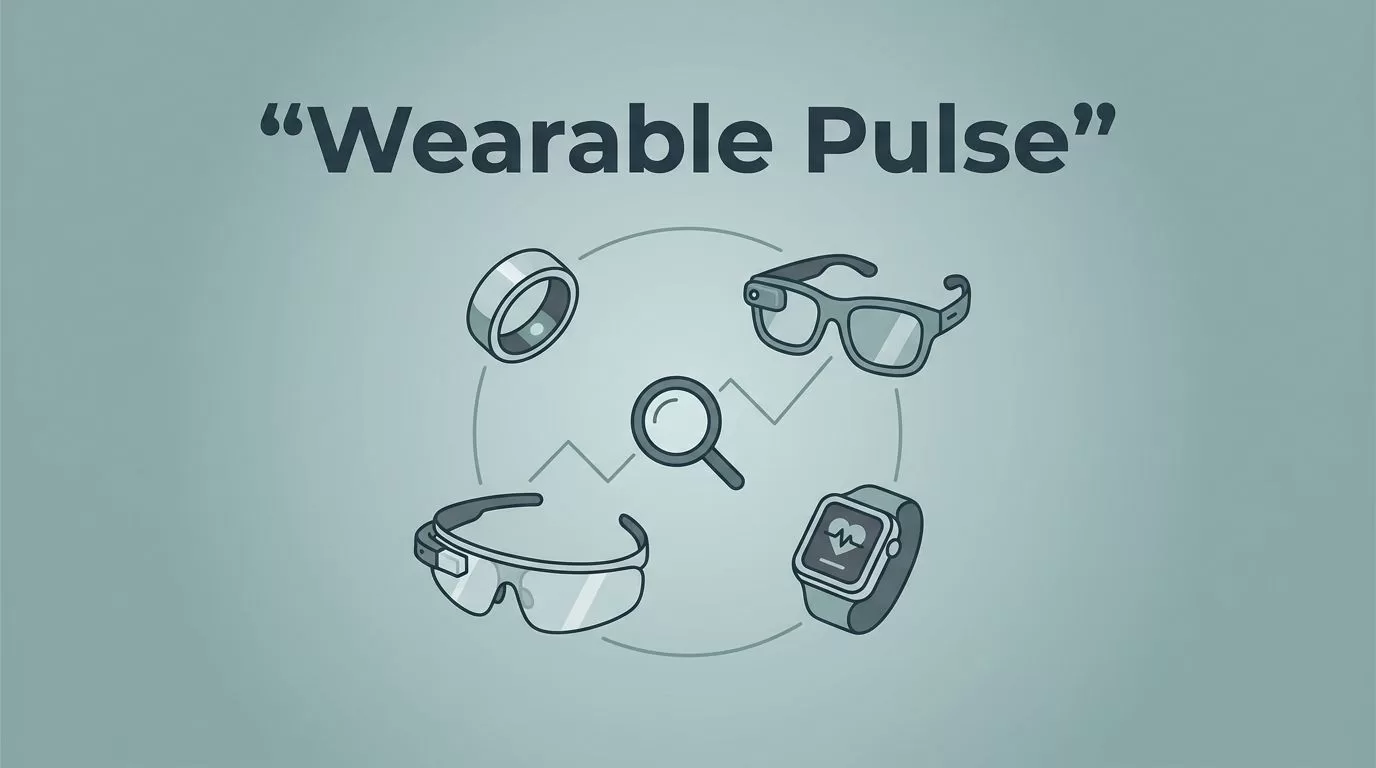
I don’t wait for wearable tech headlines to tell me what’s real. By the time a device shows up in every feed, the easy attention is often gone.
What I want instead is early motion. In April 2026, wearable tech trends are moving through smart rings, health monitors, AR glasses, fitness gear, and workplace safety tools, but not every spike deserves my time.
I use Exploding Topics as my first filter, then I test what I see against the market. That keeps me from mistaking a loud week for a durable shift.
Why I Start With Search, Not Headlines
News tells me what people already noticed. Search tells me what they’re starting to ask for.
That is why I begin with trend data, then compare it with broader pattern work like my guide to future tech trends in 2026. If a wearable category keeps climbing there, I know it has moved past a single buzz cycle.
I also cross-check with Clutch’s wearable technology trends in 2026, because buyers care about trust, battery life, and accuracy as much as novelty. When those concerns show up next to rising searches, I pay attention.
A useful trend rarely comes alone. It shows up with related terms, new comparisons, and more people asking how the product fits into daily life.
The Wearable Categories I Watch Closely
In April 2026, a few categories keep surfacing again and again. I pay special attention when a category has both consumer appeal and clear use cases.


A recent 2026 wearable technology trends roundup lines up with what I keep seeing across product launches and search data.
| Category | Why it is rising | What I watch for next |
|---|---|---|
| Smart rings | Discreet design and long battery life | Repeat searches, new models, retail shelf space |
| Health monitoring wearables | Sleep, heart, recovery, and glucose data | Clinical claims, app retention, doctor interest |
| AR and AI wearables | Hands-free help and ambient computing | Creator demos, enterprise pilots, store launches |
| Fitness tech | Coaching and recovery scores | Training communities, subscriptions, accessory sales |
| Workplace safety wearables | Heat, stress, and fall alerts | Employer purchases, compliance use, repeat contracts |
The pattern is clear. Categories that solve a job, save time, or reduce risk keep moving. Categories that only entertain people usually fade faster.
Smart rings are a good example. They look small, but they carry big signal value. If a ring category keeps growing, I want to know why users prefer it over a watch or band.
Health tracking wearables matter for the same reason. They hook into sleep, heart health, and recovery, which creates daily use. For a closer look at that market, I compare my notes with wearable tech health tracking in 2026.
The Signals I Trust Before I Call It a Trend
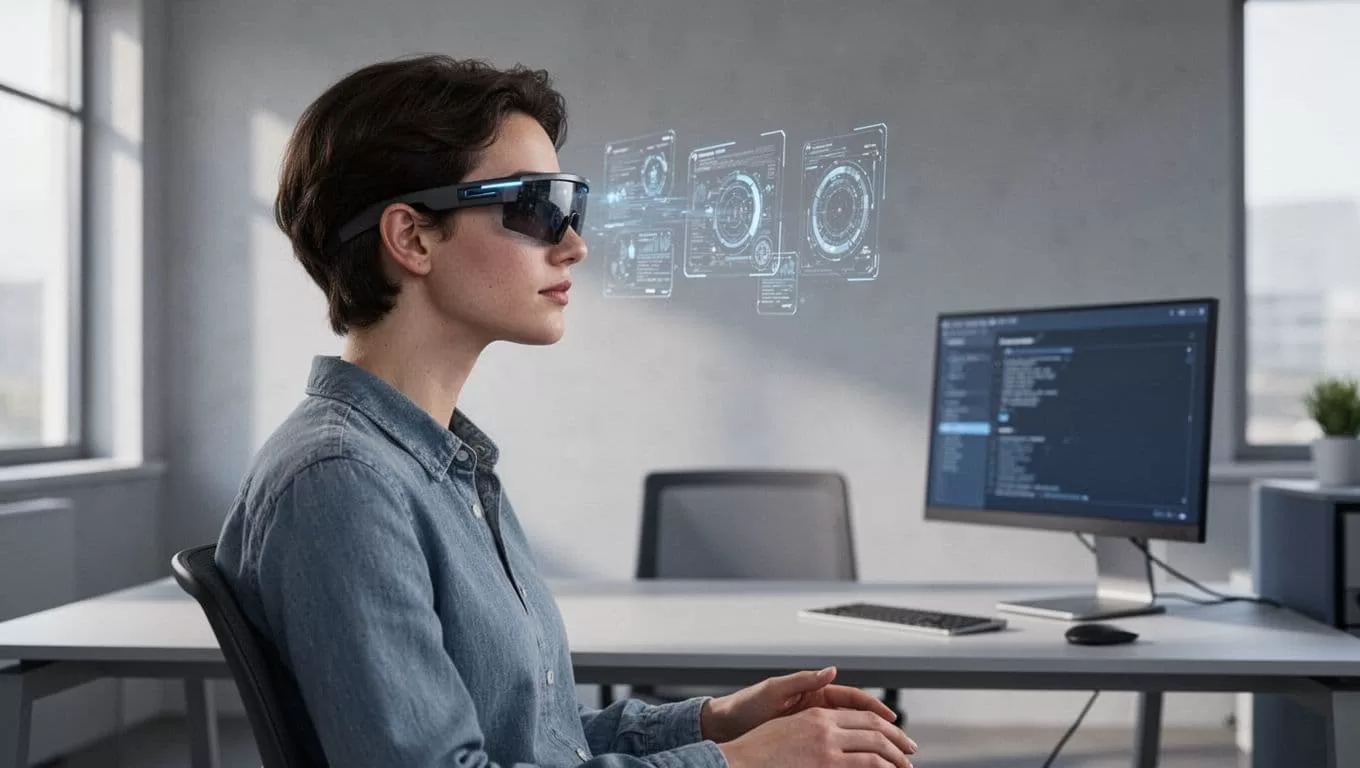
I never trust one metric alone. A real trend usually gives me several clean signals at once.
I look for:
- Search growth that climbs for months, not days.
- Product launches from more than one serious brand.
- Funding that lands in startups solving the same problem.
- Creator adoption that shows regular use, not one sponsored post.
- Retail expansion that puts the product in stores or major marketplaces.
When those signals line up, the picture gets clearer fast. A smart ring that keeps growing in search, gets new competitors, and moves into retail is far more interesting than a flash-in-the-pan gadget.
I trust a trend when search, supply, and shelf space all point the same way.
I also watch how people talk about the device. If creators, athletes, or productivity accounts keep wearing it for weeks, I treat that as a stronger sign than a single launch video.
That matters because creator behavior often predicts buyer curiosity. A product feels more real when people use it in public, not just on a press page.
How I Turn a Trend Into a Practical Plan
Once I think a wearable category has legs, I decide how I would use it.
For marketers, I look for new keywords, demo ideas, and creator stories. For ecommerce teams, I test bundles, accessories, and refill offers. For founders, I check pain level, pricing power, and whether the hardware needs software support. For investors, I watch margins, regulation, and whether the use case can survive the first wave of hype.
That is where my Exploding Topics ecommerce niche process helps. A wearable trend gets stronger when it creates side demand for apps, charging gear, cases, coaching plans, or workplace software.

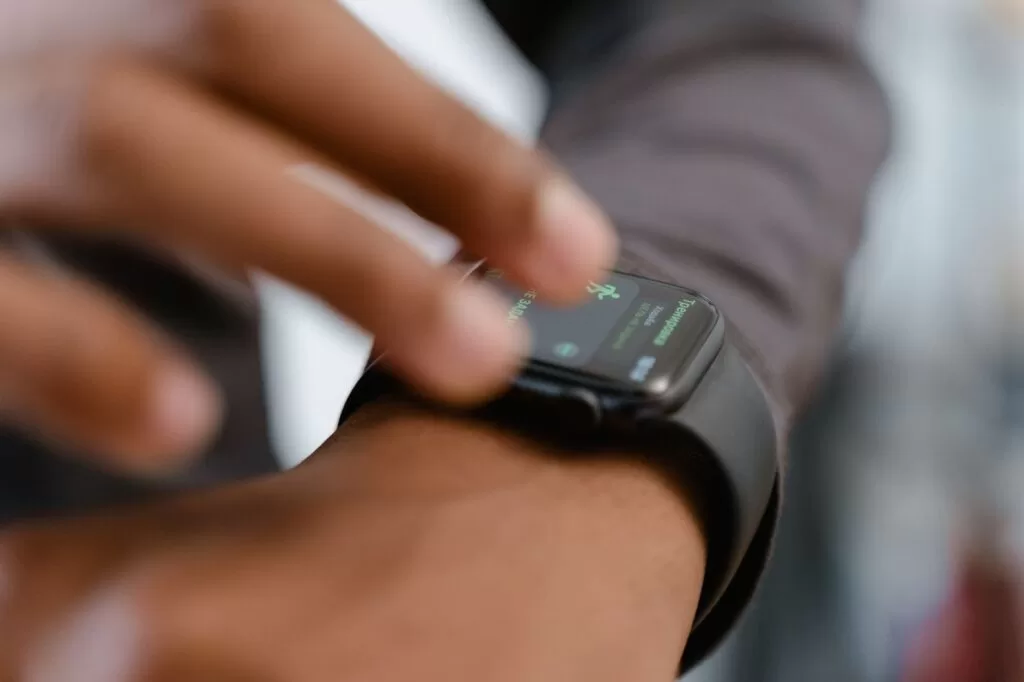
Photo by MART PRODUCTION
Fitness tech still gives me some of the clearest buyer signals. People wear it daily, post about it often, and compare it with competing devices. That makes it easier to read demand without guessing.
I also think in terms of repeat use. A wearable that only looks cool for one week will not build the same business as one that helps someone sleep better, train smarter, or stay safe at work.
The Pattern I Keep Coming Back To
If I want to spot wearable tech fast, I don’t wait for the loudest launch. I look for a category that keeps showing up in search, in stores, and in real routines.
When smart rings, health wearables, AR glasses, and safety tools all move at once, I assume the market is changing shape. The details still matter, but the strongest trend is the one that keeps finding a place in daily life.
That is the filter I trust in April 2026, and it helps me separate a brief spike from a category with room to grow.

