How I Run My Yoga Studio Online with Skool
Running a yoga studio means constant juggling. Classes fill up fast in person, but what happens when students want sessions from home? I faced empty spots during bad weather or travel seasons. Then I found Skool. It lets me keep my yoga stu...


Running a yoga studio means constant juggling. Classes fill up fast in person, but what happens when students want sessions from home? I faced empty spots during bad weather or travel seasons. Then I found Skool. It lets me keep my yoga studio with Skool thriving online.
Students crave connection beyond mats and mirrors. They need poses, breathwork, and chats with others on the same path. Skool handles all that in one spot. You build community, share classes, and charge for access without app overload.
Let me show you how I do it. First, I picked Skool because it fits yoga teachers like a perfect downward dog.
Why Skool Fits Yoga Studio Owners
I teach vinyasa and restorative flows to busy professionals. Before Skool, I bounced between Zoom, email lists, and Facebook groups. Chaos ruled. Now, everything lives in Skool.
Skool centers on community. You post updates, host chats, and run courses. No need for extra tools most days. It costs $99 a month for unlimited members. That’s cheap when you ditch three apps.
Payments go through Stripe. I set tiers at $29 for basics, $79 for live sessions. Students pay monthly or yearly. Refunds stay simple too.
Fitness instructors use it the same way. They share workouts and track progress. For yoga, swap burpees for sun salutations. Leaderboards show active posters. That sparks friendly rivalry.
I compared it to others. Skool vs Teachable for yoga studios helped me decide. Teachable shines for quizzes. Skool wins for group vibes.
Your studio grows when members feel seen. Skool makes that easy. Next, I cover daily management.
Managing Your Yoga Community Online
I log into Skool each morning with coffee in hand. The dashboard shows new joins, posts, and chats. Quick scans keep me connected.
Create categories first. Mine include “Daily Flows,” “Beginner Tips,” “Member Shares,” and “Live Alerts.” Students post photos of their home setups. I reply with tweaks.
New members get a welcome survey. Questions like “What’s your experience level?” help me tailor advice. Auto-messages greet them too.
Chats run 24/7. Someone asks about wrist pain in crow pose? The group chimes in. I moderate lightly to keep it positive.


This setup builds loyalty. One student stayed six months because chats fixed her form issues. For deeper ties, I run accountability pairs. Members check in weekly on goals.
Skool lacks built-in video calls. I link to Zoom for lives. Post the replay in courses. That covers most needs.
Scale matters. My group hit 150 members last month. Posts still load fast. Free tier lets you test before charging.
Community thrives on consistency. Post daily. Ask questions. Watch engagement climb.
Structuring Yoga Programs and Courses
Courses keep students hooked long-term. I build a library of 20 flows. Beginners get child’s pose basics. Advanced tackle arm balances.
Upload videos to YouTube, embed in Skool. Modules drip weekly to build habits. Week one: breathwork. Week two: standing poses.
I charge $97 for a 30-day challenge course. Members access forever after. That funds new content.

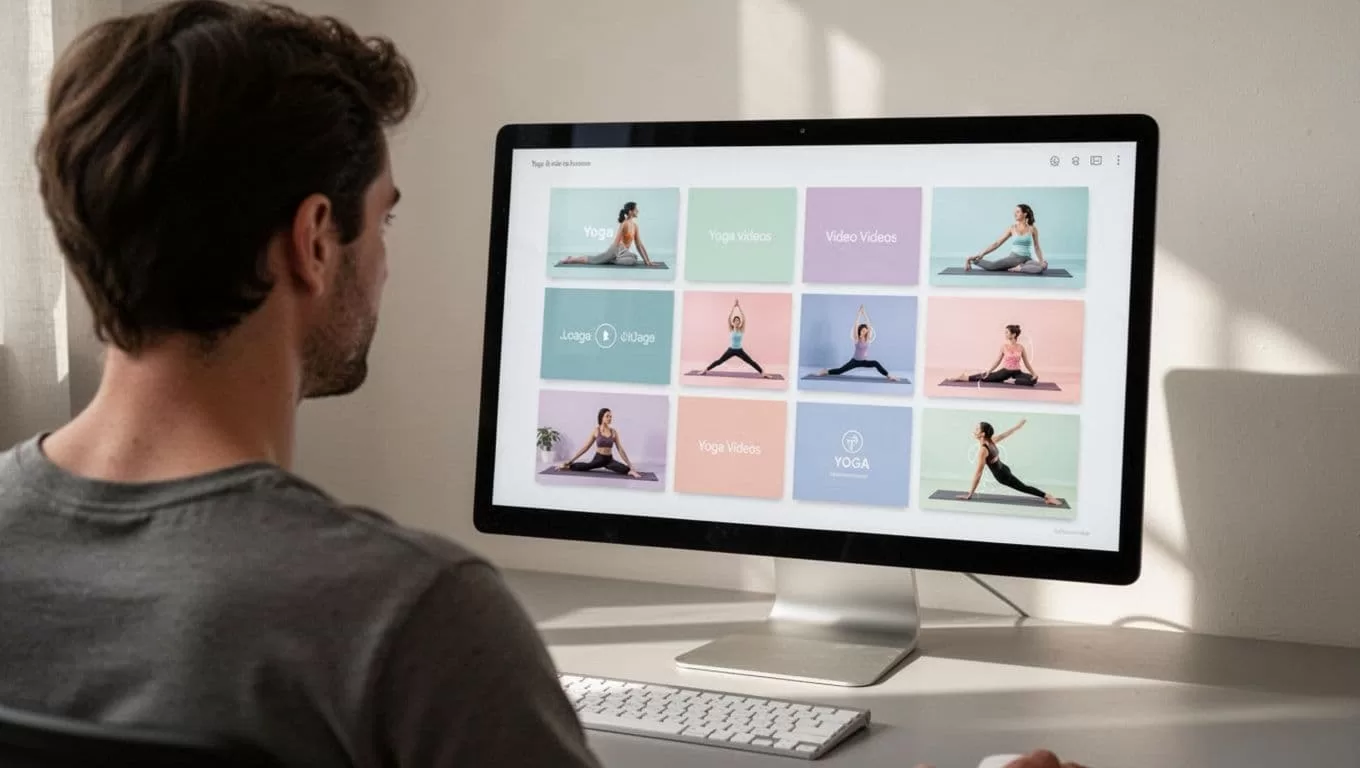
Track progress with simple checklists. “Did three sun salutes today?” Members mark off. Leaderboards rank completers.
For workshops, schedule events. A full moon yin session draws 40 sign-ups. Charge $27 each. Recaps go into the library.
How to create an online yoga course inspired my start. They suggest live tests first. I did that with 10 locals. Feedback sharpened everything.
No quizzes in Skool. Use Google Forms if needed. Link inside modules.
Programs like this turned one-off classes into steady income. Students renew because content grows.
Hosting Challenges and Workshops
Challenges boost excitement. My 21-day flexibility one fills fast. Post daily prompts: “Hold pigeon 30 seconds longer.”
Members share progress pics. Top posters win free months. Leaderboards fuel the fun.
Workshops fill weekends. I host “Backbend Breakthrough” for $47. Live via Zoom, replay in Skool. Chat follows for questions.
Announce in posts. Use polls: “What pose next?” That pulls input.
One challenge grew my list by 50. Grads joined paid tiers. Simple wins.
Building a yoga membership program online notes weekly lives work best. I agree. Mix with on-demand.
Challenges need prizes. Gift mats or sessions. Keeps momentum high.
Boosting Member Engagement and Accountability
Engagement drops without nudges. I post three times weekly. Mix tips, polls, and wins.
Direct messages help stragglers. “Missed last flow? Here’s the link.” Personal touch retains 80% yearly.
Groups within groups work. Beginners chat separately. No overwhelm.
Accountability buddies pair up. Weekly check-ins via posts. I spotlight pairs monthly.
Polls gauge needs. “More restorative?” Results shape next courses.
This mirrors importance of an online community for your yoga studio. Daily check-ins build bonds.
For how to launch a Skool community, start small. My first 20 became advocates.
Engaged members refer friends. That’s free growth.
Setting Up Payments and Client Communication
Monetize smart. Free tier hooks browsers. Paid unlocks courses and lives.
Tiers: Basic ($29) for library. Premium ($79) adds chats and calls.
Stripe handles upsells. I email promos via Skool blasts.
Communication stays inside. No inbox flood. Notifications ping phones.
Track churn. Low posters get invites to re-engage.
In 2026, this setup nets me $5K monthly. Beats studio rent.
Key Takeaways for Your Yoga Studio
Skool simplified my online shift. Community feeds, courses, and payments align perfectly for yoga.
Start with categories and a welcome post. Add courses next. Challenges seal retention.
You gain control without tech headaches. Members stay because they connect.
Try the free trial. Build that first post today. Your studio waits online.

