Build an Online Community Using Skool That Lasts
A community can feel like a campfire or an empty room. The difference is rarely the platform alone. When I build a Skool community, I don’t start with menus or colors. I start with one result people want badly enough to show up for. O...

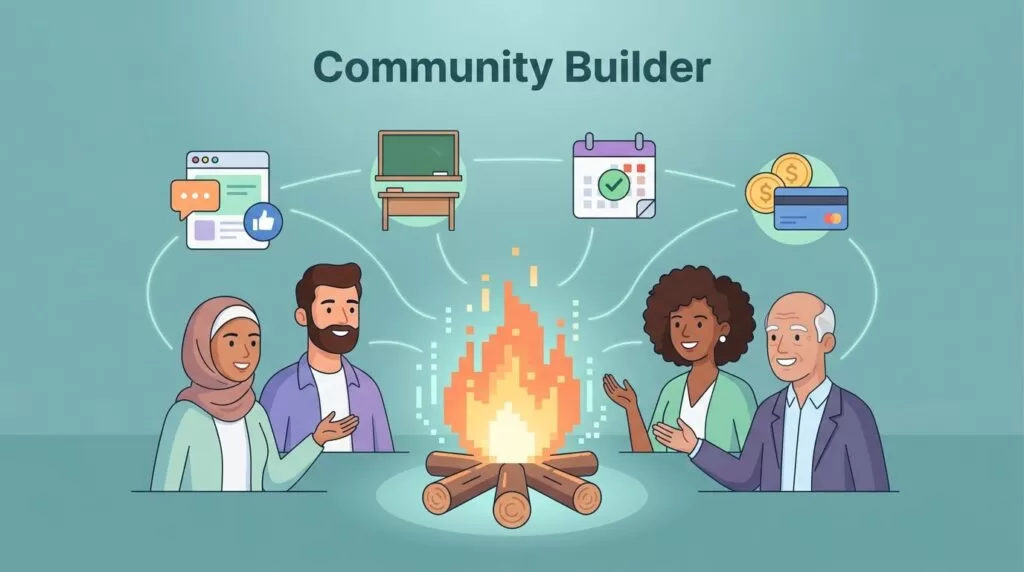
A community can feel like a campfire or an empty room. The difference is rarely the platform alone.
When I build a Skool community, I don’t start with menus or colors. I start with one result people want badly enough to show up for. Once that promise is clear, Skool gives me one home for discussion, courses, events, and payment. That’s what makes it useful for creators, coaches, educators, and membership owners who want less tool sprawl.
Why Skool fits modern community businesses
When I compare community platforms, I want one home, not five tabs stitched together. That’s where Skool works well. It brings the feed, classroom, calendar, member profiles, direct messages, and checkout into one place.
As of March 2026, the platform gives me more room to build than it did a year ago. I can host videos natively inside Skool. I can also drip lessons over time, unlock content by member level, and run live events without pushing people into another app. Recent updates also support subscription tiers and one-time course purchases, which makes monetization far more flexible. Because members can use the iOS and Android apps, they can reply, watch lessons, and join events from their phone.
I still bring members from email, YouTube, LinkedIn, or podcasts, because audience fit matters more than software. Still, if I want a clear example of how founders grow from zero, this community launch plan is a helpful companion.
Set up your Skool community around one clear result
When I build a Skool community, I name the result before I touch settings. People don’t join software. They join progress. A coach sells accountability. An educator sells a path. A membership business sells momentum and shared support.


Then I set up the core pieces in this order:
- Define the promise: I write one sentence that says who it’s for, what they get, and what first win they should expect.
- Build a short onboarding path: I pin a welcome post, a start-here lesson, and one easy action, like posting an intro.
- Create only a few categories: Too many rooms make the place feel empty. I start small, usually with wins, questions, resources, and announcements.
- Map the Classroom to milestones: New members need a runway, not a content dump.
For example, if I run a paid group for agency owners, my first week might include a welcome video, one lead-gen template, and a live office hour. In a data-skills community, I might open only week one lessons, then drip the rest so people don’t binge and vanish.
I’d rather launch with 20 good-fit members than 200 casual signups. Behind the scenes, I also keep my team organized with Google Workspace collaboration for remote teams, especially when staff members help with support, assets, or event prep.
Boost engagement before you add more content
Most communities don’t fail because they lack lessons. They fail because the feed goes quiet. When the room feels still, new members assume nobody will notice them, and they slip out the side door.

I use a few simple triggers to keep motion going:
- Fast prompts: I ask for one quick reply, such as a win, a roadblock, or a screenshot.
- Useful gamification: Points and levels matter when they unlock something members want, like a bonus workshop or template pack.
- A live rhythm: Weekly office hours, hot seats, or teardown calls give the community a heartbeat.
- Visible member wins: I welcome newcomers by name and spotlight small progress early.
More content doesn’t fix a quiet community. Better reasons to reply do.
Skool helps here because events sit on the calendar, reminders follow members into their time zone, and lesson comments can stay tied to the teaching. Mobile push notifications also pull people back into the conversation. If I need a second opinion on what keeps members active, this Skool community best practices guide lines up with what I’ve seen work: clear norms, fast feedback, and a steady posting rhythm.
Monetize with tiers, events, and clean retention loops
When I charge for a Skool community, I want the offer to feel like a ladder, not a locked door. Subscription tiers make that easier. I can keep a free or low-cost entry point, then add paid access for deeper support, private calls, or premium coursework. One-time course purchases also help when someone wants training before they commit to a monthly plan. Because payments run through Stripe, checkout feels familiar for most buyers.

Coaches can sell a base membership with weekly Q&A, then a higher tier with small-group calls. Educators can offer free discussion, then paid cohort lessons inside the Classroom. Meanwhile, membership businesses can bundle templates, recordings, and monthly workshops into one recurring offer.
Retention starts with early wins. I try to give every new member a result in the first seven days. That could be a finished worksheet, a posted introduction, or feedback on a first project. After that, I keep the calendar steady and the next step obvious. For paid files that live outside the platform, I also use secure document sharing in Google Workspace so private resources stay under control.
An online community isn’t a shelf for content. It’s a room with momentum.
When I keep the promise clear, the onboarding short, and the rhythm steady, a Skool community starts to feel alive.
Start smaller than you think, publish the welcome post, and give your first members a reason to speak today.

