Scale an Outbound Recruiting Strategy with Recruit CRM
Outbound recruiting falls apart when it lives in spreadsheets, inbox flags, and memory. I learned that the hard way. Once I treated it like a system, I could reach more candidates without turning every week into chaos. A strong outbound rec...
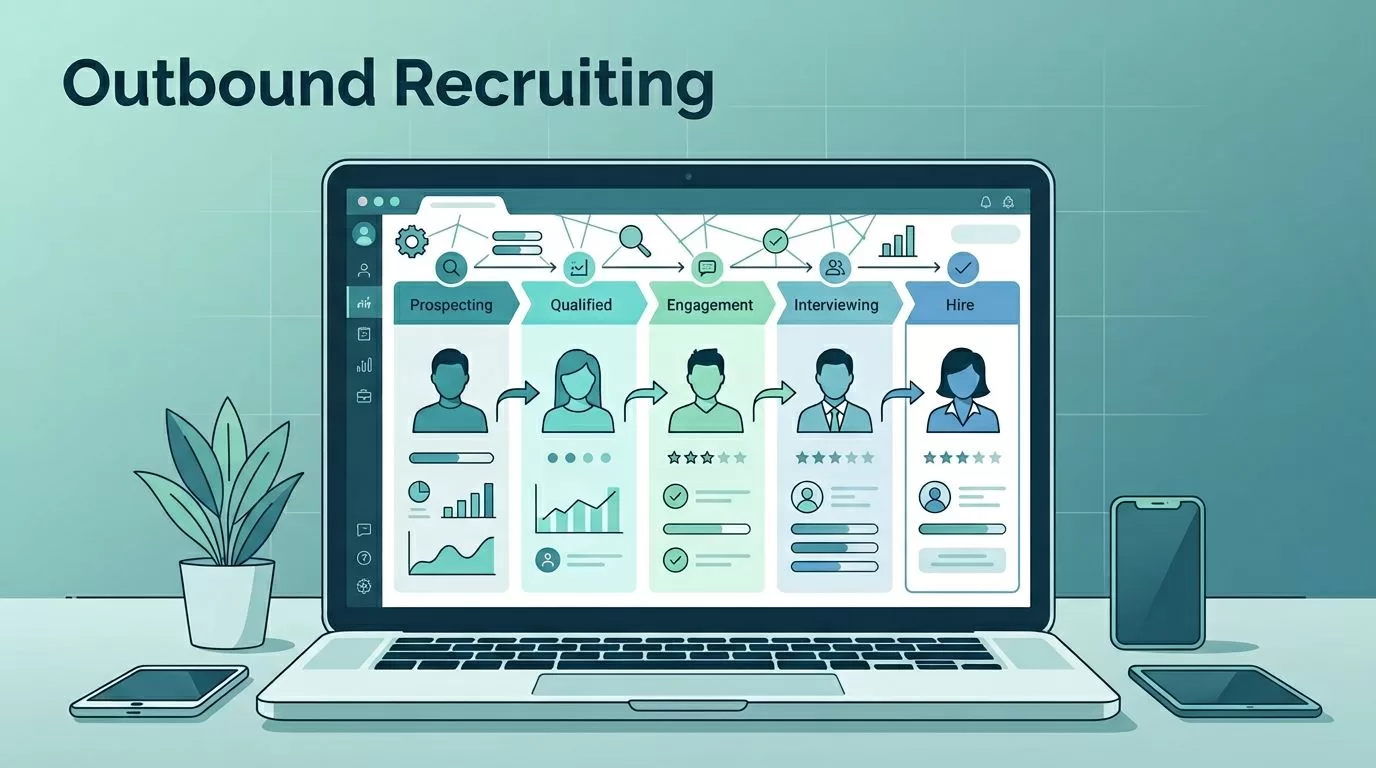
Outbound recruiting falls apart when it lives in spreadsheets, inbox flags, and memory. I learned that the hard way. Once I treated it like a system, I could reach more candidates without turning every week into chaos.
A strong outbound recruiting strategy needs clean data, sharp segments, and follow-up that never slips. Recruit CRM helps me keep those pieces in one place, so I spend less time searching and more time speaking to the right people.
That matters in 2026 because candidates expect relevance, speed, and a message that sounds like it was written for them. I use Recruit CRM to keep the process disciplined without making it robotic.
Build a single source of truth for candidate data
When I set up a new outbound motion, I start with the Recruit CRM setup to boost placements. Structure comes before volume. If the database is messy, every campaign becomes guesswork.
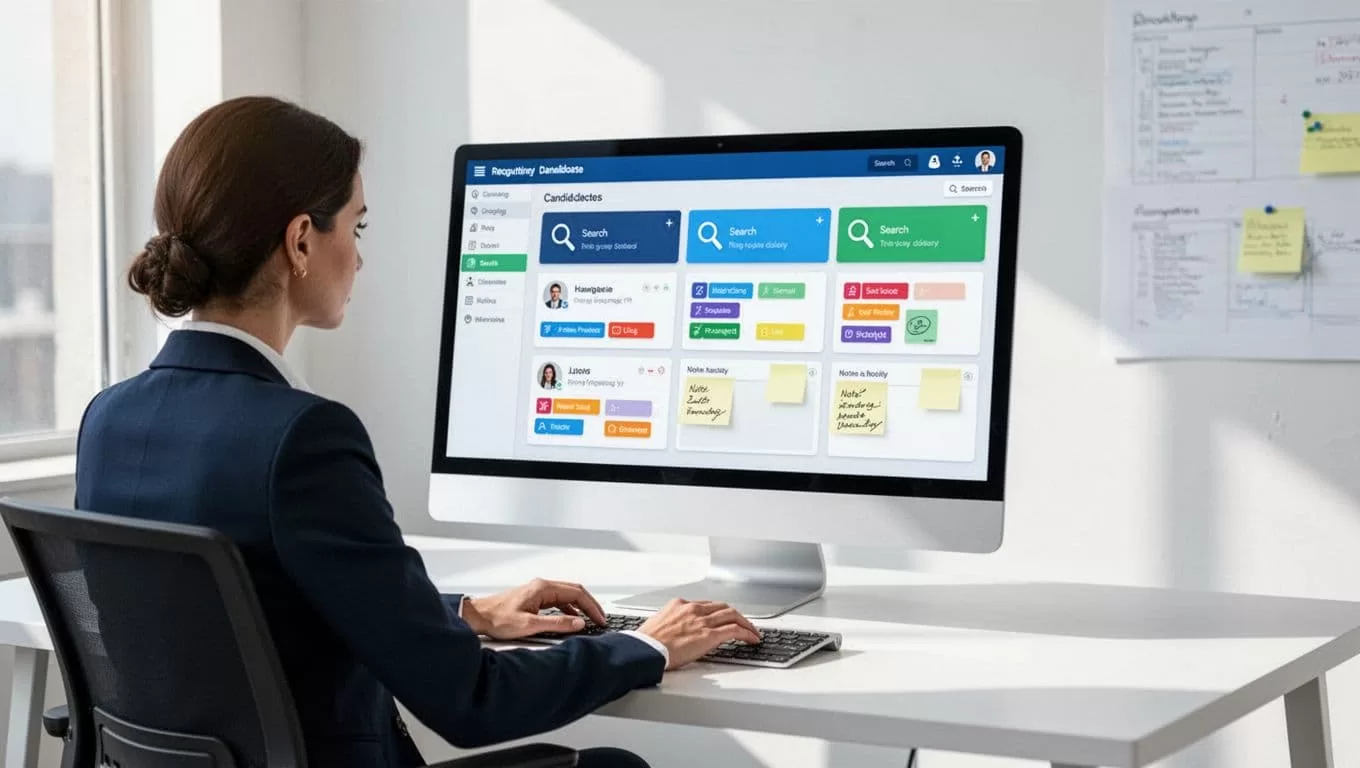
In Recruit CRM, I want every profile to tell me the same story fast. I tag candidates by role family, seniority, location, skill set, and source. I also keep notes on last touch, salary range, and referral history. That makes it easier to revive cold leads later without guessing why they went quiet.
For a quick framing of why this still matters, I like inbound vs outbound recruiting in 2026. Outbound works best when I can move beyond job-board traffic and reach people who are already doing the work somewhere else.
I also keep duplicates under control. A duplicate profile does more harm than a missing one because it breaks trust in the whole database. Clean data makes every later step easier, from targeting to reporting.
Segment the market before I send a single message
I do not start with the message. I start with the segment. If I know who I want, I can write better copy and avoid wasting touches on the wrong people.
Recruit CRM recruitment workflows help me turn that logic into repeatable action. I build saved views for each niche, then route the right candidates into the right outreach path. One view might be senior Java engineers in Chicago. Another might be contract finance managers in life sciences. The point is focus.
If I cannot explain the segment in one sentence, I do not send the campaign.
I also pay attention to skills, not just titles. In 2026, title matching alone misses too much. A person with adjacent skills can be a stronger fit than a perfect title match with weak depth. That is why I review portfolios, project lists, and tool experience before I write.
A cleaner list also improves reporting. The recruitment outbound playbook shows how enrichment and reporting depend on good source data, and I see the same thing in Recruit CRM. Better segments create cleaner results, which makes it easier to know what to scale next.
Build outreach cadences that feel human at scale
Once the segment is ready, I map the cadence. I keep it short and clear. Four touches usually beat one long burst.
My base rhythm looks like this:
- Day 1, send a short email with one clear reason to talk.
- Day 3, follow up on LinkedIn with a smaller ask.
- Day 6, send a second email with one extra detail.
- Day 10, close the loop politely and move on.
I use step-by-step email automation in Recruit CRM to keep that rhythm consistent. Automation helps me stay on time, but I still write the first message with care. Personalization at scale works when I reference the right mix of role, industry, recent project, or skill path. It fails when I stuff in fake flattery.
In 2026, I keep the copy short. Candidates scan fast, especially passive ones. A strong opener, a clear reason, and a clean next step work better than a wall of text. I also vary the channel mix. Email starts the conversation, LinkedIn reinforces it, and SMS can work later for warm prospects.
Keep pipelines visible for the whole team
Outbound gets messy when only one recruiter knows where things stand. I fix that with shared pipeline stages, clear ownership, and simple rules.

In Recruit CRM, I want each candidate to have one owner and one next step. That keeps work from slipping through the cracks. If a candidate is waiting on a reply, I assign a follow-up task. If a recruiter hands off a lead, the notes should already tell the story.
I also like stage-based reminders. When someone moves from sourced to contacted, the next action should be obvious. That keeps the team moving without constant check-ins. It also helps agency owners see bottlenecks fast. If one stage piles up, I know where the process is weak.
Collaboration gets easier when everyone works from the same board. Recruiters stop asking where a candidate lives in the funnel, because the funnel is right there.
Track outreach performance like a revenue channel
I treat outbound like a measurable channel, not a hope-driven activity. If I cannot tie effort to outcomes, I cannot scale it with confidence.

The metrics I watch most are simple:
- Reply rate, because it shows whether the message lands.
- Positive reply rate, because interest is better than opens.
- Meetings booked, because that shows real movement.
- Stage conversion, because weak segments show up here fast.
- Time to first response, because slow follow-up kills momentum.
Recruit CRM gives me a place to compare those numbers by recruiter, role type, and segment. That is where the real learning happens. A campaign that looks busy but books no calls is just noise. A smaller list with strong conversion is worth more than a giant one that burns time.
If a campaign underperforms, I check the segment first, then the subject line, then the cadence. I rarely blame the whole system right away.
Common mistakes that slow outbound recruiting
The biggest mistake I see is over-automation. A message that feels copied and pasted gets ignored fast. The second mistake is weak segmentation, because broad lists hide poor targeting. I also see teams skip reporting, which means they repeat the same bad pattern for months.
Another problem is slow handoffs. If a recruiter finds interest but no one follows up, the pipeline leaks. Finally, some teams try to scale before they clean the database. That is like painting a wall before the plaster dries.
Conclusion
Outbound recruiting scales when the process is tight and the message still feels personal. Recruit CRM helps me keep candidate data clean, automate follow-ups, manage shared pipelines, and track what actually works.
That is the real shift. I am not trying to send more messages for the sake of volume. I am trying to build a system that lets the right message reach the right person at the right time.
When that part works, outbound stops feeling like guesswork and starts feeling like a repeatable operating model.
