How I Choose a Podcast Platform for Brands on Transistor.fm
Brands do not need a podcast host that tries to do everything. They need one that keeps shows organized, gives clear data, and stays out of the way. When I size up Transistor.fm, I look for fit first. One account can hold multiple shows, pr...
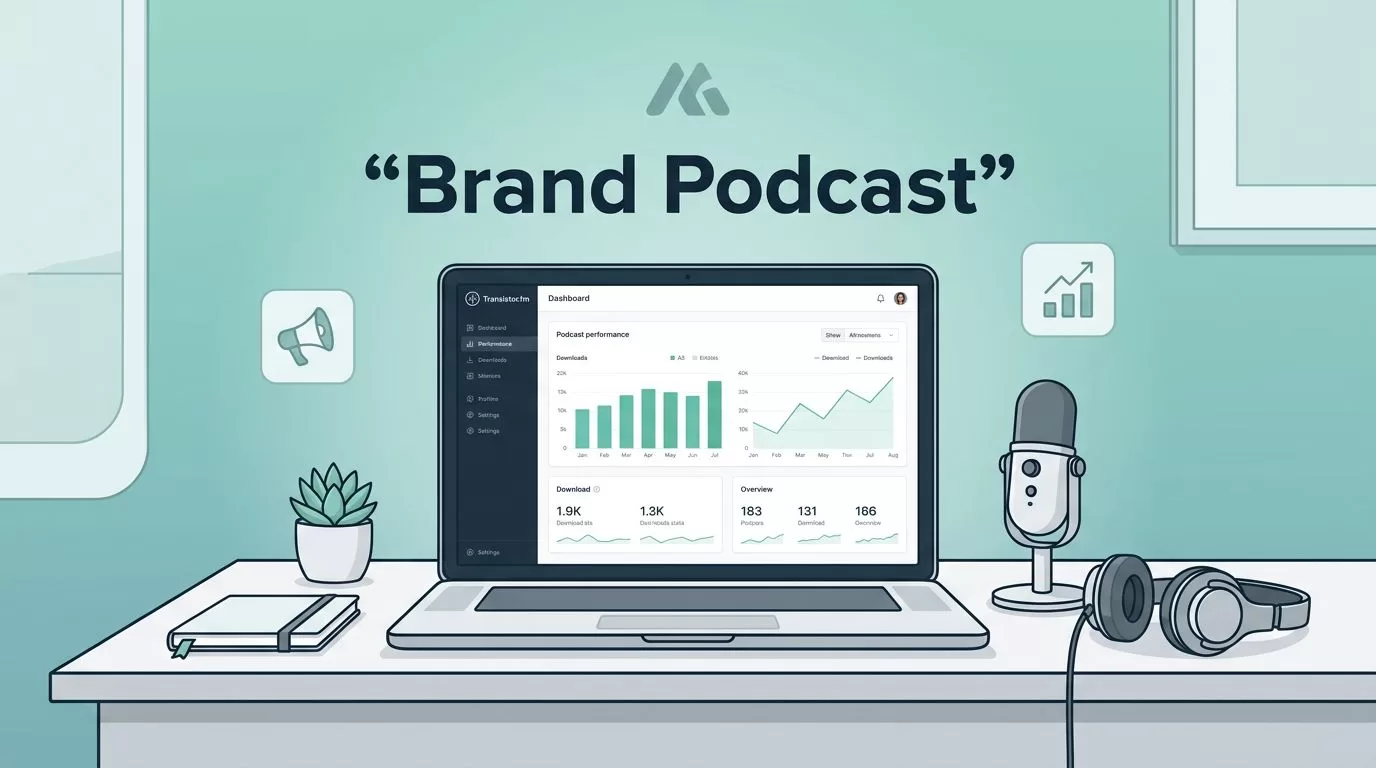
Brands do not need a podcast host that tries to do everything. They need one that keeps shows organized, gives clear data, and stays out of the way.
When I size up Transistor.fm, I look for fit first. One account can hold multiple shows, private feeds, and team members, which matters when a podcast becomes part of a wider marketing plan.
If the host creates extra work, the team feels it fast. So I start with the parts that affect daily use, not the shiny extras.
Why Transistor.fm fits brand podcasts
Transistor is built for teams that want a clean setup and room to grow. I like that each podcast gets its own RSS feed, website, and analytics page. That structure makes a brand network easier to manage.
It also matters that Transistor now supports video podcasting in 2026. I can keep audio and video in one place, then publish to the platforms that matter for the show. For brands, that means fewer handoffs and fewer places to lose track of assets.
The official Transistor’s features page shows the core pieces I care about most, private podcasts, a website builder, dynamic ad insertion, YouTube posting, and email integrations. Those are the parts that shape day-to-day work.
For brand podcasts, I want one home for public shows, private feeds, and a small team.

That kind of setup is useful when I need a simple backend and a strong front door for listeners. It is also why I keep host multiple podcasts affordably in mind when a brand expects the content stack to expand.
What I compare before I choose
I compare four things before I commit.
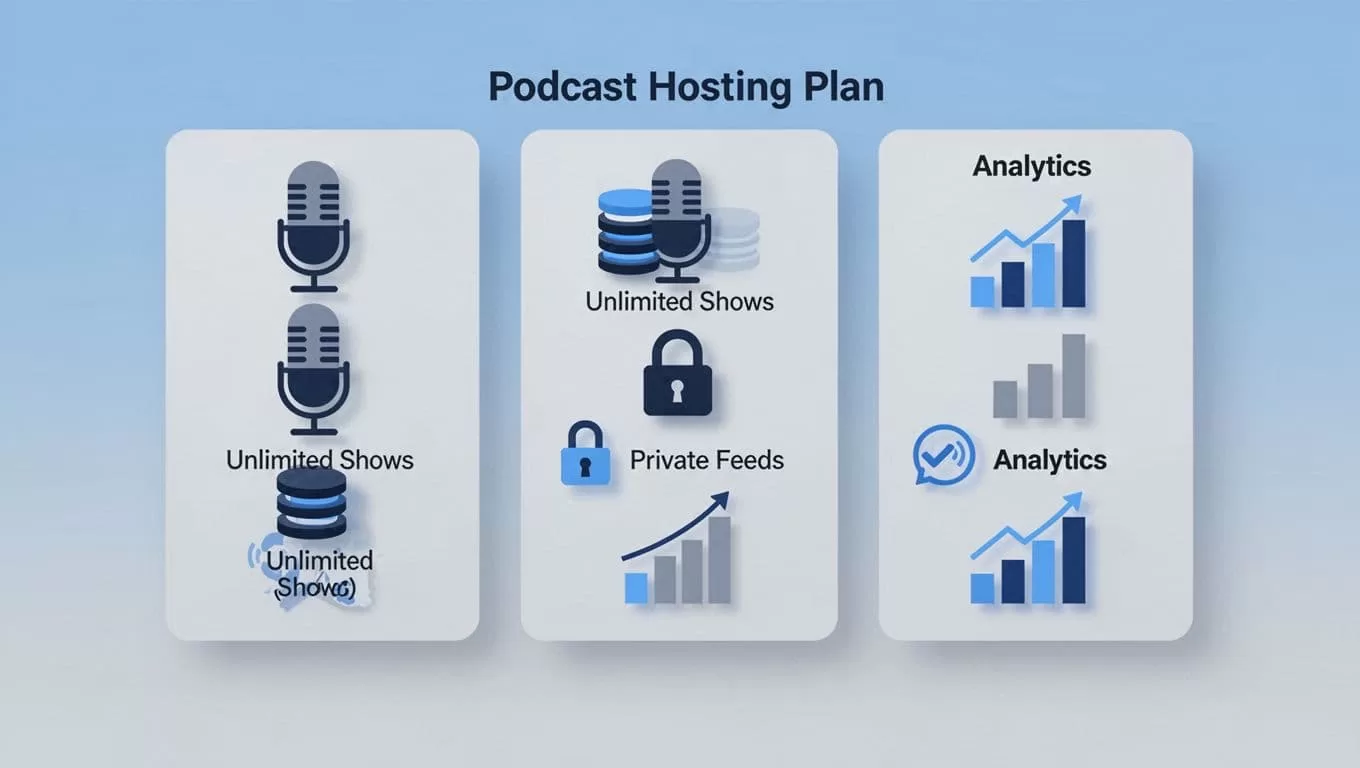
- Multiple shows and collaborators matter because brands rarely keep one show forever. Transistor includes unlimited podcasts and unlimited team members on every plan.
- Private access matters for employee briefings, client-only content, or paid communities. Transistor supports private podcasts across tiers, and the listening experience now reaches Spotify too.
- Analytics matter because I need more than raw download counts. I want to know which episodes hold attention and which ones fade early.
- Integrations matter because the show has to fit the rest of the stack. I look for email tools, YouTube posting, and basic automation.
I also check the plan limits on the Transistor pricing page. The current structure is simple:
| Plan | Monthly price | Monthly downloads | Private subscribers | Best fit |
|---|---|---|---|---|
| Starter | $19 | 20,000 | 50 | Small brand shows and pilots |
| Professional | $49 | 100,000 | 500 | Growing teams and ad use |
| Business | $99 | 250,000 | 3,000 | Larger networks and less platform branding |
All plans include unlimited podcasts and team members. That is the part I care about most when I expect the podcast program to grow over time.
Business also removes Transistor branding, which helps when the podcast needs a more polished public face. For a brand, that can matter as much as download volume.
Where Transistor.fm fits best
I see the strongest fit in four brand setups.
| Brand setup | Why Transistor works well |
|---|---|
| Marketing team with one flagship show and a customer series | Separate feeds keep each show clear, while one account keeps admin simple |
| Agency managing several clients | Team access and separate show pages help keep work tidy |
| Internal comms or training | Private podcasts make it easy to share company-only audio |
| Multi-show brand network | Unlimited podcasts make it easier to add new series without rebuilding the stack |
That table is the real test for me. If a platform handles those use cases cleanly, it earns a closer look.
I also think about repurposing. A brand podcast usually needs clips, social posts, and newsletter material. Transistor handles hosting well, but it does not replace a clip workflow. When I need short-form output, I pair it with podcast-to-shorts pipeline so the show can feed other channels without extra friction.

That matters for agencies too. A client may want a polished podcast on one side and a steady clip stream on the other. I keep the host focused on delivery, then build the rest of the system around it.
The limits I keep in mind
Transistor is clean, but it is not a full content studio. I still need other tools if I want deep video editing, advanced clip generation, or a highly custom website.
The website builder covers the basics well, yet I would not pick it for a content-heavy brand site. I treat it as a practical podcast home, not a replacement for a full CMS.
I also watch the plan tiers closely. A show that grows faster than expected can move a team into a higher tier before year-end. That is normal, but it should be part of the budget conversation.
If I know the brand will depend on heavy repurposing, I do not expect the host to solve that problem alone. I want the host to be stable, clear, and easy to hand off.
How I decide before I buy
I usually ask myself five things before I choose Transistor for a brand.
- Do I need public shows, private shows, or both?
- How many shows will I manage in the next year?
- Will the team need shared access?
- Do I need video podcast support now, or later?
- Does the budget still make sense at a higher download tier?
If the answers point to multiple shows, private access, and a lean workflow, Transistor usually stays on the shortlist.
Conclusion
I choose Transistor.fm when I want one host that can handle multiple brand shows, private feeds, and clear analytics without dragging the team into a messy setup. That balance matters more than any single feature.
It fits marketing teams, agencies, and companies that need both public reach and internal access. The best choice is the one that keeps the podcast moving without turning it into another system to babysit.
