Automating Industry Intelligence: How to Set Up News Aggregation Automation with Twin.so
Checking five different industry blogs every morning wastes hours of valuable operating time. You need a reliable system that pulls fresh announcements while you focus on execution. Deploying news aggregation automation eliminates manual br...
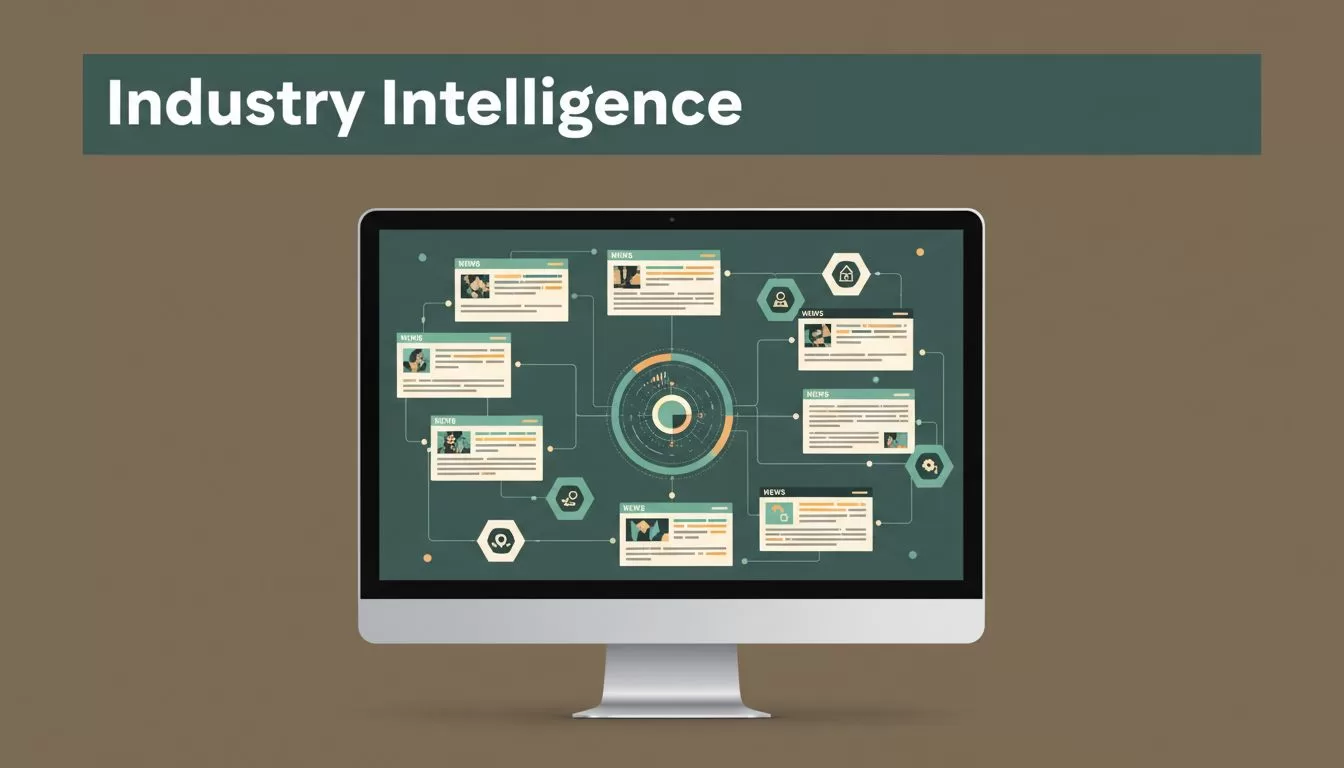
Checking five different industry blogs every morning wastes hours of valuable operating time. You need a reliable system that pulls fresh announcements while you focus on execution. Deploying news aggregation automation eliminates manual browser tabs and delivers curated intelligence straight to your team workspace. Here is how you build an autonomous monitoring pipeline using Twin.so.
Why Manual News Monitoring Drains Team Resources
Marketing, PR, and operations teams live on timely information. You track competitor product launches, regulatory updates, funding announcements, and journalist mentions across dozens of web portals. Doing this by hand requires endless context switching. Your team opens twenty browser tabs, skims repetitive headlines, and tries to copy relevant links into shared documents.
This manual routine creates severe operational drag. Team members miss critical announcements because they check feeds at the wrong hour. Valuable hours vanish into routine scrolling instead of strategic analysis. When market shifts happen overnight, your team learns about them days later. You need a programmatic approach that watches target sources continuously without human intervention. Automated monitoring ensures your analysts spend time acting on insights rather than hunting for them.
Core Capabilities Required for News Aggregation Automation
Standard RSS readers only work when websites provide clean syndication feeds. Many target portals, closed databases, and competitor pricing pages lack standard feeds entirely. Twin.so solves this limitation by combining API integrations with browser automation agents. An AI agent acts like a virtual operator that visits target websites, logs into gated portals, extracts raw text, and structures the findings according to your exact rules.
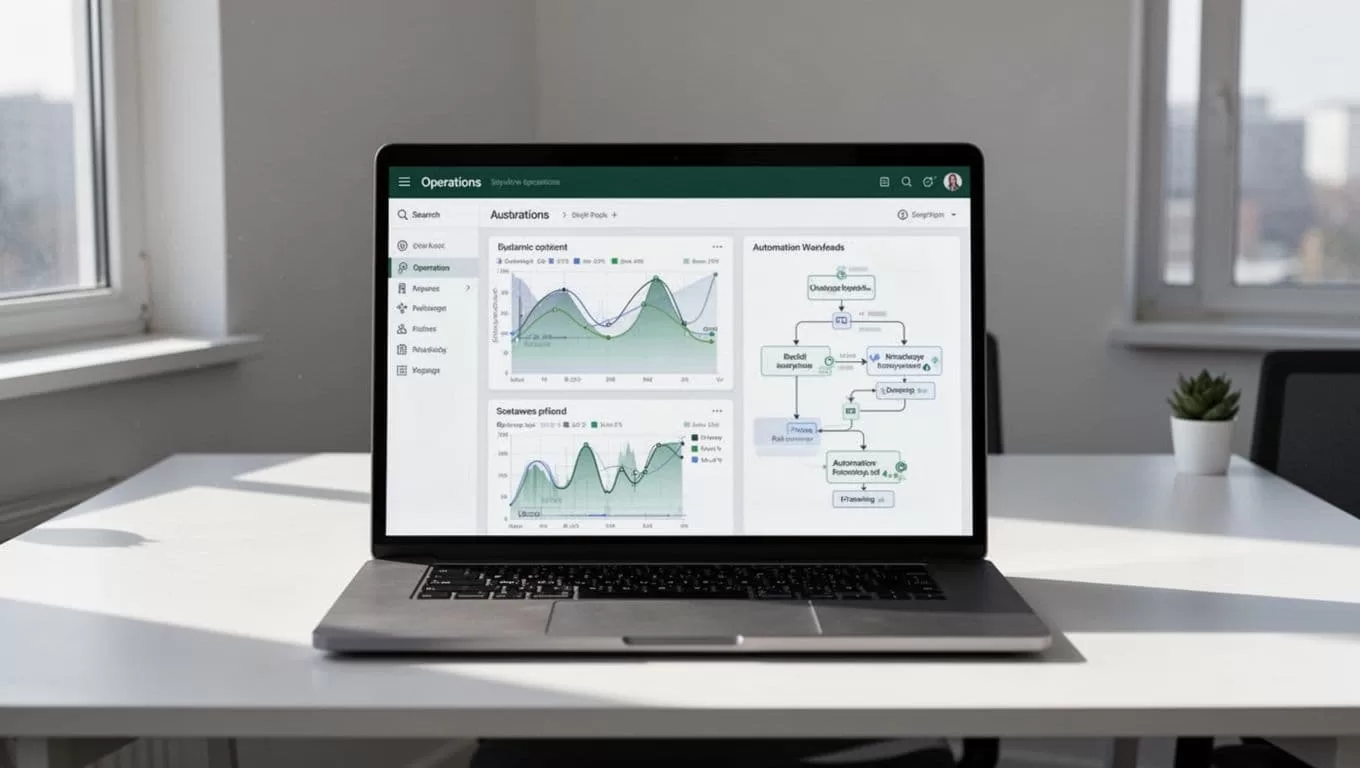
The platform supports thousands of native application connections alongside a flexible REST API. When an official API is available, Twin connects directly to pull structured data. When an API does not exist, the browser agent navigates the web interface just like a human analyst. This dual capability ensures your news aggregation automation pipeline never stalls due to technical restrictions on target websites. You gain reliable data extraction from any digital asset you have permission to access.
Step-by-Step Build Plan for Your First News Agent
Building your first autonomous news workflow takes less than twenty minutes when you follow a structured build plan. You start by defining the target sources and setting a precise execution schedule. Open your Twin dashboard and create a new agent project. Give your agent a clear objective such as scanning industry publications every morning at eight o’clock.
Next, define your data ingestion sources. You can configure your agent to check general media repositories like Google News for broad industry trends or point it directly at specific competitor blog URLs. Instruct the agent to extract headline text, publication timestamps, and article abstracts. Clear source definition prevents the agent from returning junk data or irrelevant promotional content.
Configure extraction rules next. Tell the agent exactly which keywords matter to your business model. If your company focuses on supply chain logistics, instruct the agent to discard articles that lack supply chain keywords. This filtering step keeps your database clean and reduces noise before the summarization phase begins. You control every parameter from input frequency to output formatting.
Structuring and Summarizing Ingested Content
Raw news text requires processing before your team can act on it. Reading full-length articles for every single market update defeats the purpose of automation. You need concise summaries that highlight core takeaways immediately. Configure your Twin agent to pass extracted article text through a summarization prompt before final delivery.
Instruct the agent to output a standardized format for every item. Require a one-sentence headline, a three-bullet summary of core facts, and a direct link to the source article. This structured format lets operators scan daily updates in under two minutes. For broader media intake, you can also ingest mainstream reporting streams like Fox News or ABC News when tracking macro economic factors that impact your market sector.
Consistent formatting accelerates team comprehension. When every briefing follows the exact same visual and structural pattern, your analysts spot anomalies instantly. They spend zero time deciphering unstructured walls of text or clicking broken links. Clean input produces clean operational decisions.
Routing Intelligence to Your Team Workspace
Collecting and summarizing intelligence means nothing if the output sits trapped inside an isolated database. You must route the processed briefings directly into your existing operational tools. Twin integrates with thousands of destinations, allowing you to push daily digests wherever your team already works.
Configure your agent to post finished digests into a dedicated Slack channel every morning. Alternatively, you can set the workflow to append every extracted news item into a structured Google Sheet or a Supabase database table for historical trend analysis. Some operations teams prefer trigger-based email summaries sent to executive stakeholders. By connecting your news aggregation automation setup directly to your communication stack, you ensure actionable insights reach decision makers instantly without manual forwarding.
Handling Edge Cases and Maintenance
Autonomous workflows encounter unexpected hurdles as target websites update their user interfaces or change security policies. Traditional scraping scripts break the moment a button moves or a class name changes. Twin features self-healing capabilities that adapt to minor layout shifts without crashing your entire pipeline. When a structural update exceeds automated repair thresholds, your agent should be configured to trigger an alert webhook to your technical operations channel. This immediate notification lets your developers intervene before executive reports arrive empty.
You still need to perform periodic audits of your active agents. Review your output logs weekly to verify that your data feeds return fresh results. If a target website implements strict bot mitigation or captcha walls, adjust your agent schedule or switch to official API endpoints where available. Maintaining a clean monitoring architecture protects your downstream reporting from stale or missing data. Proactive maintenance guarantees long-term workflow reliability.
Conclusion
Manual news gathering wastes valuable operating hours and exposes your business to missed market signals. Implementing Twin.so transforms your monitoring strategy from a reactive chore into an autonomous background asset. By defining precise triggers, enforcing strict keyword filters, and routing structured summaries directly into your team workspace, you eliminate information bottlenecks. Set up your first monitoring agent today and let automated workflows keep your team ahead of the market.
