


Navigating Stripe billing pricing in 2026 seems straightforward until I translate those numbers into a monthly operational budget. The public headline is 0.7% of billing volume on the pay-as-you-go pricing model, or a flat $620 per month on an annual plan, but those figures are merely the starting points. Once I factor in the costs

A monthly membership can look easy until renewal day. That is where sloppy setup shows up, usually as a failed charge, a confused member, or a plan that does not match the access I promised. I keep my MemberSpace setup plain for that reason. If the processor is connected, the plan is labeled well, and

A free trial should feel like a door that opens by itself and closes on time. When I set up a MemberSpace free trial, I want the signup, access control, reminder emails, and upgrade step to run without me chasing each person by hand. As of June 2026, MemberSpace’s own help docs show that I
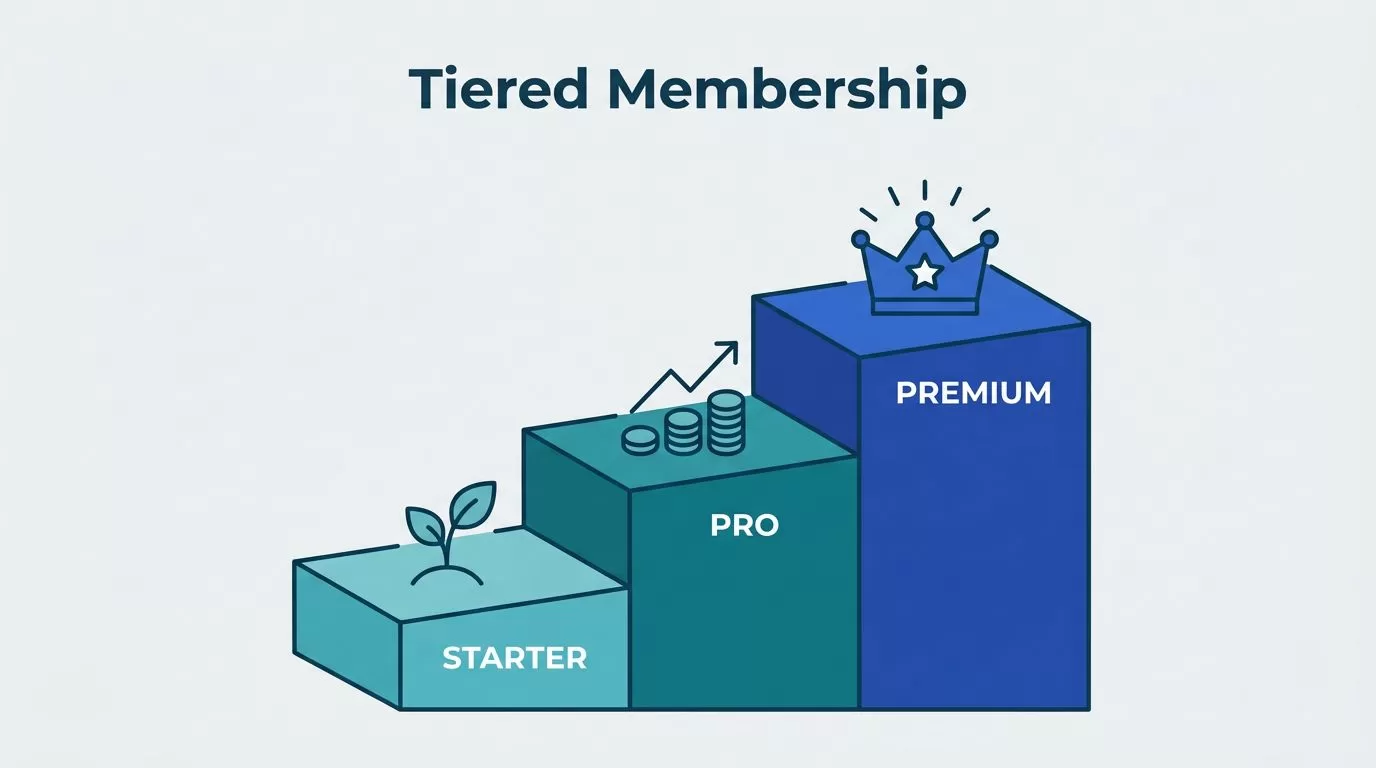
A one-price membership is easy to launch, but it often leaves money and clarity on the table. I prefer tiered membership levels because they let me match the offer to the buyer instead of forcing everyone into the same box. When I structure tiers well, the lower plan feels easy to join, the middle plan

The fastest membership sites do not start with fancy tech. They start with one clear promise and a simple way to pay for it. That matters when I’m building for creators, coaches, educators, or a small business that needs revenue soon. A MemberSpace membership site works best when I keep the offer focused, the access
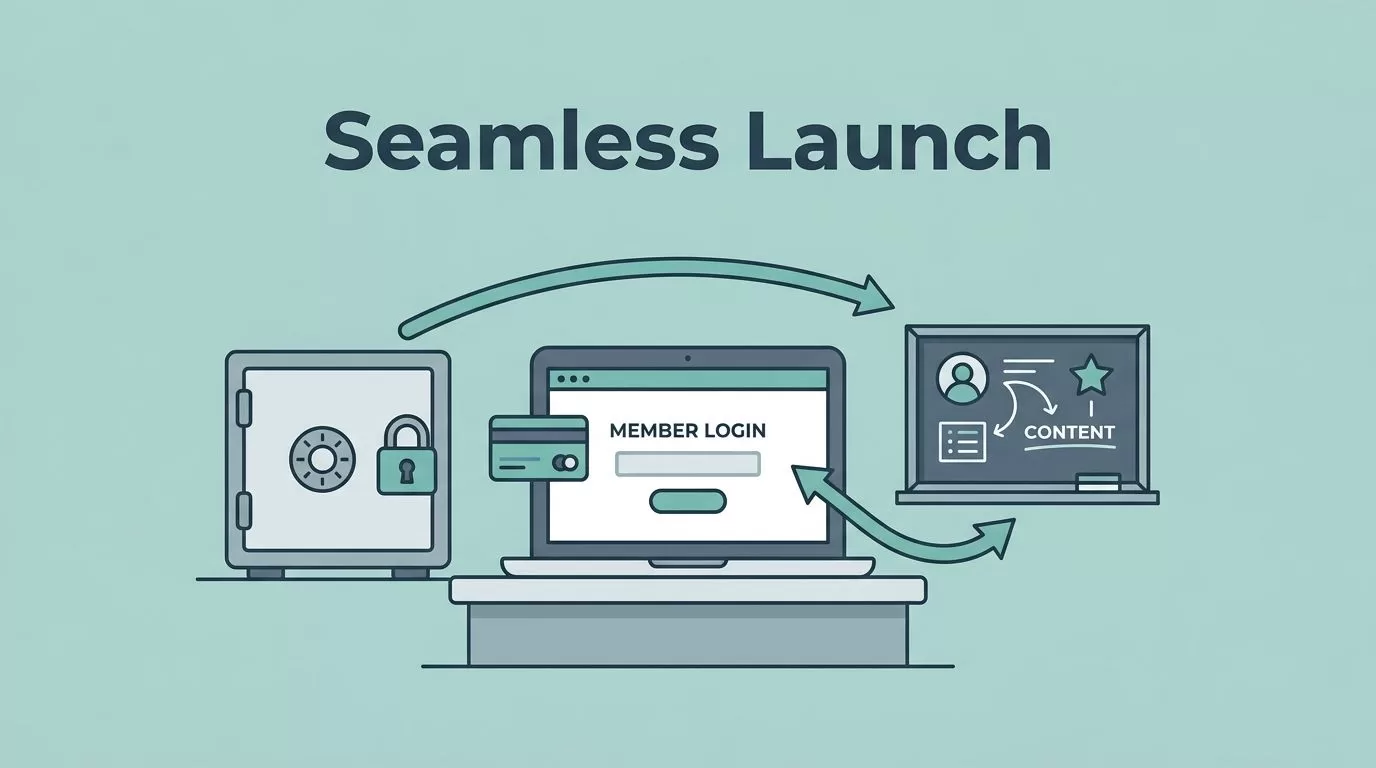
A membership site can grow fast, then turn clumsy even faster. Pages get buried, checkout gets confusing, and members start emailing basic questions you thought the site already answered. When I build a MemberSpace membership site, I treat it like a front desk, a vault, and a classroom at the same time. The software matters,
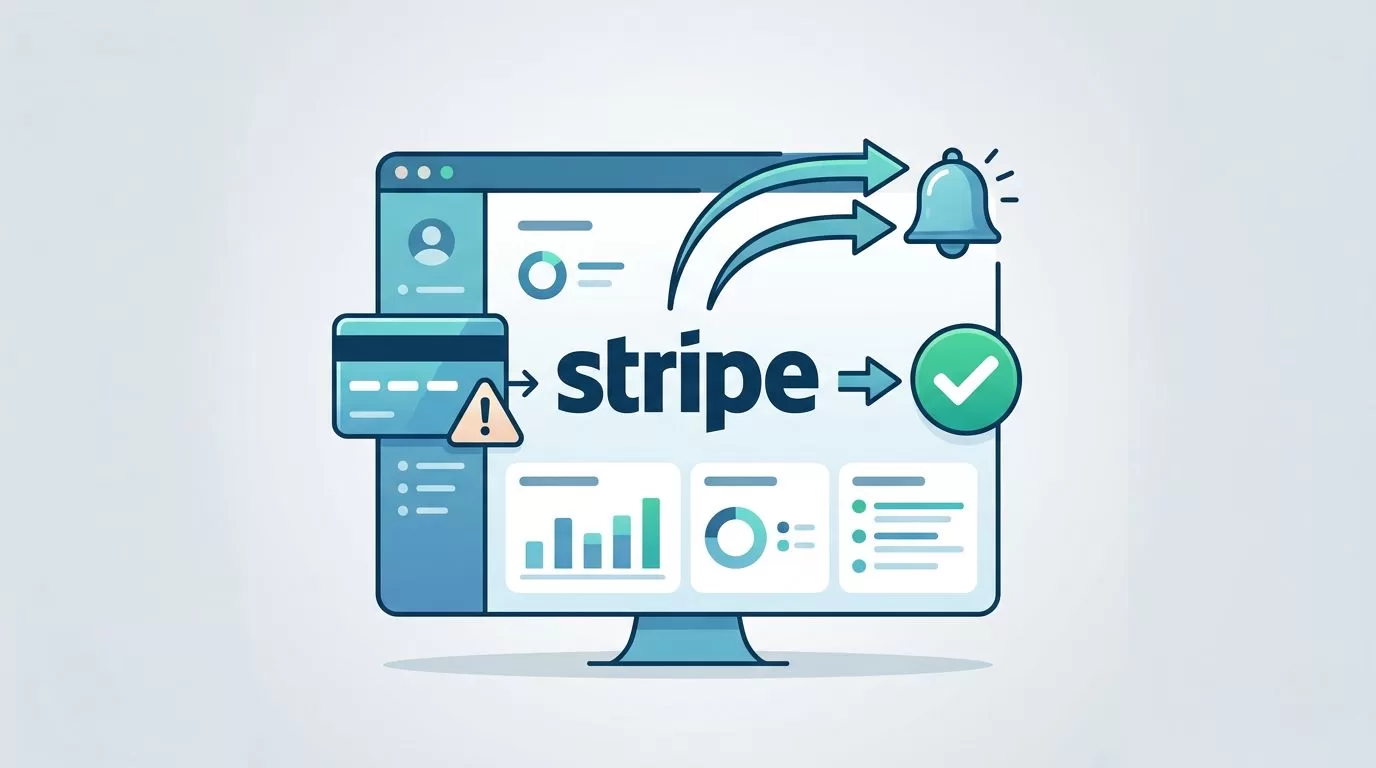
A failed Stripe charge can look small on a dashboard and still cost real money. One missed renewal, one ignored email, and a customer who meant to stay slips into involuntary churn. I use Baremetrics Recover when I want that gap handled without a manual chase. The charge fails, the follow-up starts, and the customer
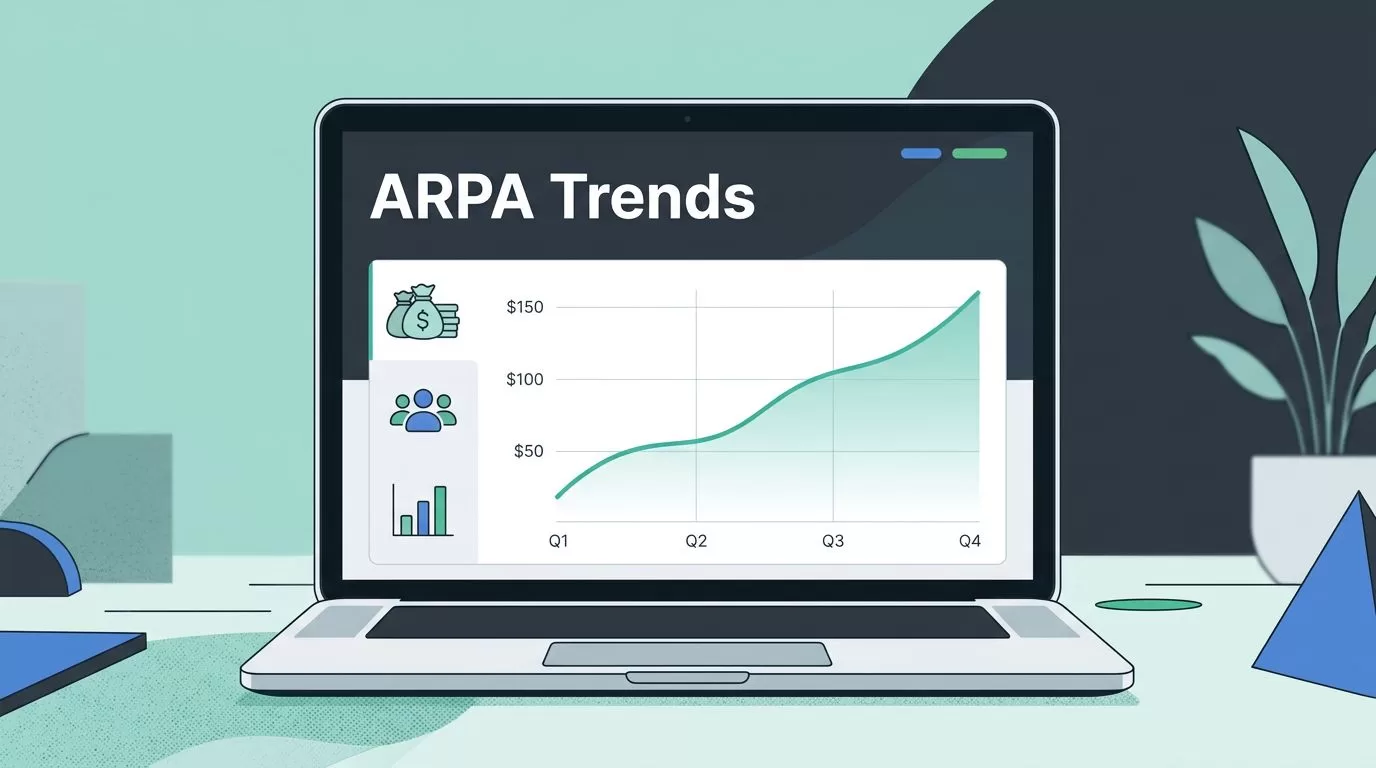
ARPA moves faster than most founders expect. One pricing change, one enterprise deal, or one wave of discounting can bend the line in a single month. I watch ARPA growth trends because the average tells me whether my revenue base is getting stronger or just getting bigger. If the number rises for the right reason,
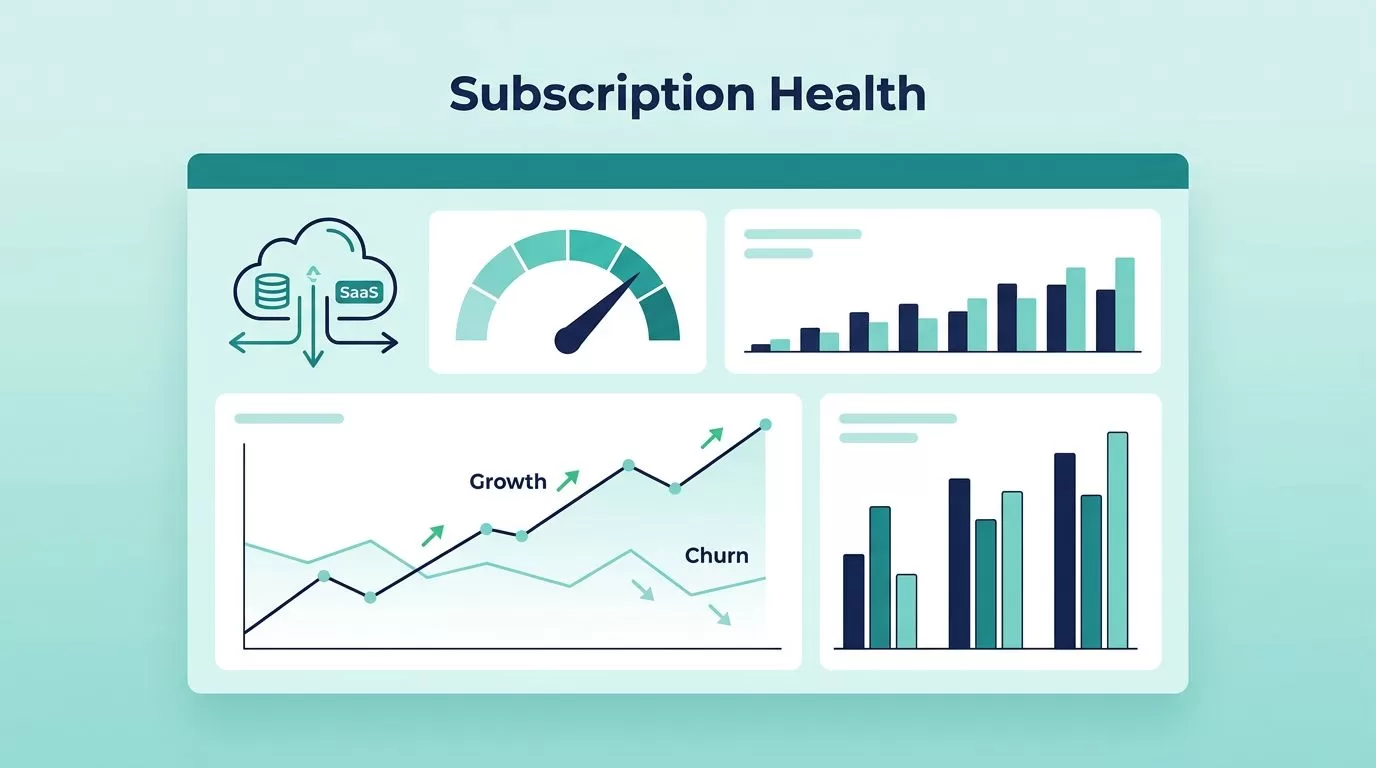
Recurring revenue can look healthy while the base leaks in quiet places. A few new signups can hide churn, failed payments, or a weak trial funnel. I use Baremetrics subscription health checks to see the real story behind the topline, then I act before the board deck gets messy. I start with the numbers that

