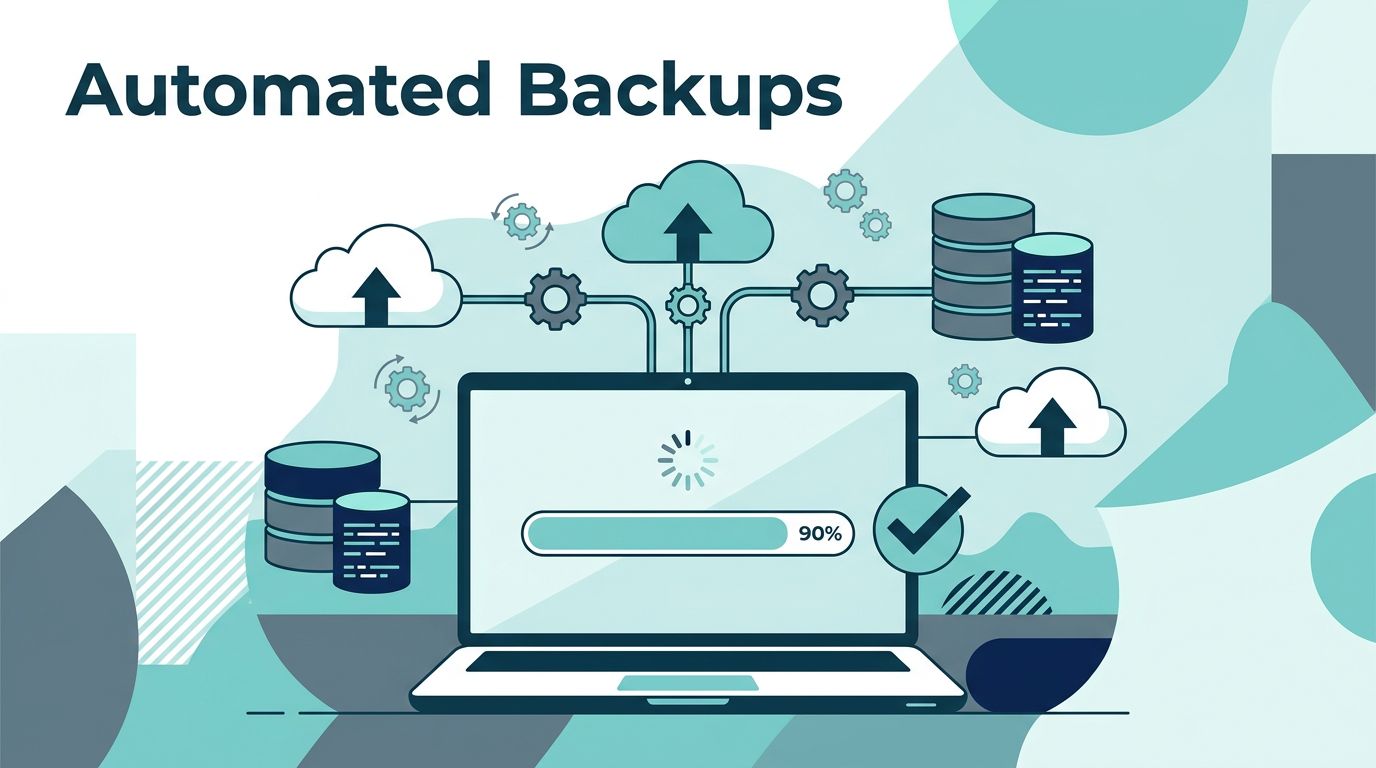

A database backup that never runs is the kind of problem you only notice on a bad morning. I do not want to find out at 4 a.m. that my last clean copy is stale or missing. Twin.so gives me a way to automate the repeat work around backups, like schedules, exports, file moves, and

Affiliate links fail in quiet ways. A page can still load, yet send readers to the wrong offer, the wrong country, or a dead end. I use Twin.so to catch those shifts before they turn into lost clicks and lost commissions. Twin.so is not a classic affiliate tracker. I use it as an agent layer
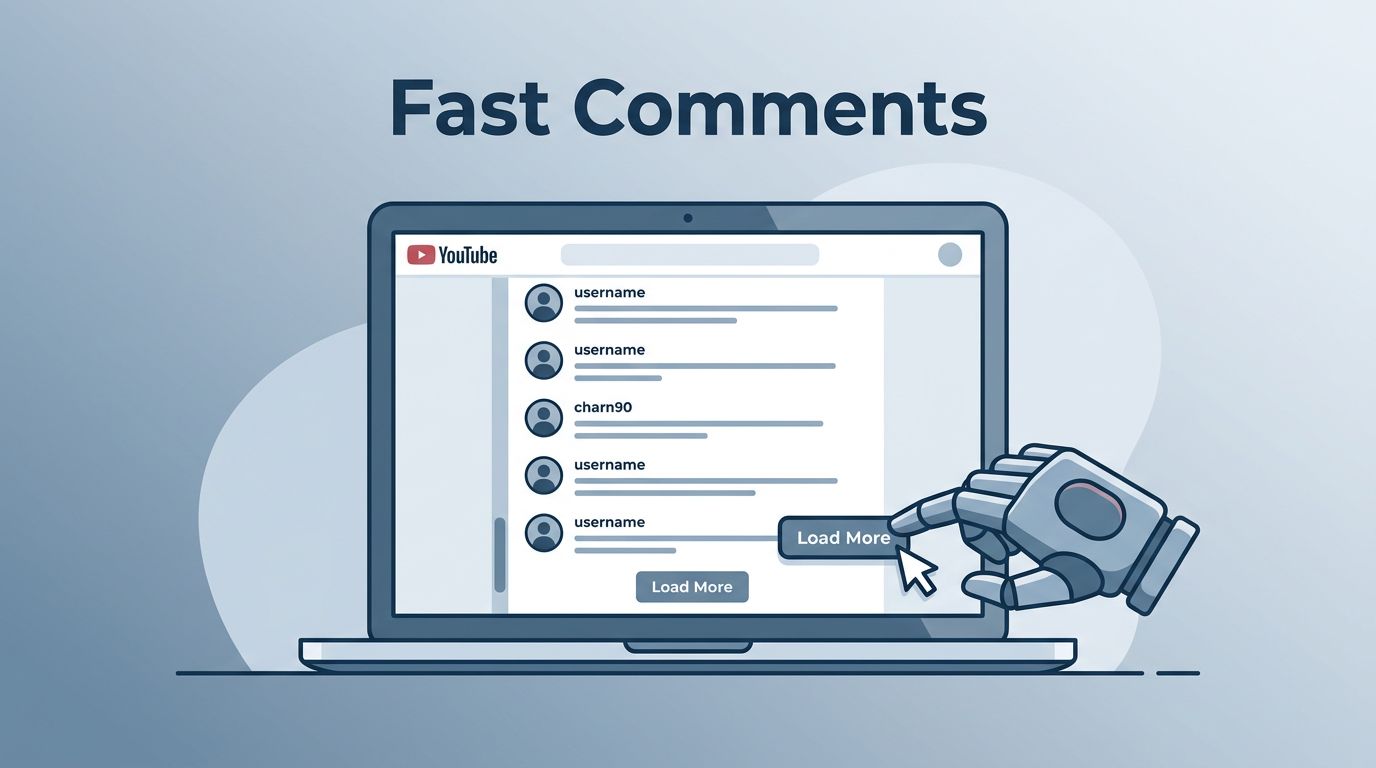
YouTube comments are one of the fastest ways I know to hear what people really think. They reveal praise, confusion, objections, buying intent, and the questions people ask when no one is pitching them. When I need that data in a hurry, copying comments by hand burns time and patience. Twin.so helps me scrape YouTube
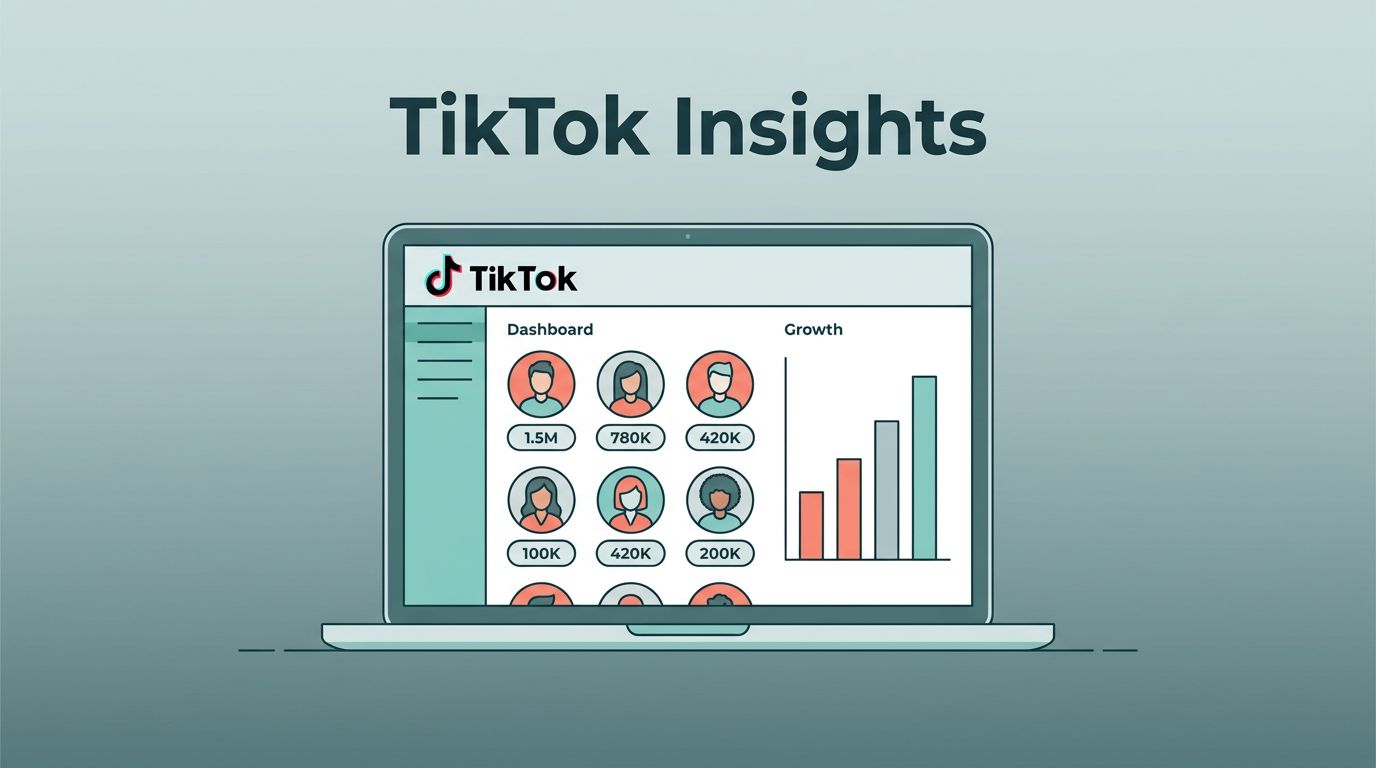
When I need a list of TikTok creators, I don’t start with a spreadsheet. I start with a question, because TikTok influencer scraping works best when I know what I want the data to answer. Twin.so gives that work a structure. I can pull public creator details into one place, sort them by niche or

If I run a small team in 2026, I care about two things first, how fast people can work together and how safe our mail is. That is why Google Workspace vs Proton Mail is such a real choice, not just a feature checklist. Google Workspace is the better default for shared docs, meetings, and

Business Standard is the default I would start with for most growing teams in 2026. Business Plus is the one I reach for when storage, compliance, device control, or bigger meetings matter more than the lower monthly bill. The gap is only $8 per user each month, but that gap grows fast across a team.

I checked Twin.so pricing in May 2026, and the first paid tier starts at $20 per month for 2,000 credits. The biggest public plan I found is $463 per month for 50,000 credits, while enterprise pricing stays custom. That sounds simple until you look at how the credits move. A short test can be cheap,

A YouTube automation channel works best when the machine is quiet and the content feels alive. I don’t try to automate taste or trust. I automate the dull, repeatable parts, because that’s where time disappears first. Twin.so fits that setup when I want a channel that can publish on schedule without turning into a content

Feedback piles up fast. A form submission, a support thread, and five chat replies can all point to the same issue, yet each one lands in a different place. I use feedback collection automation with Twin.so when I want those signals to move into one path, get labeled the same way, and reach the right
