


I watch the saas quick ratio when I want a clean read on revenue quality. It tells me whether new and expanded revenue are filling the bucket faster than churn and contraction are draining it. In Baremetrics, I do not treat the number as magic. I treat it as a ratio built from MRR movement,
Churn rarely starts with a dramatic cancellation email. More often, I see it in small cracks: softer MRR, more failed payments, quiet downgrades, and customers who stop growing before they leave. That is why I treat Baremetrics churn risks as a weekly watchlist, not a monthly surprise. When I catch the early signals, I can
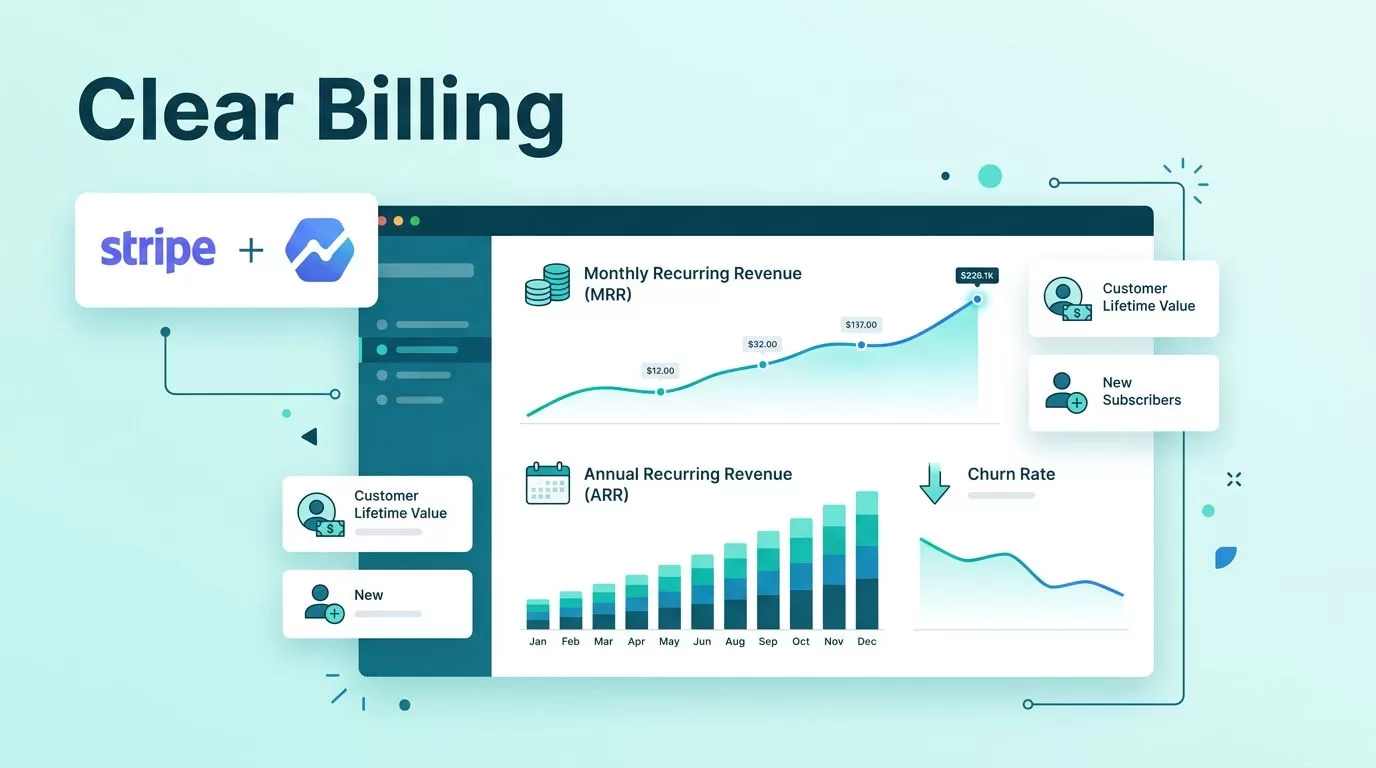
Stripe gives me the money trail, but it doesn’t always give me the story behind it. When I’m trying to explain why revenue moved, I don’t want to hunt through exports or stitch together half a dozen reports. That’s why I treat Stripe billing analytics as a decision tool, not a monthly report. Baremetrics helps
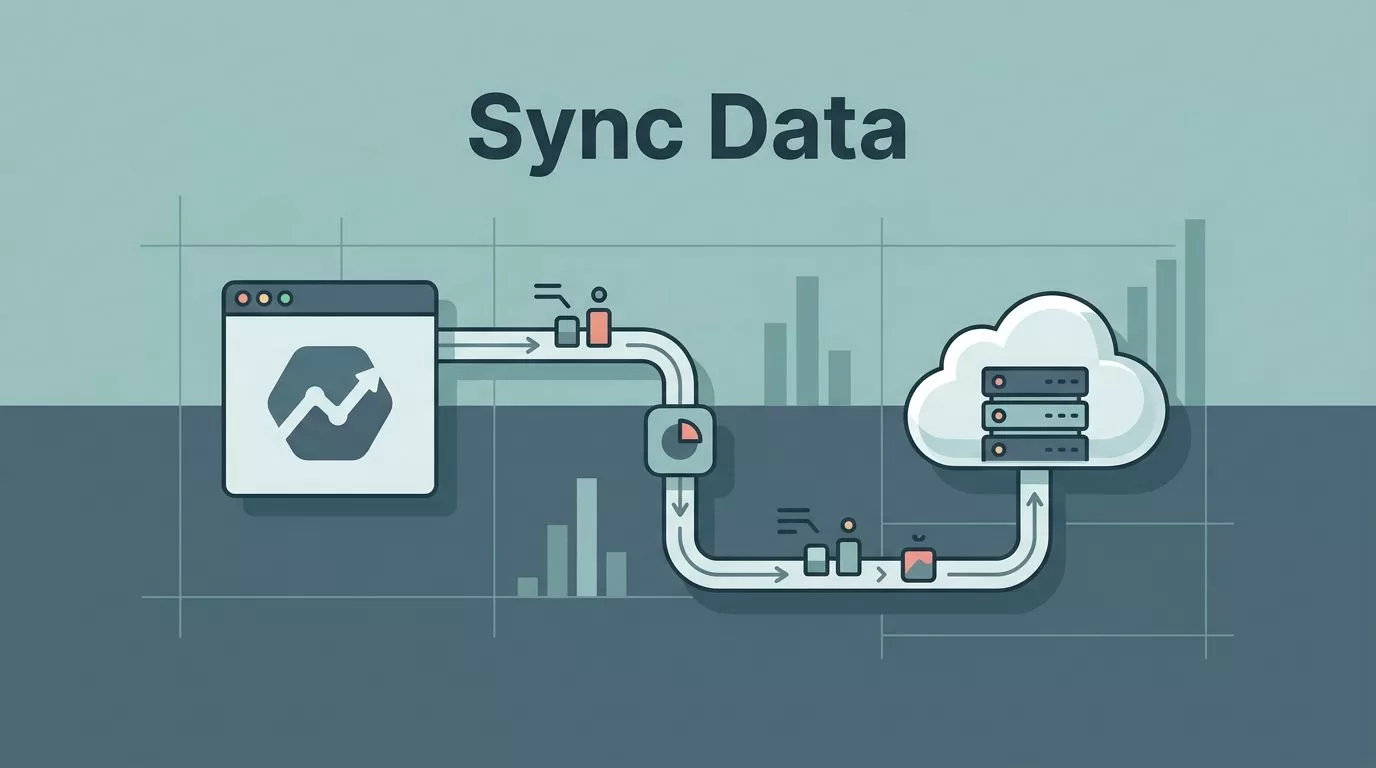
When I build a Baremetrics data warehouse pipeline, I care less about moving rows and more about keeping revenue math honest. Finance wants MRR they can trust, data teams want clean IDs, and operators want numbers they can explain in a meeting. If those pieces do not line up, the warehouse turns into a noisy

Churn usually starts as a quiet line in the billing data. One lost seat, one failed payment, one downgrade, then the month closes and the damage looks small. I treat b2b SaaS retention as a data problem first, because the story is usually there before it shows up in revenue. Baremetrics helps me see that
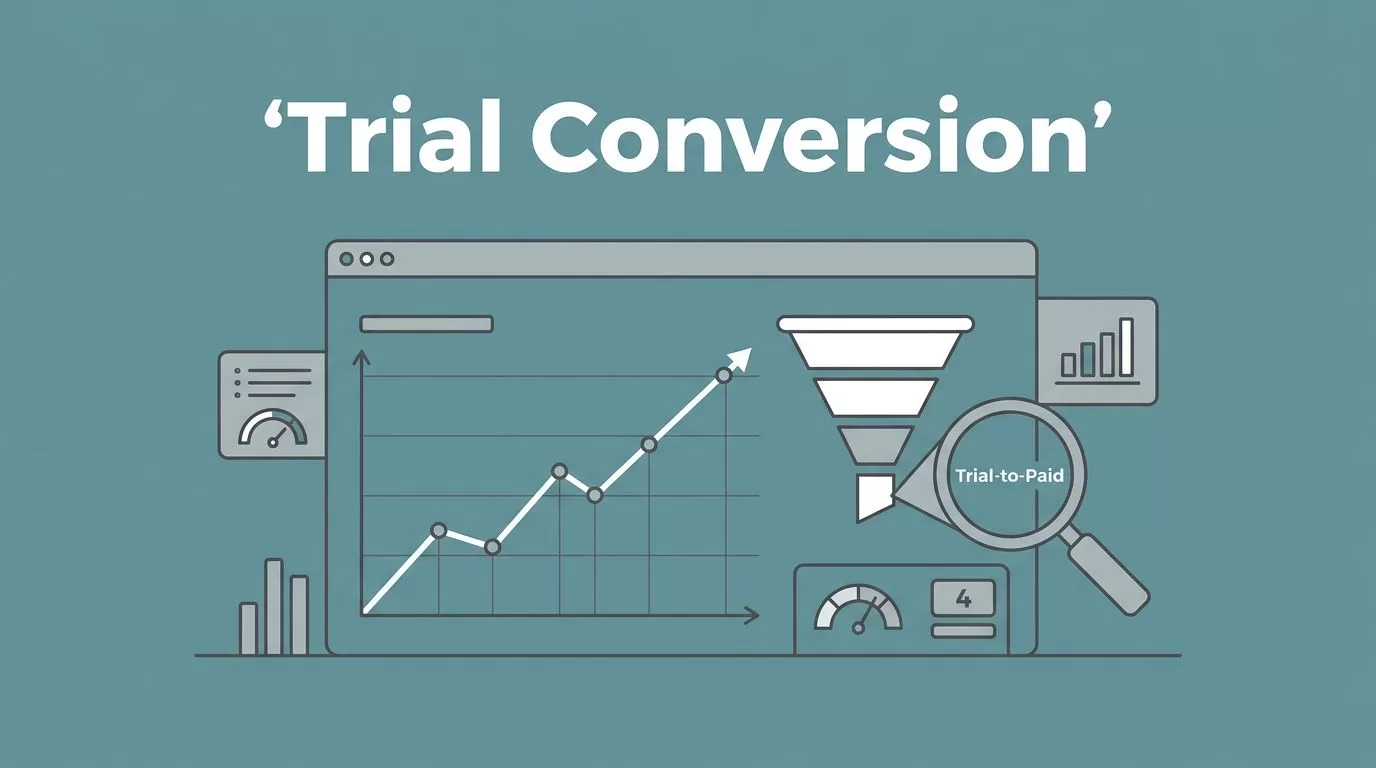
Free signups can look healthy while revenue stays flat. I’ve seen busy trials, full inboxes, and growing traffic, yet the paid handoff was weak. That’s why I watch free-to-paid transitions in Baremetrics before I trust the funnel story. When those transitions slip, I usually find the break in onboarding, pricing fit, or channel quality. Set
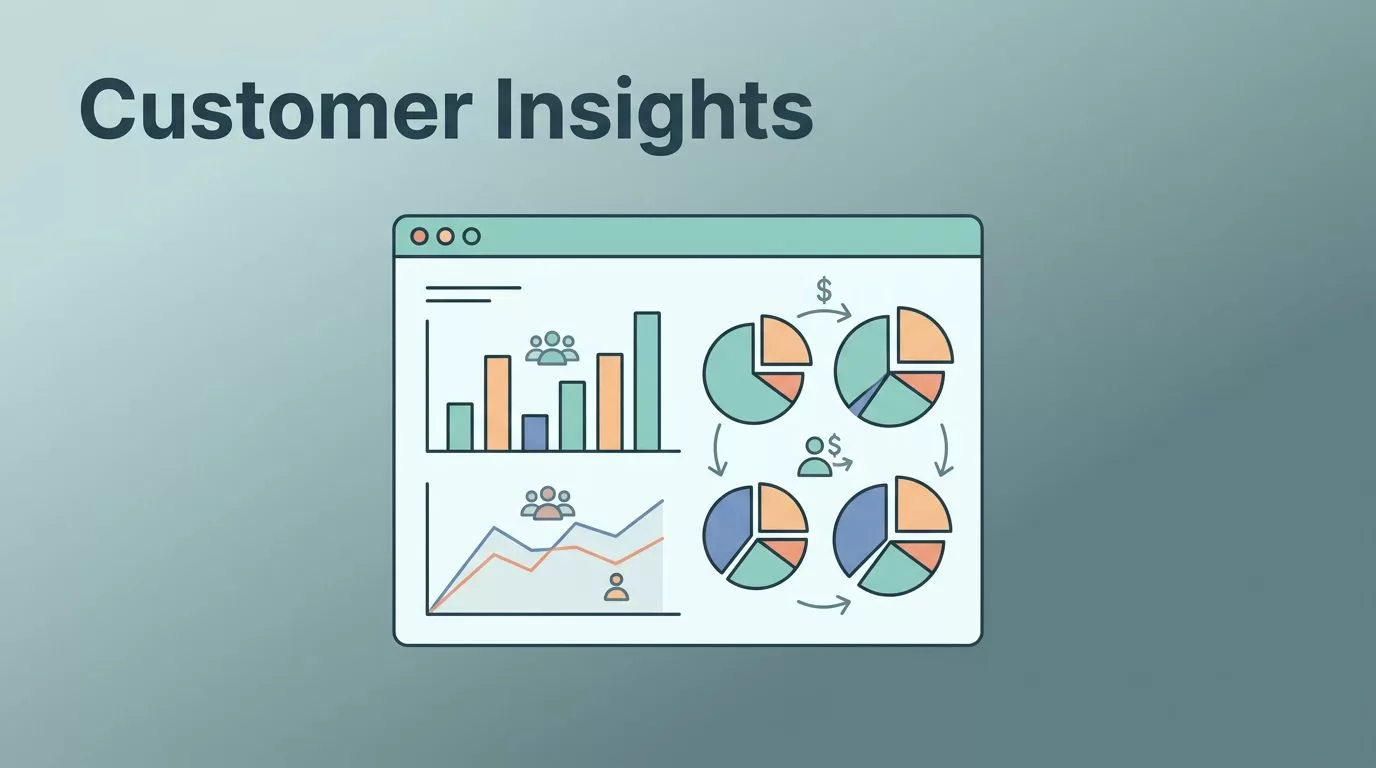
Paying customers can look healthy on the surface and still hide a slow leak underneath. A clean month of MRR does not tell me who is staying, who is expanding, or who is quietly slipping away. That is why I use Baremetrics customer analytics as more than a reporting layer. I use it to read
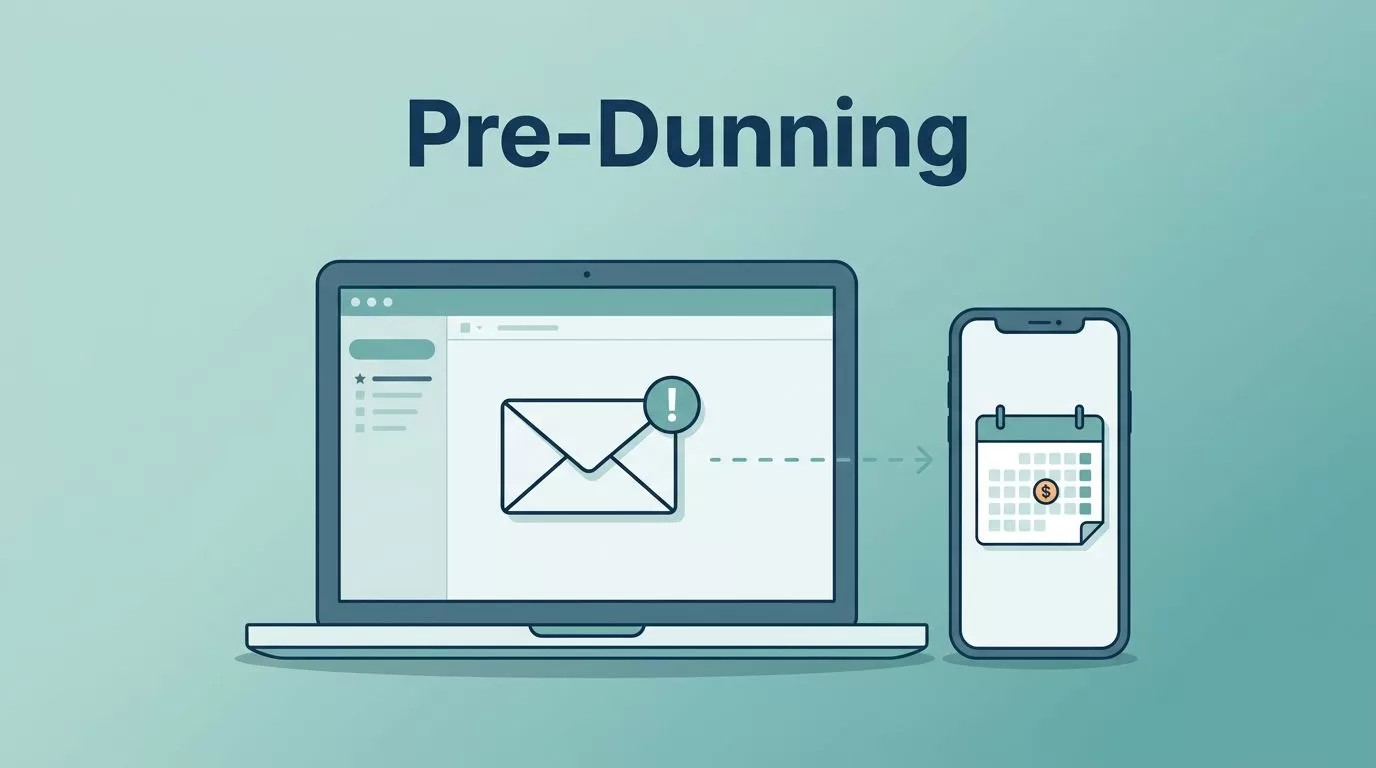
A failed renewal often starts with silence, not anger. A card expires, a bank blocks the charge, or a customer forgets to update billing details. When I send a pre-dunning email before the charge hits, I give the customer one clean chance to fix it. That small heads-up can save a subscription without a support
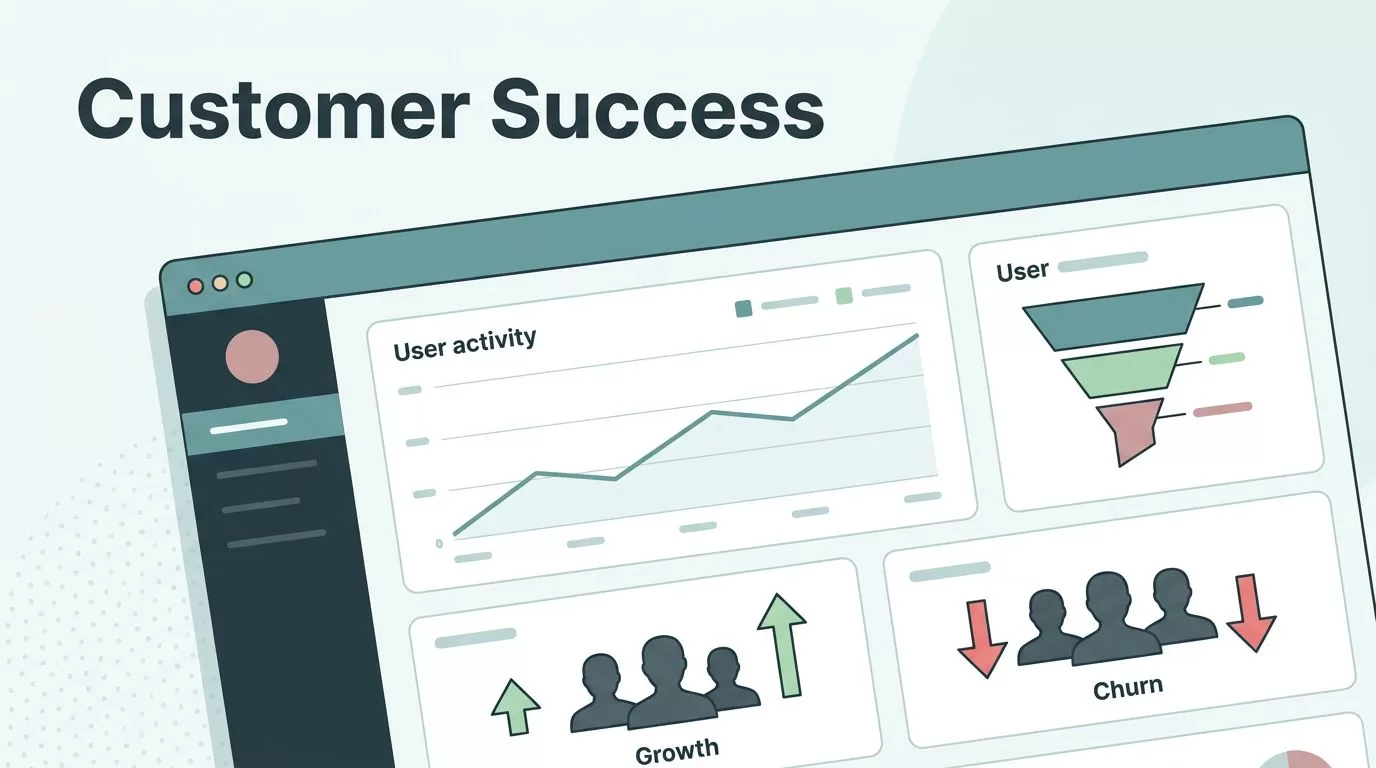
If revenue looks healthy on paper, churn can still be chewing through the base. When I track Baremetrics customer success metrics, I stop guessing and start seeing which customers are slipping, which plans are healthy, and where billing friction begins. That matters because customer success is not a vague feeling. It shows up in payments,

