
When subscription revenue starts moving, I want the shape of that movement, not just the final number. Subscription growth rate tells me how fast new recurring revenue is climbing, and that matters when I’m deciding where to push harder. Baremetrics helps me see the billing data behind that number without guessing. I still need to

A coupon can bring in a burst of signups and still hurt MRR for months. I don’t care how many people redeem a code if the discount cohort churns fast or never expands. When I track coupon usage profitability in Baremetrics, I want to know what the offer keeps alive, what it grows, and what

A dashboard can look healthy while the funnel is quietly leaking. I’ve seen strong traffic hide weak activation, and busy trial numbers hide flat revenue. Baremetrics funnel metrics help me catch that gap before it turns into a false win. That matters when I’m looking at the business through the eyes of a founder, finance

When I set up Baremetrics recurring billing, I treat the sync like the pipes behind a building. If the pipes are clean, every meter reads true. If they leak, MRR, churn, LTV, and cohort charts all start telling different stories. That is why I focus on the source data first. For SaaS operators, finance teams,

Payment alerts can flood a team fast. I want Slack to tell me when money changes hands, when a renewal fails, or when a refund lands. That’s why I use Baremetrics Slack alerts only for events that need a human reply. When I wire Baremetrics into Slack the right way, billing updates stop hiding in
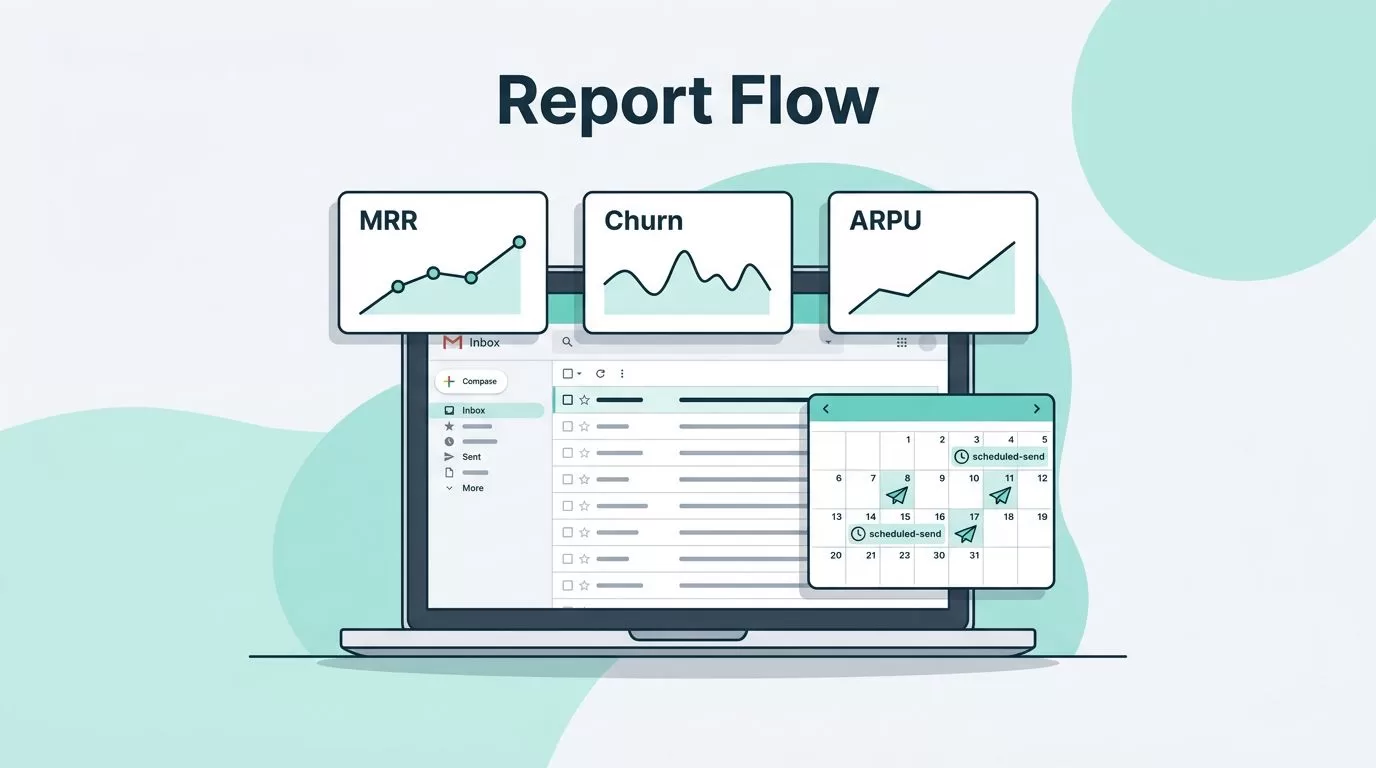
An inbox can turn into a junk drawer fast when every metric lands there at once. That is why I treat Baremetrics email reports as a routing problem, not a notification problem. When I set them up, I want each message to answer one clear question. Did revenue move, did churn spike, or do I
Baremetrics gives me the numbers, but it does not hand me a board-ready slide deck. That matters, because a board meeting needs a clear story, not a dashboard with ten extra charts. When I build Baremetrics board slides, I pull the raw metrics first, then I shape them into a short, readable narrative. That keeps

If I need an app store analytics alternative, I don’t start with installs. I start with the money questions those dashboards leave open. That gap matters when an app runs on subscriptions or in-app purchases. Native store reporting is useful, but it stops short of the deeper revenue view a finance or growth team needs.
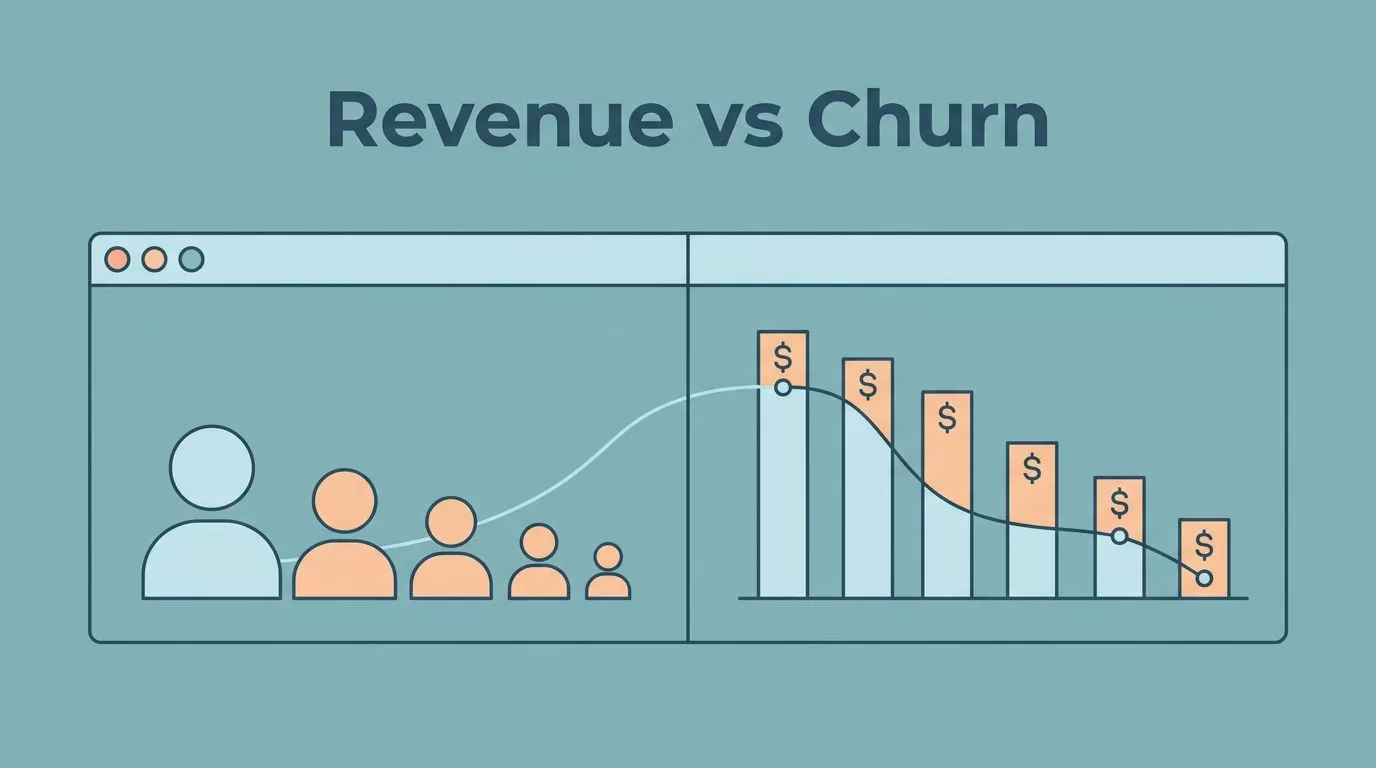
A quiet churn report can hide a loud revenue problem. I don’t treat revenue churn vs customer churn as the same signal, because they answer different questions. In Baremetrics, one metric tells me how many accounts left. The other tells me how much recurring money walked out with them. When I compare both, I can
