


When my recurring revenue numbers feel off, I do not blame the dashboard first. I check the billing sync, because Baremetrics recurring billing reports are only as strong as the data behind them. Once the sync is clean, I can trust MRR, churn, LTV, and failed-payment reports without second-guessing every chart. I can also spot


I use Baremetrics email reports as a daily pulse, not a decorative inbox extra. When subscription revenue can shift from one billing event to the next, a clean report beats five dashboard tabs and a dozen half-finished Slack threads. The trick is simple. I keep the report short, I choose a cadence with a purpose,
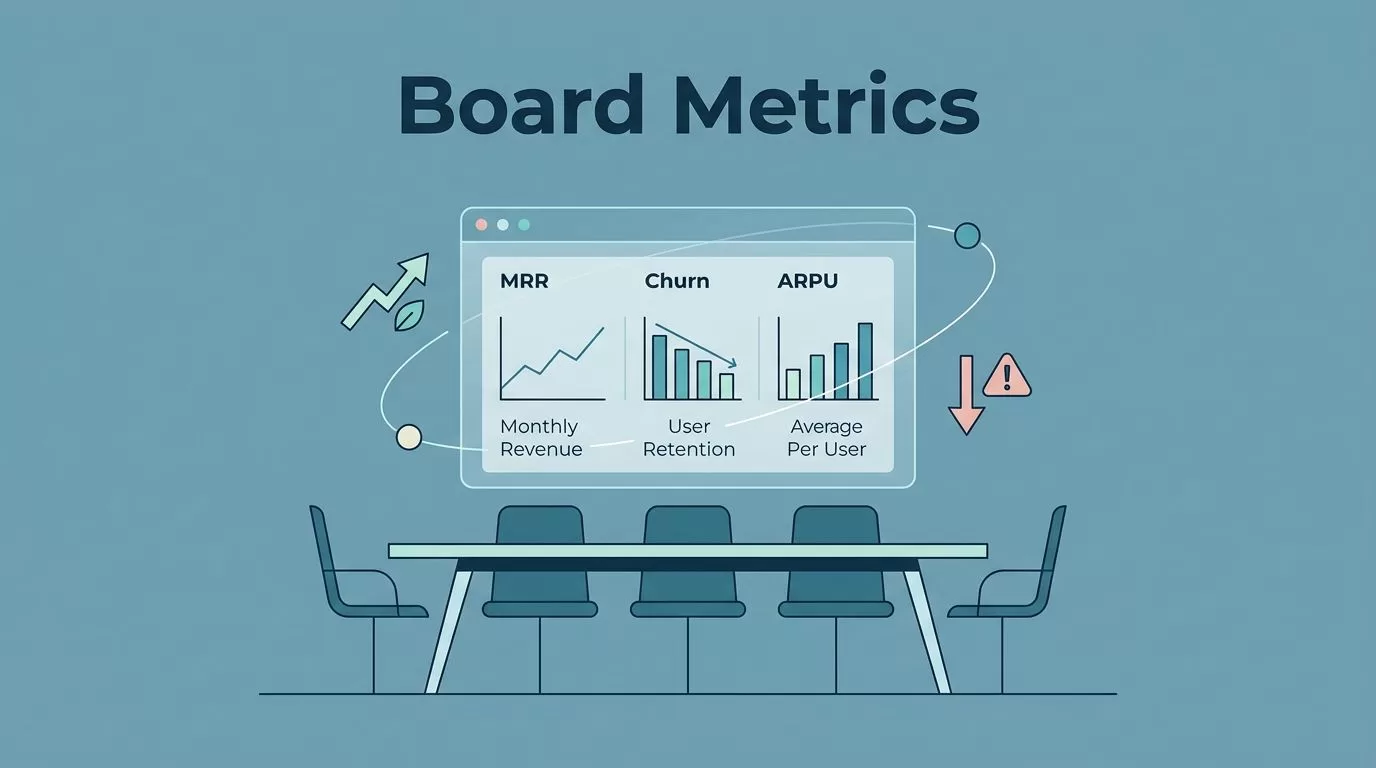
Board slides fall apart when the numbers arrive late, shift shape, or mean something different every month. I use Baremetrics to pull the revenue story into one place, then I turn that export into a board pack that I can explain without sweating through the meeting. The trick is simple. I keep the metric set
App store dashboards can show a spike, but they often hide the bill. I can see downloads, trials, renewals, and cancellations inside native tools, yet I still miss the full revenue story when billing moves across plans, regions, or channels. That is why I treat Baremetrics as an app store analytics alternative when the question

If I only watch customer churn, I can miss a quiet leak in MRR. One large downgrade can hurt more than several small cancellations, and Baremetrics makes that difference hard to ignore. That is why I treat revenue churn vs customer churn as two separate signals, not one blended problem. Customer churn tells me how

Revenue moves faster when I can see the line. In Baremetrics, goal tracking gives that line a shape, so I know whether MRR, churn, or expansion is heading the right way. When I set up Baremetrics goal tracking, I am trying to answer one simple question, are we on pace, or are we drifting? The
Moving email sounds simple until one missing invoice or late support message lands in the wrong inbox. When I move a business from cPanel to Google Workspace, I treat it like a handoff, not a copy job. The safe path is plain enough. I prepare the new mailboxes, back up the old ones, move the

If I had to choose one email suite for a small team today, I’d start with a simple question: do I want the lowest cost, or the strongest all-around work platform? In the 2026 matchup of Google Workspace vs Zoho Mail, that one choice still decides most of the outcome. I see Zoho win when
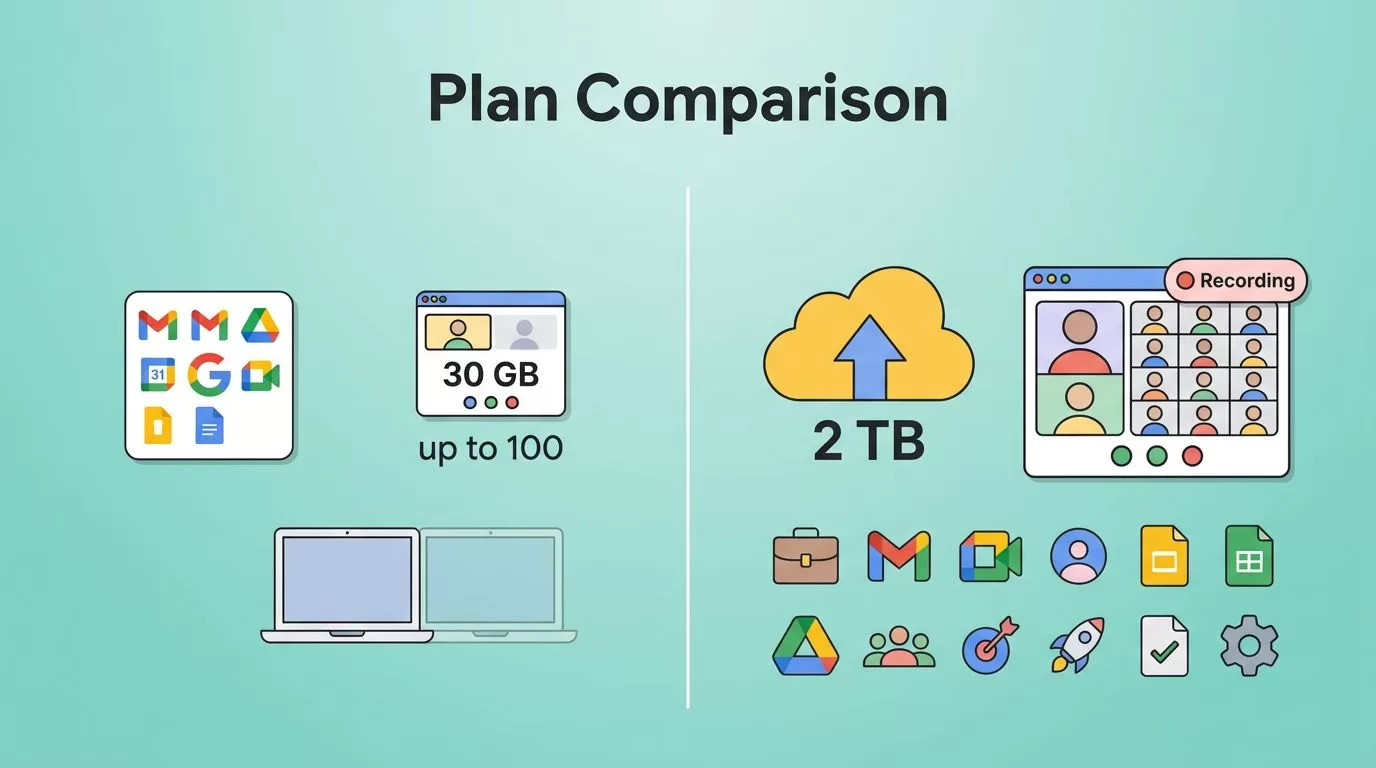
Picking the wrong Google Workspace plan feels small until storage fills up or a meeting needs recording. In 2026, the gap between Business Starter and Business Standard is wide enough that price alone can mislead you. Starter keeps the bill low, but Standard gives me room to store more, record meetings, and avoid juggling extra

