How I Monitor Delinquent Accounts Continuously in Baremetrics
Delinquent accounts do not stay small for long. A card fails, an invoice sits unpaid, and a clean MRR chart starts hiding a real cash problem. When I track Baremetrics delinquent accounts continuously, I catch billing friction before it tur...

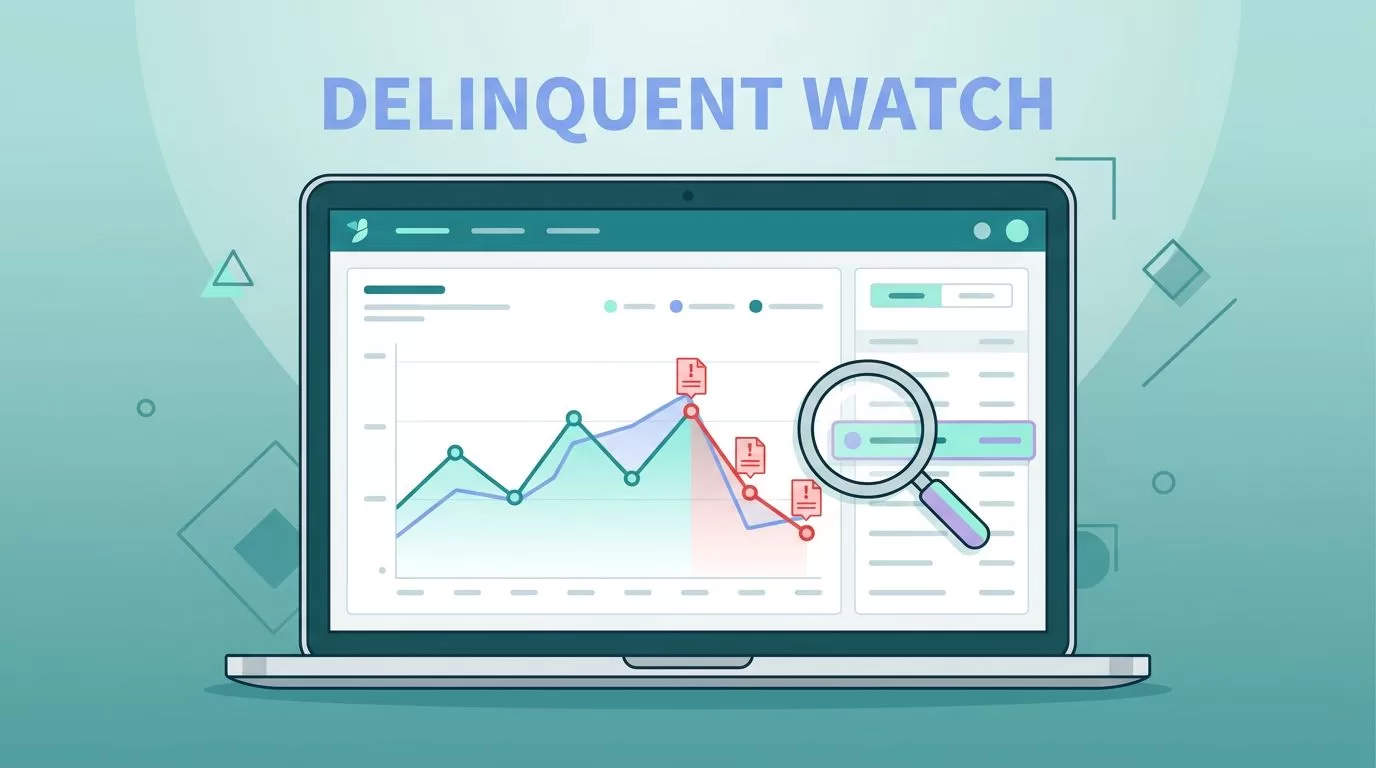
Delinquent accounts do not stay small for long. A card fails, an invoice sits unpaid, and a clean MRR chart starts hiding a real cash problem.
When I track Baremetrics delinquent accounts continuously, I catch billing friction before it turns into churn. That gives me time to retry charges, prompt card updates, and route risky accounts to the right person.
The value is simple. I see who is behind, how much revenue is exposed, and which accounts need attention today, not next week.
Why I treat delinquent accounts as live revenue risk
I do not file delinquent accounts under “billing cleanup” and move on. They are an early signal that revenue is slipping out through the cracks. If I wait for a month-end review, I often find the problem after the customer has already gone quiet.
That matters because delinquency is rarely random. Sometimes a card expires. Sometimes a bank rejects a charge. Sometimes a customer forgets to update billing details after a merger, a budget freeze, or a team change. Each case needs a different response, so I want the signal early.
If I need a plain definition of the follow-up process, I point my team to Maxio’s guide to dunning management. I also keep understanding revenue churn metrics open when I want to separate account loss from revenue loss.
That split matters. A few overdue invoices can look harmless on the surface, yet they can still distort cash flow, confuse renewal forecasts, and create support noise. Continuous monitoring keeps the problem visible while there is still time to recover the money.
What I check inside Baremetrics first
Baremetrics gives me a few views that matter more than the rest. I start with failed payments, delinquent customers, and the at risk table. Together, they tell me who missed a payment, who is close to missing one, and how much revenue I should care about right now.
When the view is set up well, it feels less like a spreadsheet and more like a control panel.

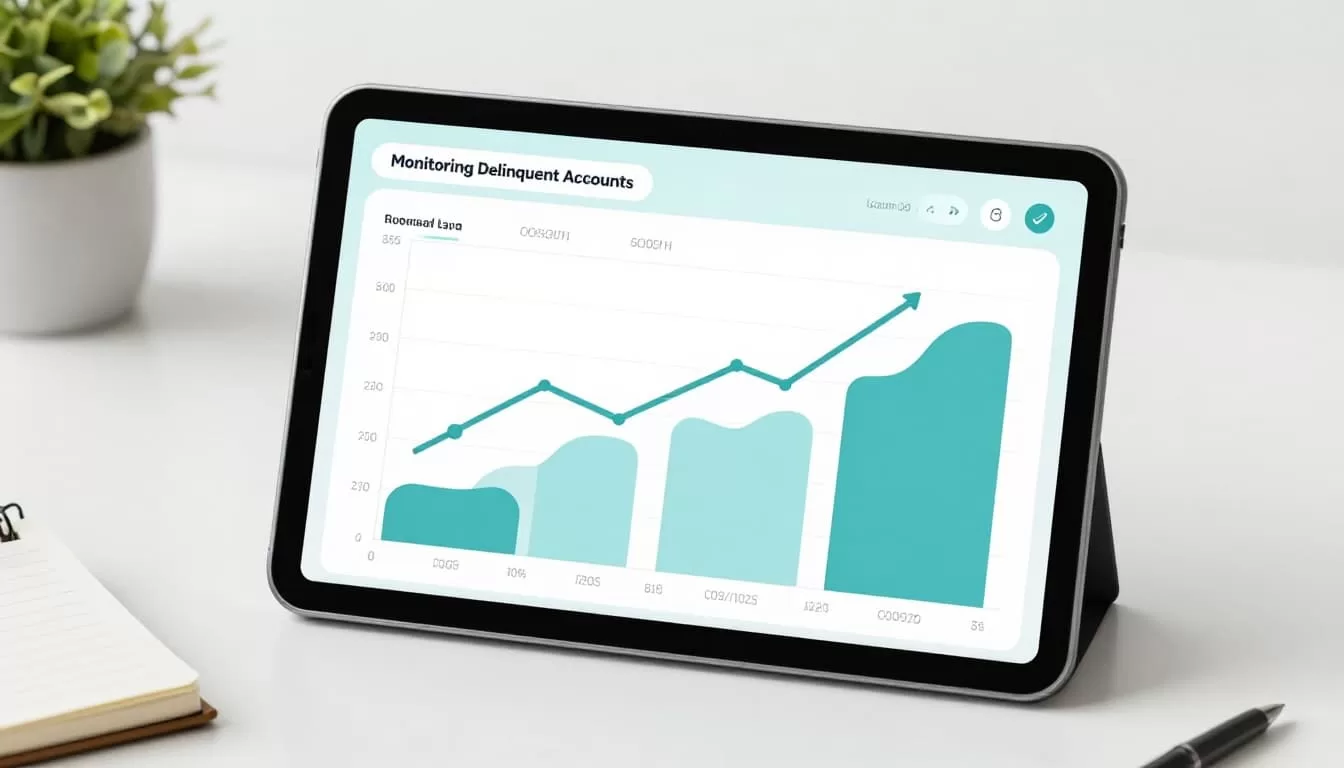
I use the same screen to watch recovery patterns, revenue and churn dashboards, and customer lists. If an invoice is voided or uncollectible, I exclude it so the reporting stays clean. That matters because I want the recovery rate to reflect real work, not accounting noise.
Here is how I read the main views:
| Baremetrics view | What I read | What I do next |
|---|---|---|
| Failed charges | A payment did not go through | Retry, notify, or update the card path |
| Delinquent customers | Money is overdue | Sort by age and amount at risk |
| At risk table | A renewal may fail soon | Reach out before the next charge date |
| Recovery emails | Automated reminders are active | Review timing and message quality |
The table is only useful if I act on it. My goal is not to stare at a dashboard. My goal is to move the account back into paid status before the renewal window closes.
My daily monitoring routine
I keep the routine short on purpose. If it takes too long, I stop doing it. Continuous monitoring works because it becomes part of the day, not a special project.
- I open failed charges first.
Fresh failures get the highest attention because they have the best chance of recovery. A payment that failed an hour ago is easier to fix than one that has been ignored for a week. - I check the delinquent customer list next.
I sort by MRR, days past due, and renewal timing. That helps me see whether I am dealing with a minor issue or a meaningful slice of recurring revenue. - I scan the at risk table.
This is where I catch expired cards, upcoming renewals, and accounts that look healthy but need a nudge. It saves me from waiting for the failure to happen. - I decide who gets automation and who gets a human touch.
Low-value accounts can stay in the email flow. Strategic accounts get a direct note from finance or customer success. I keep failed payment recovery strategies close when I am mapping those paths. - I circle back after the recovery window.
If the payment clears, I close the loop. If it does not, I move the account into the next stage without dragging my feet.
I treat every failed payment as a time-sensitive collection problem, not a support ticket.
That mindset changes the pace. It also keeps me from waiting until the damage has already settled into churn.
How I tie monitoring to dunning and recovery
Monitoring alone does not recover revenue. It only gives me the signal. The real work starts when I connect that signal to a dunning flow that fits the account.
Baremetrics has a useful ultimate dunning management guide that matches the way I think about this loop. I look at it as a sequence, first detection, then reminder, then retry, then escalation. If I want a second reference point, I also compare it with Fungies’ dunning management guide.
The best dunning setup is not loud. It is timely. A payment reminder that lands before a renewal date can save a lot more revenue than a rushed apology after the account has already lapsed. When I tune recovery emails, I care about three things, timing, tone, and the next step the customer can take right away.
For example, a card that fails on a Friday should not sit until the following billing cycle. I want an automatic retry, a clear reminder, and an easy path to update billing details. For a strategic customer, I may add a personal note before the second failure. That small difference often matters.
How I prioritize the accounts with the most risk
I do not chase every overdue invoice in the same way. I rank accounts by MRR at risk, days past due, renewal timing, and payment history. That gives me a cleaner view of where the real exposure sits.
A small self-serve account with one missed payment does not get the same attention as a high-value customer nearing renewal. The work is similar, but the urgency is not. When I need to pressure-test that logic, I use understanding revenue churn metrics to keep dollars and account counts separate in my head.
The practical payoff shows up in three common cases. First, an annual plan with an expired card needs a fast, polite reminder before the renewal fails. Second, a mid-market account that has failed twice needs a human follow-up, not just another email. Third, an uncollectible invoice should be excluded from recovery reporting so I am not celebrating fake wins.
That is also where the customer list matters. It lets me work account by account instead of guessing from a summary number. I can see who needs a retry, who needs a manual fix, and who needs a billing conversation.
Conclusion
Continuous monitoring keeps delinquency from hiding in plain sight. When I watch failed charges, delinquent customers, and at risk accounts every day, I catch billing friction early enough to do something useful.
Baremetrics helps because it shows the problem, the exposure, and the recovery path in one place. Once I connect that view to dunning emails and a clear follow-up routine, I get a cleaner process and fewer surprises.
The biggest shift is simple. Delinquent accounts stop looking like a monthly cleanup task and start looking like live revenue that I can still save.

