

I once submitted a podcast feed that looked perfect. Apple Podcasts rejected it because of a tiny tag error. Listeners waited weeks for updates. That mess taught me one thing: podcast RSS validation saves headaches. You host on Transistor.fm because it handles unlimited shows and auto-distributes to Spotify and Apple. But feeds break. Directories reject

I run a podcast for my team’s internal training. Public feeds work fine for broad reach. But for exclusive content, I need control. That’s where Transistor private RSS feeds come in. They lock episodes behind subscriber access. No public directories see them. You get unique feeds per listener. Subscribers add them to apps like Apple

I remember the early days of my podcast. Downloads trickled in, but I had no clue what worked or why listeners vanished mid-episode. Guessing wasted time. Then I found Transistor.fm’s analytics dashboard. It changed everything. Now I spot trends fast and tweak episodes based on real data. You face the same puzzle. Listeners skip shows

I remember the grind of manual uploads. Each episode meant copying links to Spotify, Apple Podcasts, and YouTube. Hours vanished. Then I found Transistor.fm auto publish. It pushes new episodes everywhere with one click. You upload once. Platforms grab the rest through RSS feeds. No more chasing directories. This setup saves me two hours per

You know the drill. Emails leak. Slack channels get screenshots. Town halls fade fast. I faced this mess when leading ops for a remote team. Sensitive updates vanished or spread wrong. Private podcasts changed that for me. They deliver audio straight to employee apps, controlled and contained. Transistor.fm makes it simple. You control who hears

I hit a wall last year. My podcast downloads spiked after a viral guest. My old host throttled speeds. Listeners complained about slow loads. You know that frustration. Buffering kills momentum. Transistor.fm changed everything for me. It focuses on monthly downloads instead of strict caps. I host multiple shows without storage worries. This post shares
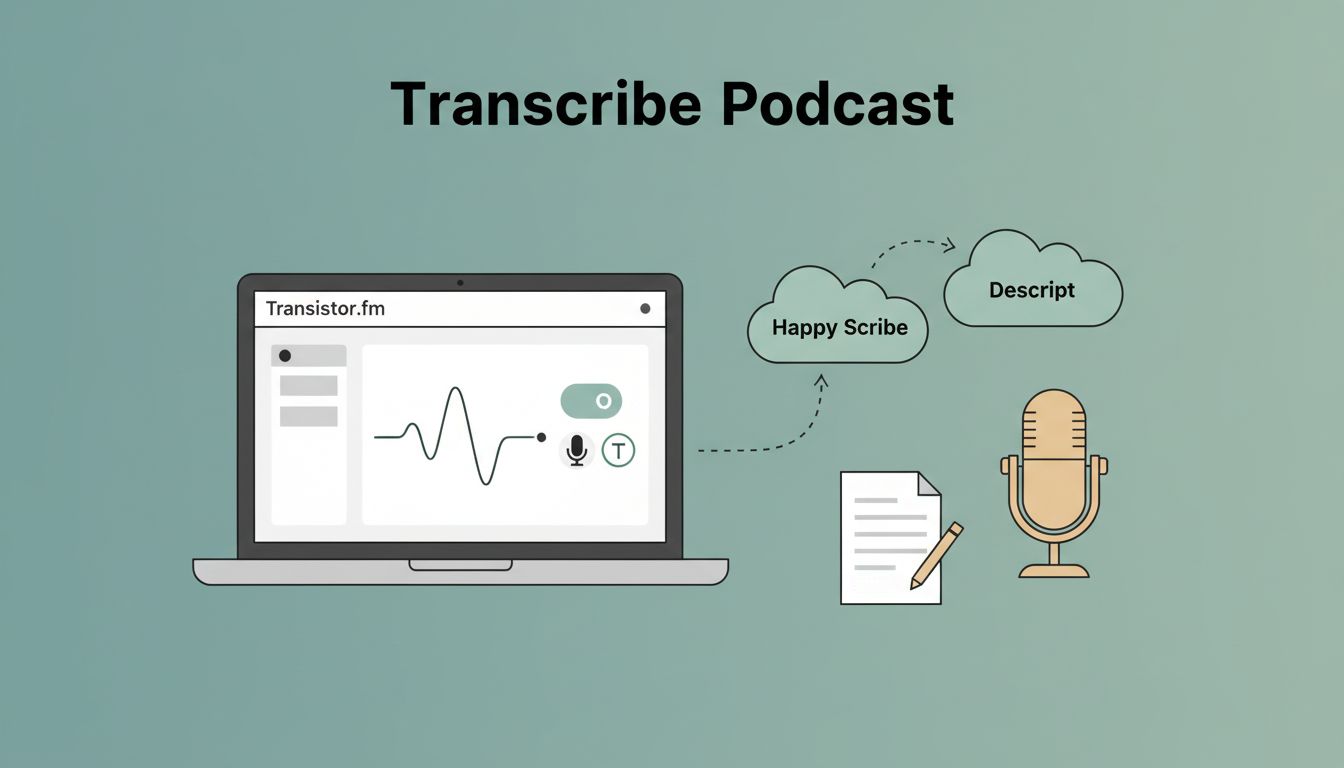
You publish a podcast episode on Transistor.fm. Listeners tune in. But what about those who prefer reading? Or search engines that ignore audio? Transistor podcast transcription solves that. It boosts accessibility and helps your show rank higher. I started transcribing my episodes manually. It took hours. Now I connect tools directly to Transistor.fm. Native features

You run a business. You spot trends in AI or automation. But writing posts takes hours. Why not speak your ideas into an audio blog on Transistor instead? Listeners grab insights on the go. I tested this last week. Setup felt simple. One account, one upload, done. Your team hears fresh takes on data tools

I check my podcast stats every week. One glance shows where listeners tune in and what devices they use. Those details shape my next episode. You run a show or network. You need the same edge. Transistor.fm gives first-party data right in its dashboard. It reveals patterns without guesswork. Let’s walk through how I pull
