

Venue teams lose hours to incomplete inquiries, repeated availability checks, and follow-up that depends on one busy employee. Venue booking automation with Twin.so can reduce that work by collecting requests, extracting key details, and routing the next action. Twin.so is not confirmed as a venue reservation system. It is an AI agent platform that works
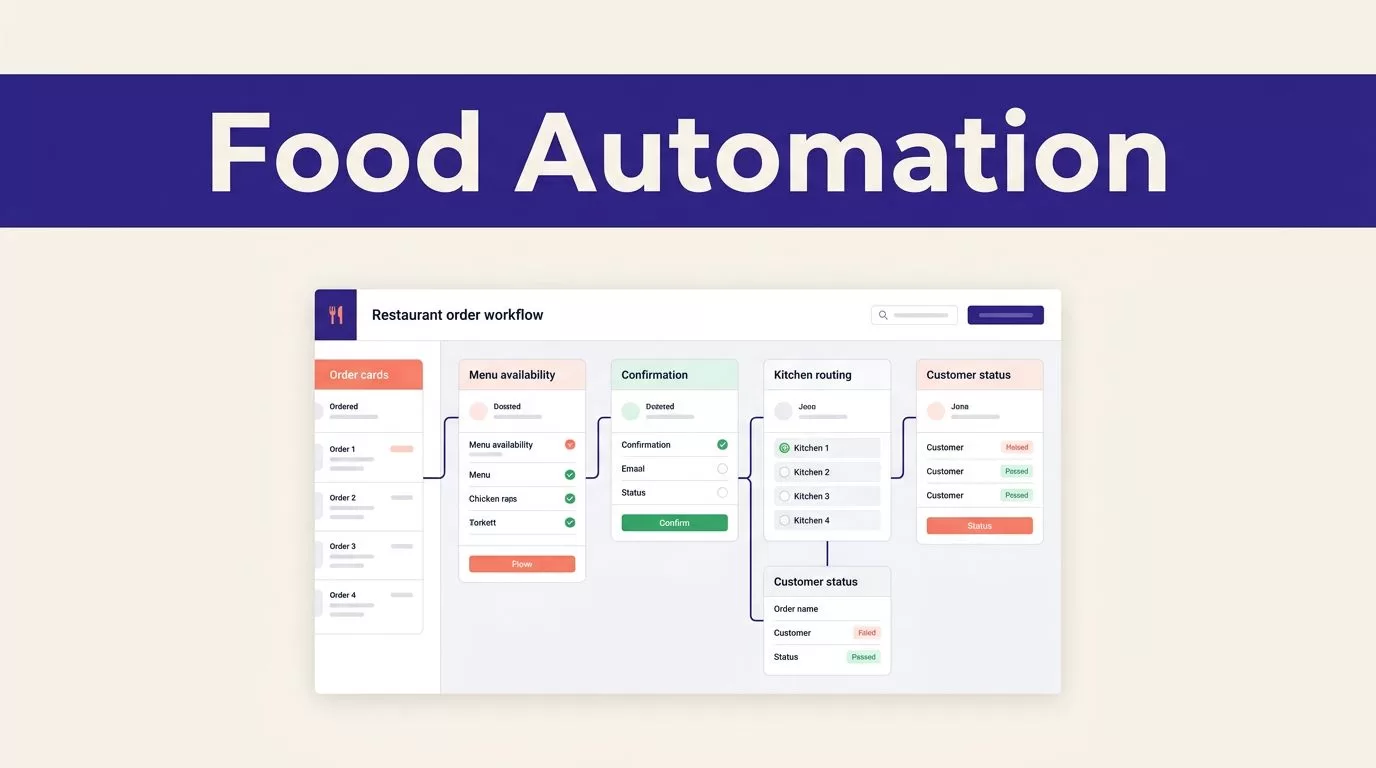
Restaurant teams lose time when orders move between forms, email, menus, payment pages, and kitchen systems. Food ordering automation in Twin.so can handle much of that repetitive work, but only when the workflow has clear limits. Use it to capture orders, check item availability, confirm details, route approved requests, and update customers. Keep payment approval,
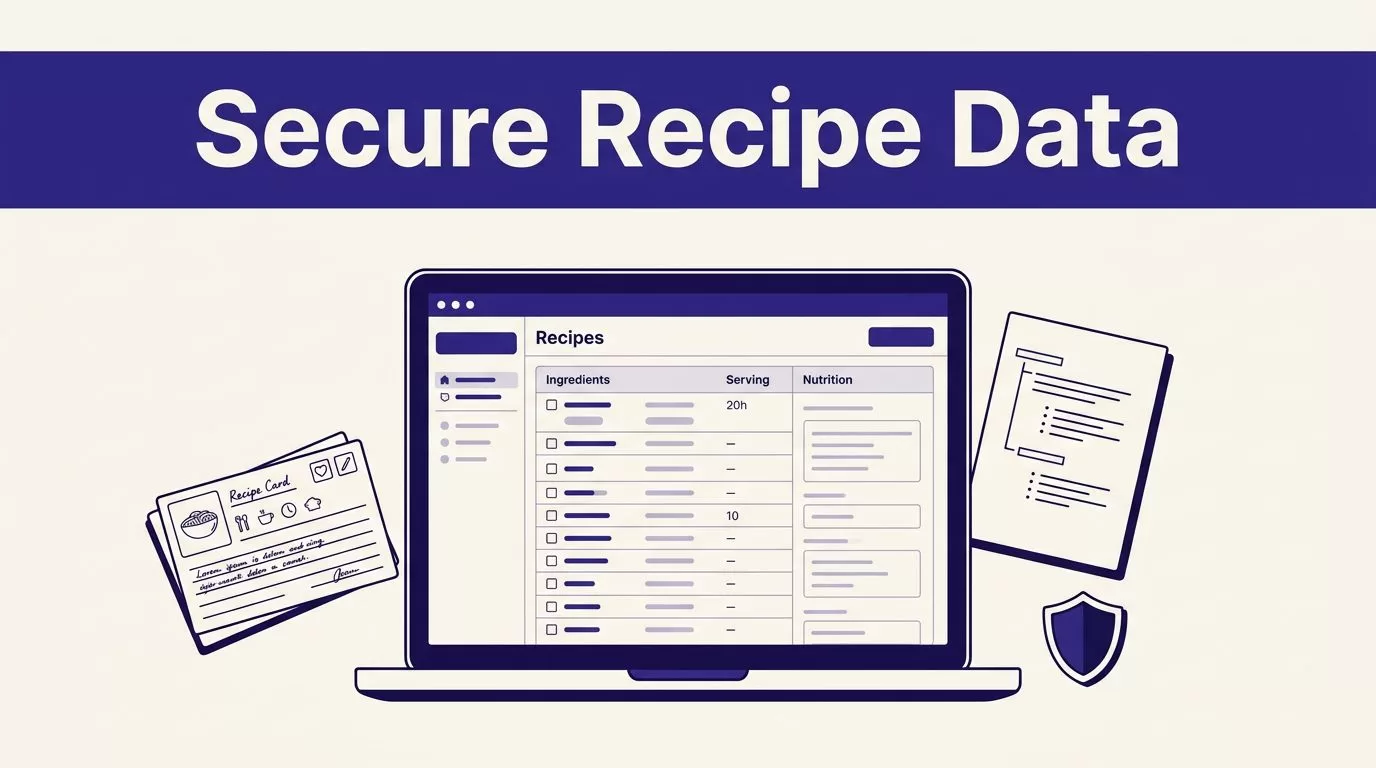
Recipe data looks simple until you need clean records at scale. One page may contain servings, ingredient text, nutrition values, author details, ratings, and several time formats. Recipe database scraping works when the workflow has clear permission, a defined schema, and strict checks before data reaches production. Twin.so can handle browser-based extraction, but your team

Most museums don’t have a people problem. They have a handoff problem. Done well, museum management automation moves routine intake, status checks, and notifications without moving curatorial or registrar decisions to a bot. Twin.so is a general-purpose AI agent platform, not a museum collections system. It can connect apps, respond to schedules, emails, forms, webhooks,
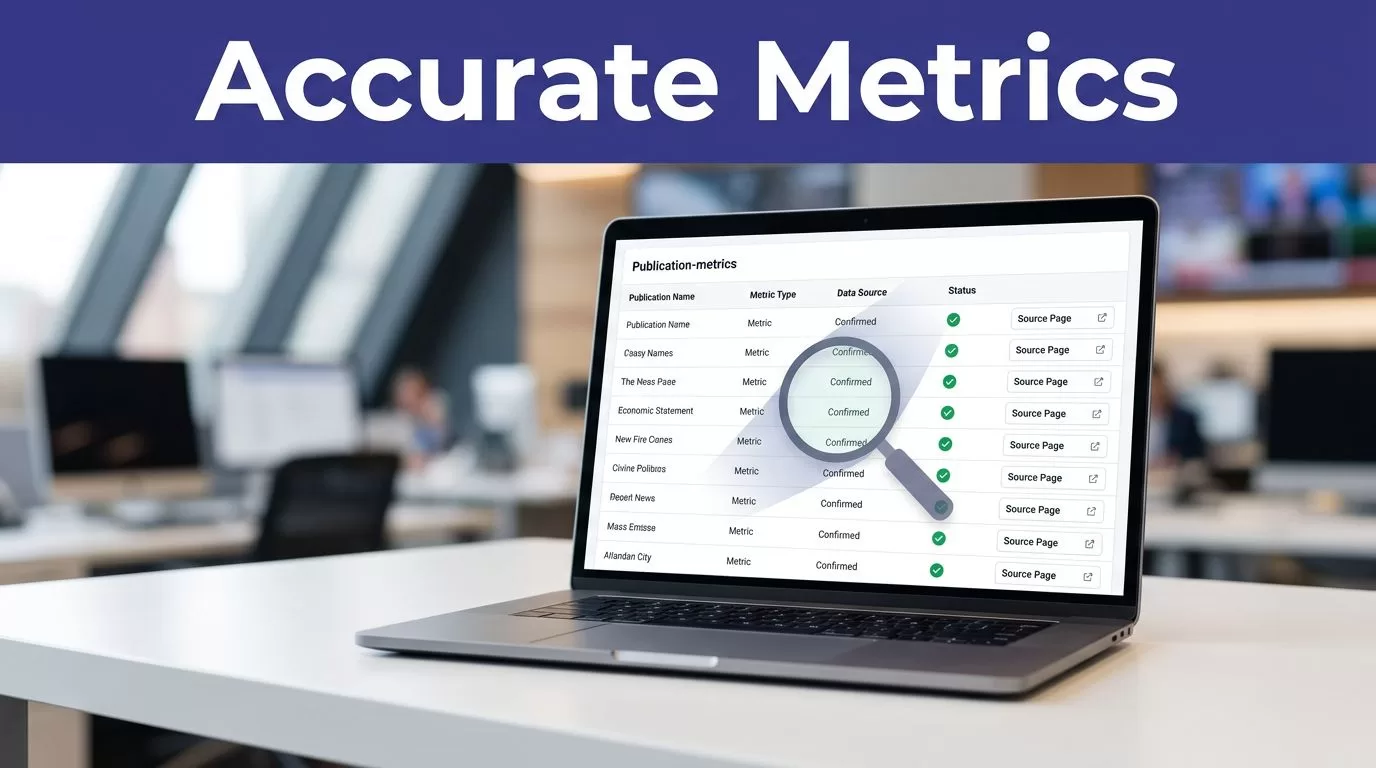
Reliable publication metrics scraping starts with a defined data model. If you ask Twin.so to “scrape publication data,” you may receive inconsistent fields, mixed sources, and values that cannot support a decision. The correct workflow is simple. Define each metric, collect only approved data, preserve the original values, validate every record, and calculate derived metrics
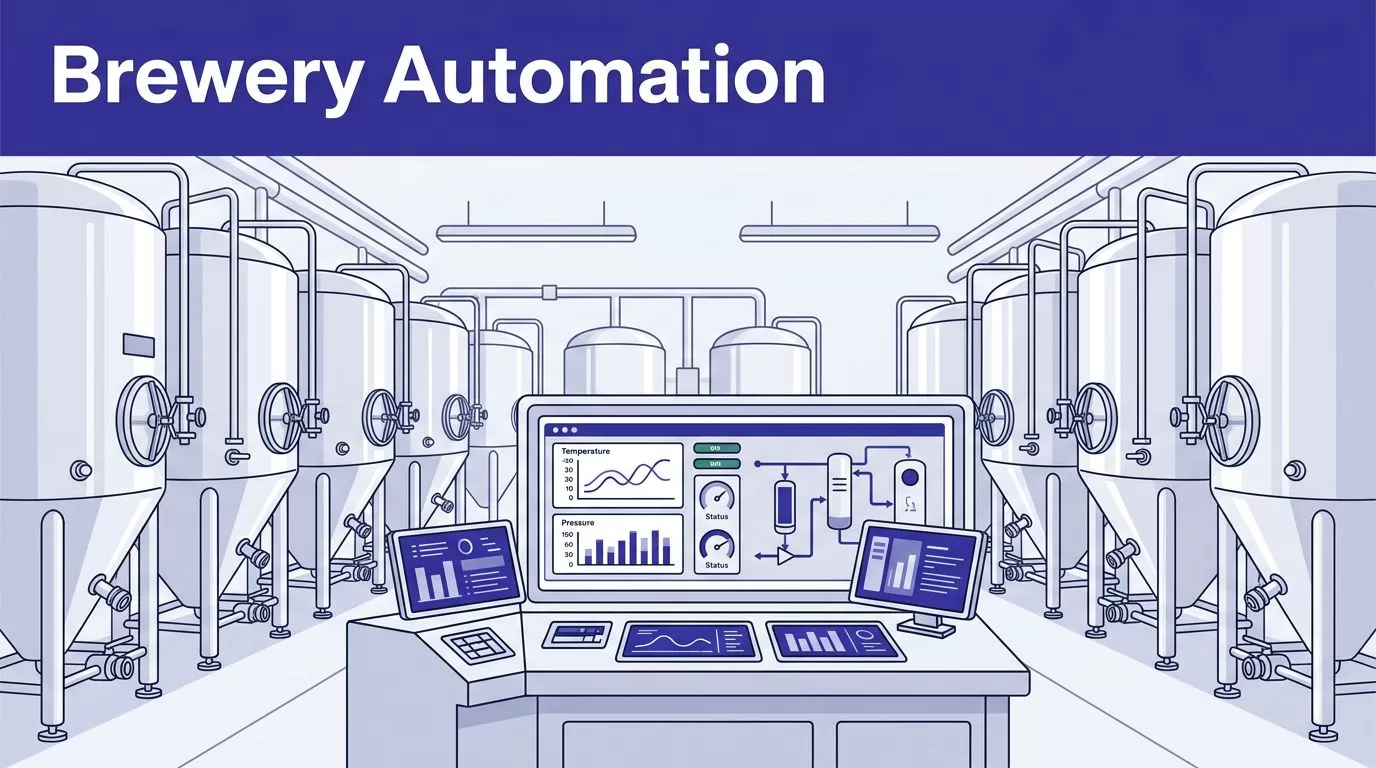
Brewery automation software should remove repeatable work without becoming an untested path into a live control loop. Twin.so fits best as an orchestration layer. It reads approved brewery data, applies defined rules, and routes results to people or business systems. The deployment still needs a clear integration boundary. As of August 2026, Twin’s public materials

A scan is not a finished archive record. Poorly planned archive digitization workflows produce files that are hard to find, hard to trust, and expensive to correct. Twin.so can help coordinate intake, file movement, browser actions, review queues, and approved updates, but don’t assume it includes native OCR or metadata extraction unless your configuration confirms
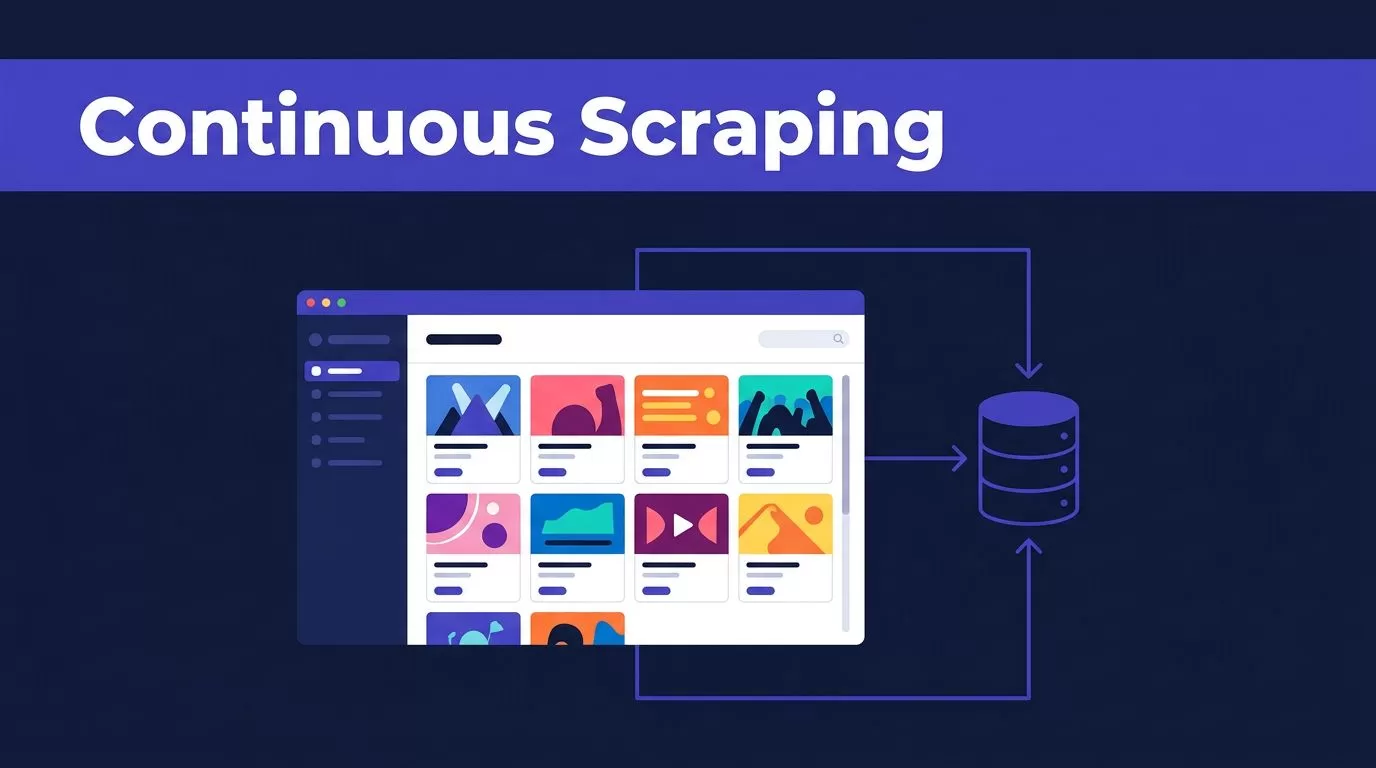
If you scrape concert dates once, your event database starts aging before the next artist announcement. Venues add shows, move start times, change ticket links, and cancel events. A one-time export can’t track those changes. Twin.so can run an approved browser workflow on a schedule, return defined fields, and pass validated changes to your database
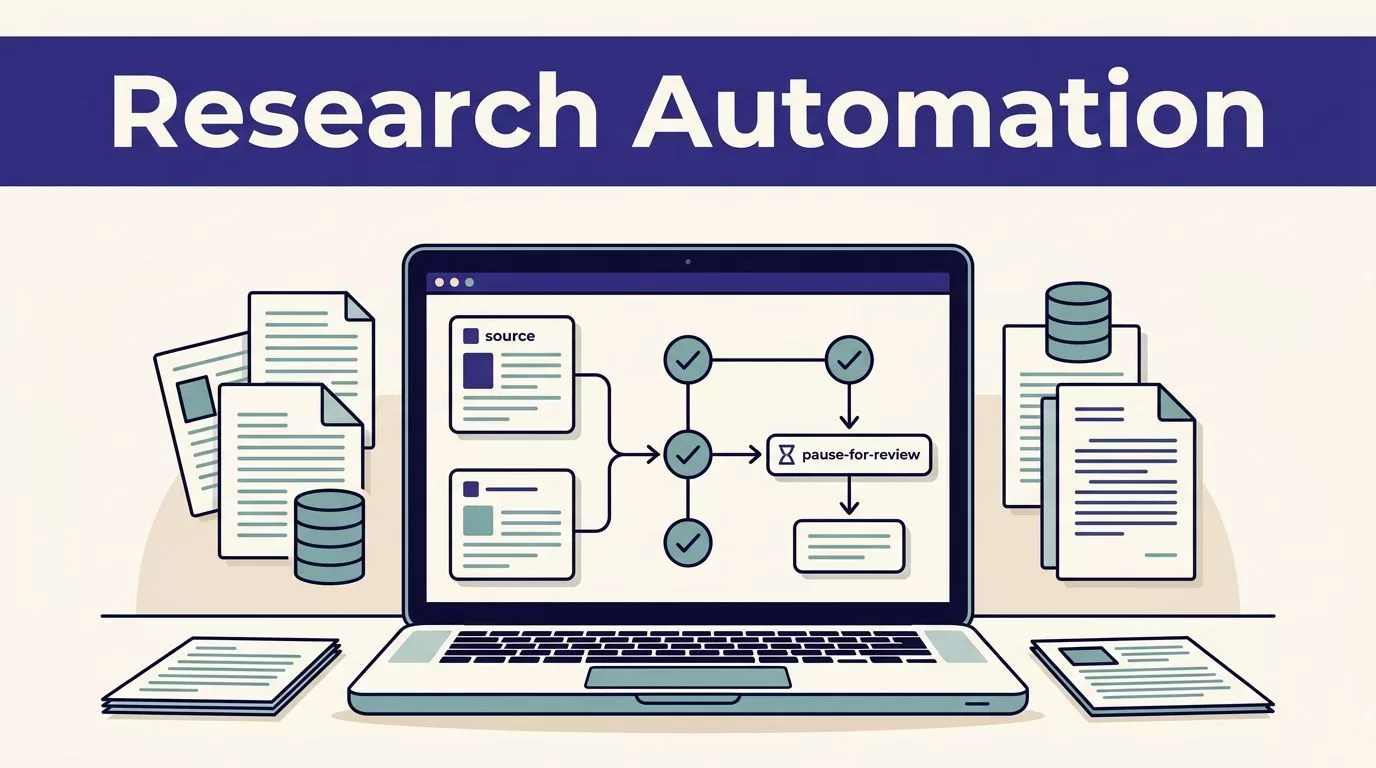
Academic research automation fails when a polished answer hides weak evidence. Twin.so can remove repetitive browser and app work, but it doesn’t replace source selection, citation checking, or researcher judgment. Use Twin.so as workflow infrastructure. Collect bounded inputs, return structured records, pause on uncertainty, then synthesize approved evidence. Start with the research workflow, not the
