Watching your organic search performance often feels like chasing a moving target. You check rankings in one dashboard, traffic in another, and conversions somewhere else entirely. This manual data shuffling eats your time and keeps you from fixing the actual problems. If you want to track SEO metrics without living inside a dozen browser tabs, you need a different approach.
I often find that the biggest hurdle in search optimization isn’t finding data, but connecting it. When you rely on manual reporting, you see what happened last week or last month. By then, the opportunity has passed. You need a system that brings the data to you, sorts it, and highlights what requires immediate attention. This is where autonomous digital agents make a significant difference.
Centralizing Your SEO Data Efforts
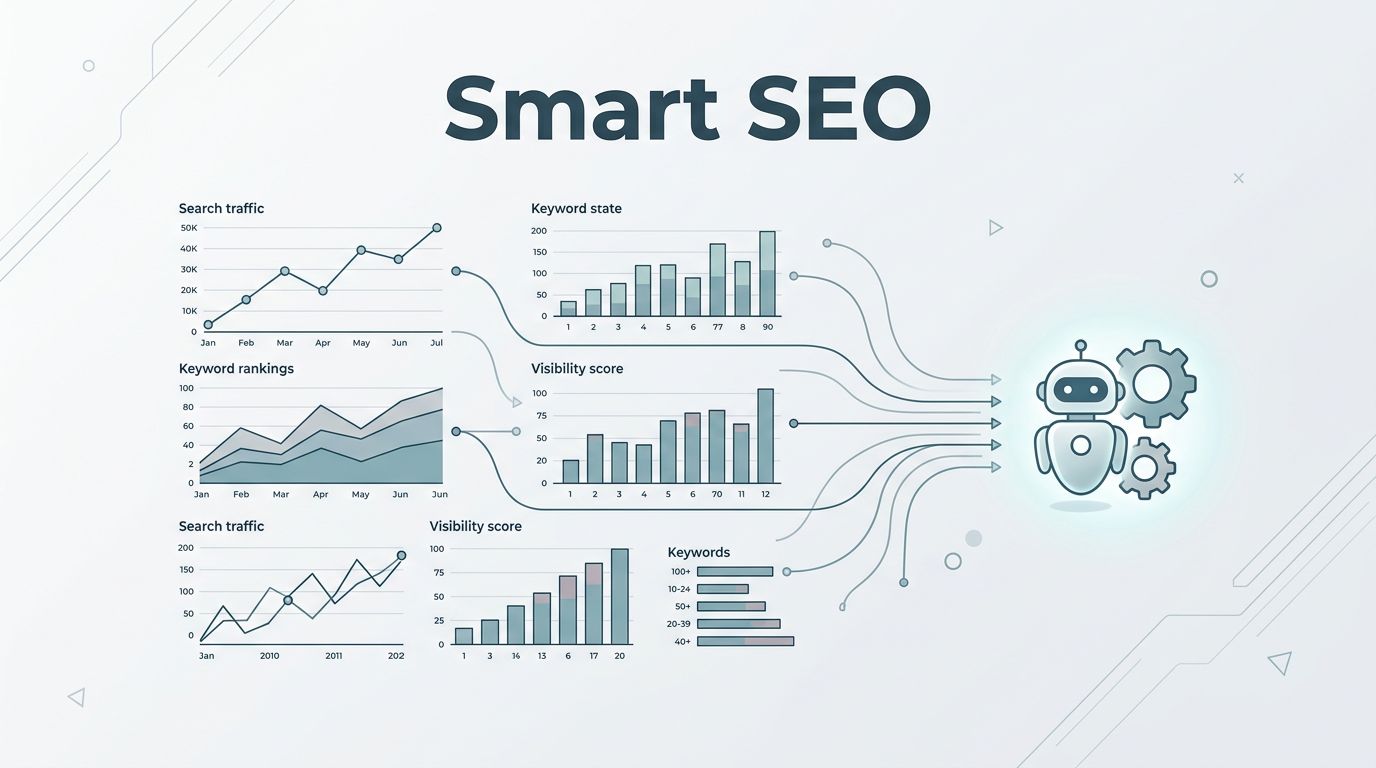
Most SEO teams spend hours copying data from search consoles and analytics platforms into spreadsheets. This is manual labor that machines perform better and faster. By using tools like Twin.so, you can deploy AI agents to handle this data aggregation automatically. Instead of visiting five websites to see if your rankings dropped, an agent can check those sources, compile a summary, and drop it into your communication channel.


When you centralize your metrics, you gain a clearer picture of your site’s health. You don’t have to guess why traffic shifted; the data is already organized and ready for you to interpret. If you want to understand which signals matter most, see this overview of key SEO metrics to ensure your monitoring covers the essential indicators of site success.
Identifying Which Metrics Truly Matter
You can track dozens of search signals, but not all of them demand your daily focus. I focus on three core areas: visibility, traffic, and intent. Visibility tells you if you exist in the eyes of search engines. Traffic confirms that people are actually clicking through to your site. Intent measures whether those visitors act like potential customers.
High traffic numbers mean little if your bounce rate is high or if nobody completes a form. To get a better grasp on these relationships, check this guide on important SEO metrics to determine which ones align with your business goals. When you define these success points, you can tell an AI agent exactly what to watch. For example, if your primary goal is lead generation, an agent can alert you specifically when organic traffic increases on high-conversion landing pages, rather than flooding you with reports on every page visit.
Automating Your SEO Workflow
Automation does more than save time; it changes how you work. Instead of starting your day by digging for insights, you start by reviewing a summary your agent prepared overnight. You move directly to decision-making. You can set up agents to log into your search console, pull performance data, and cross-reference it with your internal conversion numbers.
If you are already familiar with building workflows for other parts of your business, automating your lead capture with Zapier provides a good foundation for thinking about data movement. Extending this mindset to SEO means your agent doesn’t just collect numbers; it performs the diagnostic work. It can alert you if a key page suddenly drops out of the top ten results or if your click-through rate dips significantly below your monthly average.
Practical Use Cases for AI Agents
You don’t need a massive development team to start using agents. Most practical applications solve small, nagging problems that accumulate over time. Here are three ways I apply this to my own search operations:
- Competitor Rank Alerts: I set an agent to track specific search terms on a weekly schedule. If a competitor jumps ahead for a term that drives my revenue, I get an immediate summary of their new content or updated meta tags.
- Backlink Health Checks: Broken backlinks or new, low-quality links can hurt your standing. An agent can scan new link data and verify if the referring pages remain active and reputable.
- Conversion Gap Analysis: When organic traffic stays flat but leads drop, I have an agent compare page speed and content structure across my top-performing landing pages to identify potential technical issues.
For teams looking to improve their site performance, these AI-driven workflows complement efforts like no-code A/B testing with Mida.so because they provide the data needed to decide which headlines or layouts to test in the first place. You find the problem through monitoring and solve the conversion issue through testing.
Moving From Reporting to Action
Most SEO reports are passive documents that sit in folders. To move toward an active strategy, shift your focus from “what happened” to “what I will change.” If your reporting agent tells you that organic clicks are down, it should also suggest which pages need a title tag refresh based on current search trends.
Effective SEO monitoring involves using reliable tools to measure site performance so you stay informed about your standing in search results. When you automate the collection of these metrics, you reclaim your day. You shift from a person who tracks data to a person who acts on it.
If you want to see how this fits into a broader testing culture, consider how you run fast, no-code website tests to validate the improvements your data suggests. Testing and tracking form a cycle. You track to find the opportunity, you test to verify the solution, and you use automation to keep the entire process running without constant oversight.
Maintaining Your Automated System
An automated SEO system is not a set-it-and-forget-it project. Data sources change their interfaces, and search engines update their algorithms. I schedule a monthly audit of my agents to ensure they are pulling the correct information. If an agent starts returning messy data, I refine the instructions.
Keep your instructions simple. If an agent is not performing as expected, reduce the complexity of its tasks. It is better to have three agents doing one thing perfectly than one agent attempting five tasks and failing at all of them. Start with one metric, such as keyword position tracking, and expand your automation only once you trust the output. You will find that as your trust in the system grows, your capacity for higher-level strategic planning grows with it.
Key Takeaways
Successful search optimization relies on high-quality data and efficient processing. By automating the way you track SEO metrics, you eliminate the repetitive work that distracts you from your main goal. Use digital agents to monitor key indicators and provide summaries that allow you to act immediately.
Connect your monitoring system directly to your decision-making processes. When you know where to look and what actions to take, you stop guessing. Start small by automating one specific task, refine your approach based on the results, and let the agents handle the routine heavy lifting. Your time is better spent on the creative and strategic work that software cannot do for you.