How I Automate B2B Lead Generation with Twin.so
I remember cold outreach days that ate hours. Manual searches, dead emails, endless follow-ups. Now, I let AI handle it. Twin.so changed that for me. It builds agents that scout leads, check sites, and draft messages. You get 4-7 solid pros...
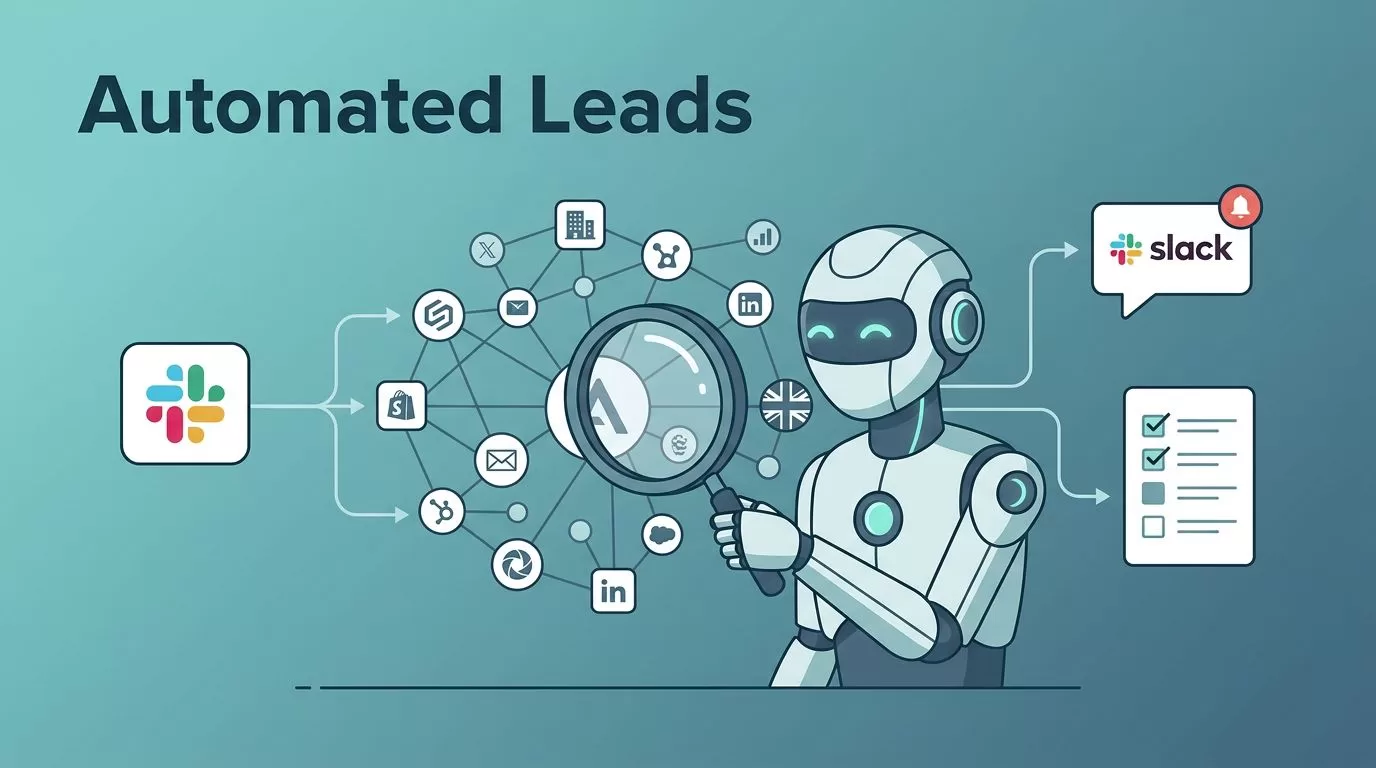
I remember cold outreach days that ate hours. Manual searches, dead emails, endless follow-ups. Now, I let AI handle it. Twin.so changed that for me. It builds agents that scout leads, check sites, and draft messages. You get 4-7 solid prospects daily without lifting a finger. This post shares my exact process.
How Twin.so Finds Leads Automatically
Twin.so agents run on schedules. They scan sources like Sales Navigator or Reddit for matches. I tell it to target UK e-commerce shops with weak sites. It pulls names, verifies contacts, and flags pain points.
The dashboard shows everything. Lead lists populate with company data and signals. Automation flows connect the dots from search to Slack alerts.
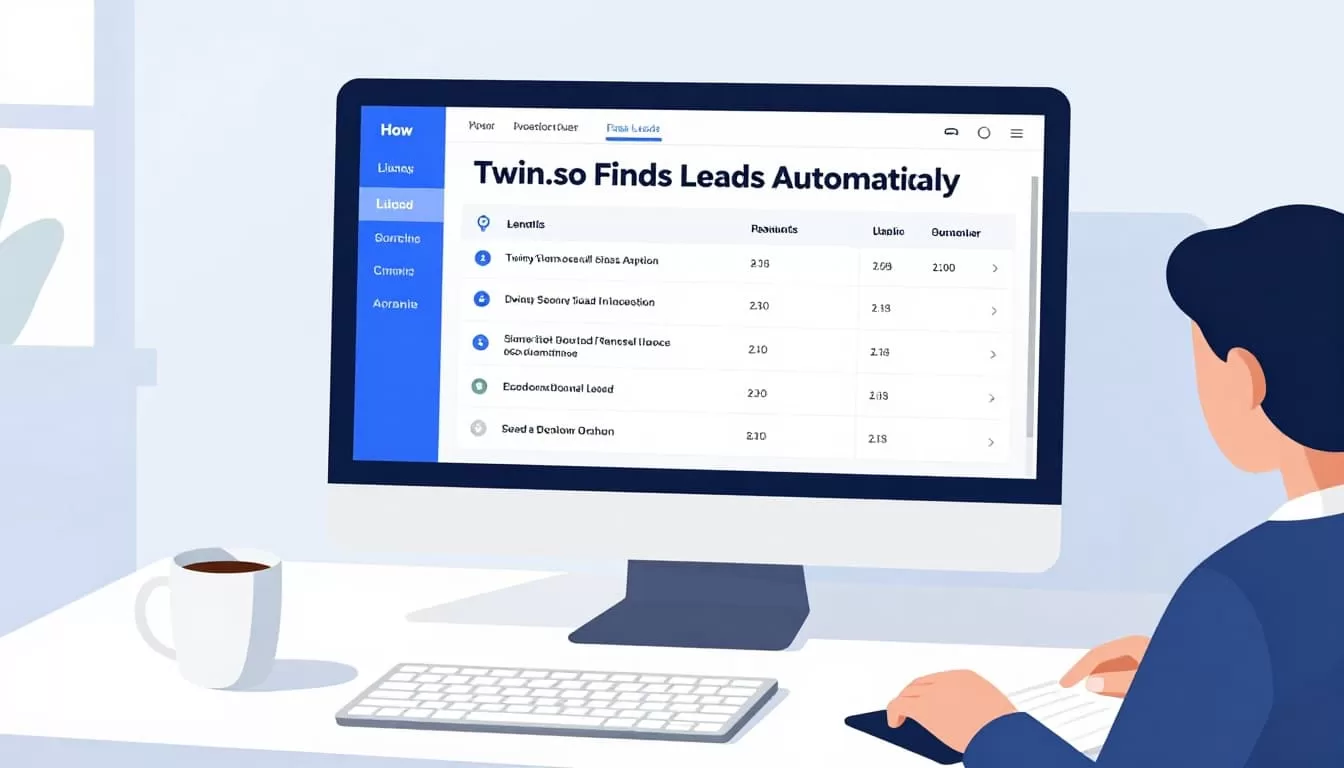
Agents use browser tools too. They log into paid portals you access. One agent I built monitors job boards for hiring signals at target firms. It enriches with emails and phones. Results land in Slack for quick review. No more spreadsheets or guesswork. For details on their sales outreach agents, check Twin.so’s page.
This setup saves me 10 hours weekly. Leads arrive fresh each morning.
Step-by-Step Setup Guide
Start simple. Sign up at Twin.so and pick a pre-built prompt. Tabs cover sales and lead gen. One click loads “Find UK businesses, audit sites, draft emails.”
Next, tweak the prompt. Add your ideal customer profile. I specify “retail chains under 50 employees, active on LinkedIn.” Hit build. The orchestrator creates the agent in seconds.
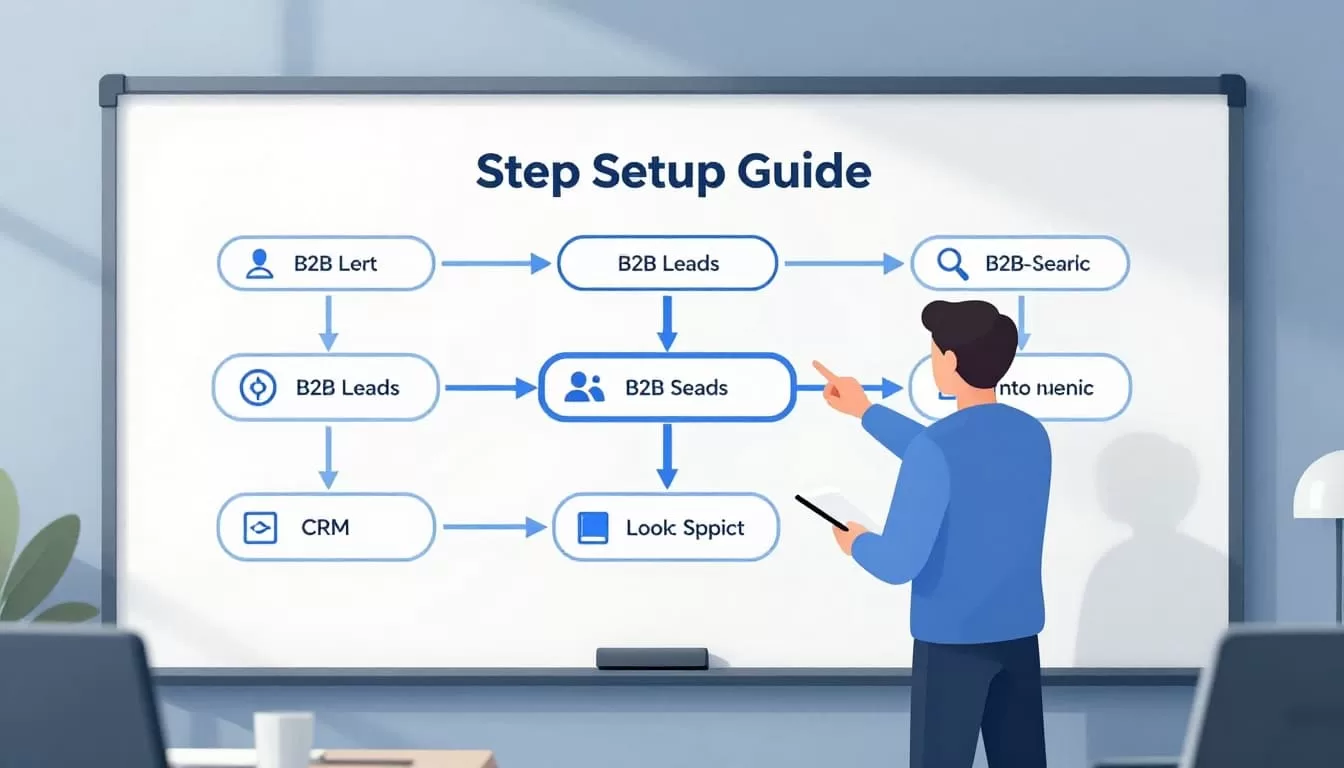
Set a trigger. Schedules work best for daily runs. Or use events like new Reddit posts. Connect OAuth for tools like LinkedIn. Test the agent on a small batch.
Finally, link outputs. Slack gets leads and drafts. Calendly slips into replies. Their quickstart guide walks through this with examples. I run mine daily at 8 AM. First week yielded 25 qualified leads.
Watch credits though. Building agents costs more than running them.
Real-World Use Cases
As an SDR, I focus on volume. Twin.so feeds my pipeline. It finds Malaysian packaging firms from Google Maps. I review drafts in Slack, then send. Meetings book faster now.
Founders like me test markets lean. One agent targeted local retail for my AI tool. It spotted weak online presences and drafted pitches. Three conversions in a month.
Agencies scale client work. Build one agent per vertical. Deliver lead lists on autopilot. RevOps teams enrich CRMs. Agents pull signals and sync data, cutting manual entry.
See more on their use cases page. Pairs well with tools like Hunter.io for lean sales teams.
Key Integrations That Power My Workflow
Slack is core. Leads post there with details and drafts. Team reviews before send. Calendly adds booking links automatically.
APIs connect anywhere. I link to my CRM for enrichment. Browser agents handle LinkedIn or Upwork logins. No code needed. Multi-channel support covers email, SMS, even WhatsApp.
This stack keeps data flowing. Yet, it shines most with your existing access.
Benefits and Honest Limitations
Benefits stand out. Daily leads without burnout. Drafts match my voice after tweaks. Scales to multiple agents. Costs stay low since it picks cheap models.
Limitations exist. Beta features can glitch. Human approval gates full automation. Prompts need practice; bad ones yield junk. No built-in sending tracker like Apollo.io CRM sync.
Pricing hides behind login. Expect usage-based credits. Test free tiers first.
Key Takeaways
Twin.so automates the grind of B2B lead generation for me. Agents deliver consistent prospects. Setup takes minutes, results build over time.
You gain time for closes, not searches. Start with their pre-builts. Review outputs closely at first. It fits SDRs to RevOps perfectly.
Try it if outbound overwhelms you. My pipeline runs smoother now.
