Deploy B2B SaaS Referral Software With Rewardful
Referral software does not create revenue by itself. B2B SaaS referral software works when a real customer, a paid subscription, and a commission record match every time. Rewardful gives SaaS teams a way to track referral links, calculate c...
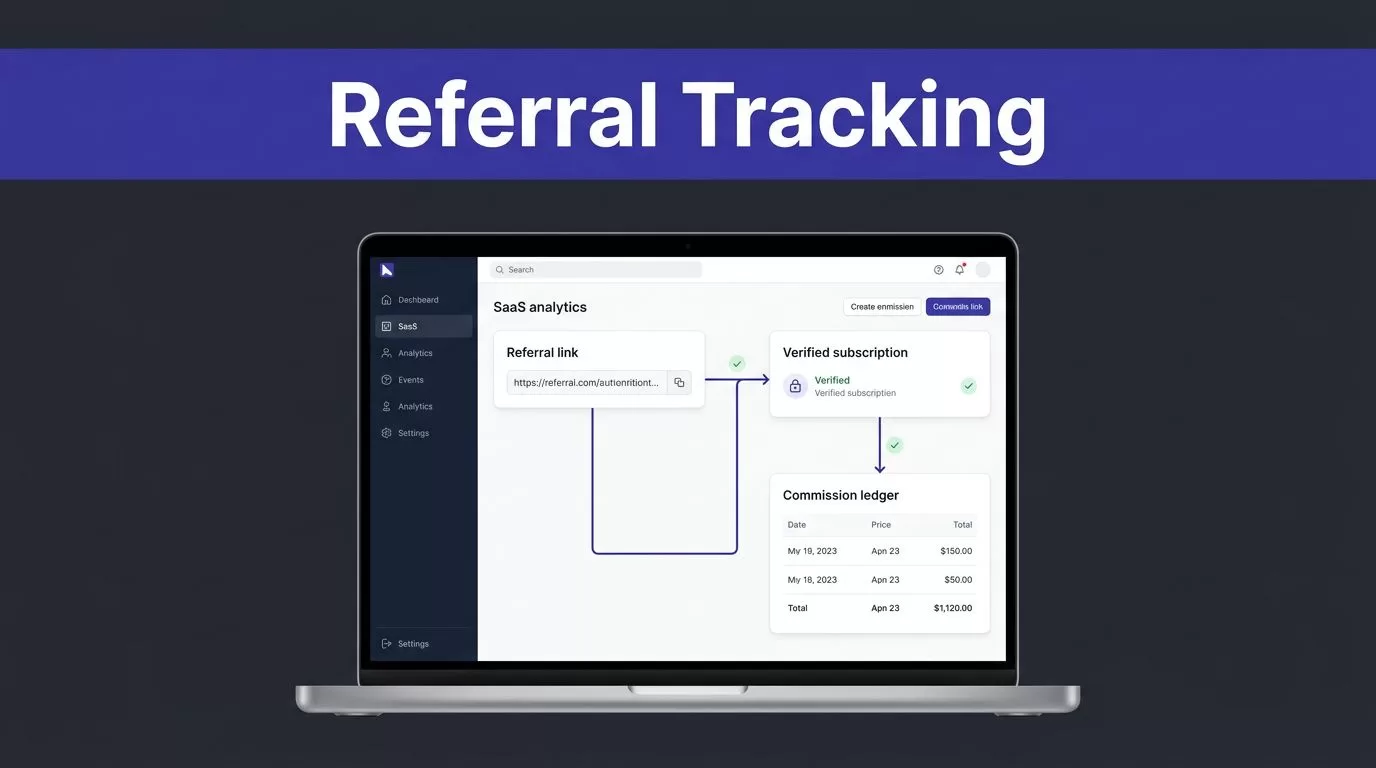
Referral software does not create revenue by itself. B2B SaaS referral software works when a real customer, a paid subscription, and a commission record match every time.
Rewardful gives SaaS teams a way to track referral links, calculate commissions, and manage partner payments around supported billing platforms. But the deployment still needs clear rules, tested attribution, and someone who owns exceptions.
Start with a small approved program. Expand only after Rewardful and your billing records agree.
Plan Your B2B SaaS Referral Software Rules
Set program rules before you connect a billing account. Your campaign terms decide who earns, when they earn, and which referrals do not qualify.
Rewardful is built for SaaS affiliate and referral programs, but the platform cannot decide whether a sales-assisted deal, existing lead, or internal purchase should earn a reward. Your team must make those calls first.
Define the qualifying conversion
Pick one event that creates a commission. For many B2B SaaS teams, this is a customer’s first successful subscription payment.
Write down the exceptions. Exclude existing customers, open sales opportunities, cancelled trials, employee purchases, test accounts, and accounts already attached to another partner.
Then set the approval point. You may record a commission at payment, but wait until the refund period passes before approving a payout.
Rewardful supports fixed or percentage commissions. It also supports one-time and recurring structures. Match the reward to your gross margin and retention pattern. A recurring reward may fit a stable subscription business. A one-time reward often gives finance a simpler payout process.
Put the reward terms in plain language
Create a short program page before inviting anyone. State the commission amount or percentage, the cookie period, payout timing, refund treatment, prohibited activity, and support contact.
Explain what happens when two people claim the same account. State whether coupon codes can earn credit. Say whether a referred buyer receives a discount or product credit.
A commission policy is incomplete if a customer-success manager cannot explain it without opening the referral dashboard.
Rewardful records commissions for the referring partner. If your offer also includes a credit for the new customer, define that billing workflow separately. Do not promise an automatic credit unless your subscription process applies it.
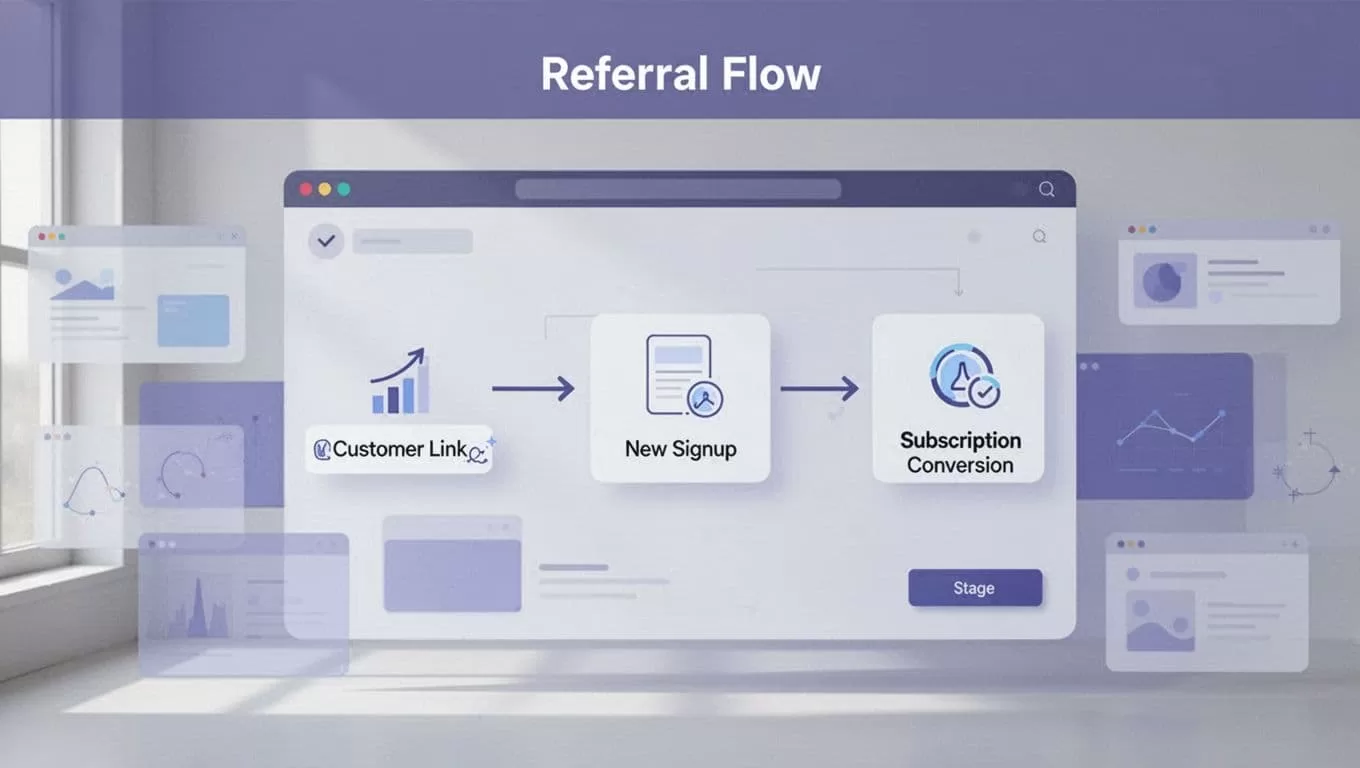
Connect Rewardful to Your Billing Source
Your billing platform is the financial record. Rewardful needs to receive the right subscription, payment, cancellation, and refund data from that source.
Start with Stripe or Paddle
For Stripe subscriptions, use Rewardful’s Stripe integration and complete the authorization from your Rewardful account. Confirm that you are connecting the right Stripe account, especially if you use separate test and live accounts.
Review the products, prices, currencies, and subscription paths that should count. A monthly self-serve plan may qualify. A manual invoice or enterprise contract may need different handling.
If Paddle processes your subscriptions, review the Rewardful Paddle integration before launch. Billing events and checkout flows vary by platform. Test the real conversion path instead of assuming Stripe behavior applies to Paddle.
Check how identity moves through checkout
Rewardful needs a reliable connection between a referral visit and a paying customer. That link can break when a prospect changes devices, uses a different email address, or starts with a trial and later purchases through sales.
Document the identifiers your team will compare during reviews:
- The partner or referrer attached to the referral.
- The customer email or account identifier in your app and billing platform.
- The paid invoice or subscription that triggered the commission.
- The commission record, approval status, and refund status.
Custom checkout pages, SSO flows, and sales-assisted subscription changes need extra attention. If your team cannot map those handoffs, Book A Call before you open the program to customers.
Configure a Campaign That Finance Can Support
Create one pilot campaign first. Do not build separate campaigns for customers, advisors, agencies, and affiliates until the first workflow is stable.
A focused campaign makes attribution errors easier to find. It also gives support and finance one rule set to follow.
Choose the commission structure
Set the reward type, amount, recurring period if used, and cookie duration. Keep the first version simple.
Use the typical B2B buying cycle to set the cookie period. A product with a two-week self-serve trial needs different rules than a tool that spends months in procurement.
Check these items before publishing:
- The commission applies only to the subscription revenue you intend to reward.
- Refunds and cancellations reduce or reverse commissions under your written terms.
- Taxes, credits, and service adjustments have a clear treatment.
- The reward does not exceed the margin you can support at scale.
- Finance knows when commissions move from pending to approved.
Rewardful’s published launch guidance covers the core sequence of connecting billing, setting campaign rules, publishing, and inviting partners. Treat your own billing logic as the final check.
Use referral links and coupons with intent
Referral links work well for customer emails, partner pages, and direct introductions. Give each approved partner one clear sharing route.
Coupon tracking can help when a link is not practical, such as an event, webinar, podcast mention, or sales conversation. Do not issue broad codes without ownership rules. A public discount code can produce attribution disputes fast.
Keep a record of each code, its owner, active period, and permitted channel. Turn off old codes when a partnership ends.
Test Attribution Before You Launch
Do not measure your B2B SaaS referral software deployment by whether a test link opens. Measure whether the right paid customer appears with the right commission.
Run tests in the same checkout and subscription path that real buyers use.
Run a controlled payment test
Use a new test customer that does not match an employee, existing prospect, or prior account. Open a referral link in a clean browser session. Complete signup, begin the paid subscription, and wait for billing data to reach Rewardful.
Then compare the results across both systems. Check the referrer, customer, invoice, subscription amount, commission, and status.
Next, cancel or refund the controlled transaction if your billing setup allows it. Confirm that the commission follows the expected refund workflow.
A completed checkout proves that billing worked. It does not prove that referral attribution and commission logic worked.
Document each test with the date, test account, expected outcome, actual outcome, and owner. Keep the record where finance and support can find it.
Test the failure cases too
Test an existing customer using a referral link. Test an employee account. Test a self-referral attempt. Test a code without a link, a link without a code, and a purchase that starts on one device and finishes on another.
Also test a customer who uses an email address different from the one used during the first visit. That pattern is common in B2B buying teams.
Rewardful includes self-referral detection and refund handling, but your team still needs a review process. Fraud detection can flag suspicious activity. It cannot replace a clear decision about a disputed account.
Do not launch until the test results match your billing data. Fix the tracking path before you invite partners.
Set Privacy, Abuse, and Payout Controls
Referral programs handle personal and payment-related data. Keep the program narrow. Store only what your team needs to attribute a referral, approve a commission, answer a dispute, and meet its recordkeeping obligations.
Limit access and document retention
Give customer success access to referral status if they need it. Restrict commission approvals and payout data to finance or program owners.
Do not copy full billing histories, private sales notes, or payment details into referral spreadsheets. Use the billing platform and Rewardful as the source records.
Your privacy notice and cookie consent process should cover the tracking you use. Review local privacy rules before using referral data for unrelated marketing. Remove access when an employee or contractor leaves the program.
Keep referral terms, approval decisions, and payout records together. A future reviewer should be able to see why a commission was approved or rejected.
Treat fraud review as an operating task
Set one person to review self-referrals, duplicate claims, unusual conversion patterns, and internal purchases. Require evidence before changing ownership of an account.
Approve payouts in batches after commissions clear the applicable refund period. Rewardful supports payment workflows that can include PayPal, Wise, and Managed Payouts. Availability, fees, and approval steps can vary by plan and payout method, so check the current account settings before committing to a schedule.
Never pay a disputed commission only because the dashboard shows a click. Review the customer, paid invoice, referral record, and refund history first.
Monitor the Program After Launch
A referral program needs weekly checks during its first months. Dashboard activity is useful, but accepted, paid referrals matter more.
Measure the outcome your team can verify.
Track the numbers that show program quality
Monitor referred signups, but separate them from confirmed referred customers who paid and retained their subscription.
Track these operating measures:
| Metric | What to Review |
|---|---|
| Confirmed paid referrals | Customers with matching Rewardful and billing records |
| Attribution rate | Paid referrals divided by referral-driven signups |
| Approved commissions | Rewards cleared for payout after your hold period |
| Refund reversals | Commissions reduced after cancelled or refunded revenue |
| Exceptions | Missing, duplicate, self-referral, and disputed records |
| Review time | Minutes spent correcting attribution or payout issues |
Calculate your cost per accepted referral using total program costs divided by confirmed attributed paid customers. Include Rewardful fees, payout fees, discounts, staff review time, and correction work.
A high click count has little value if your team spends hours repairing duplicate claims.
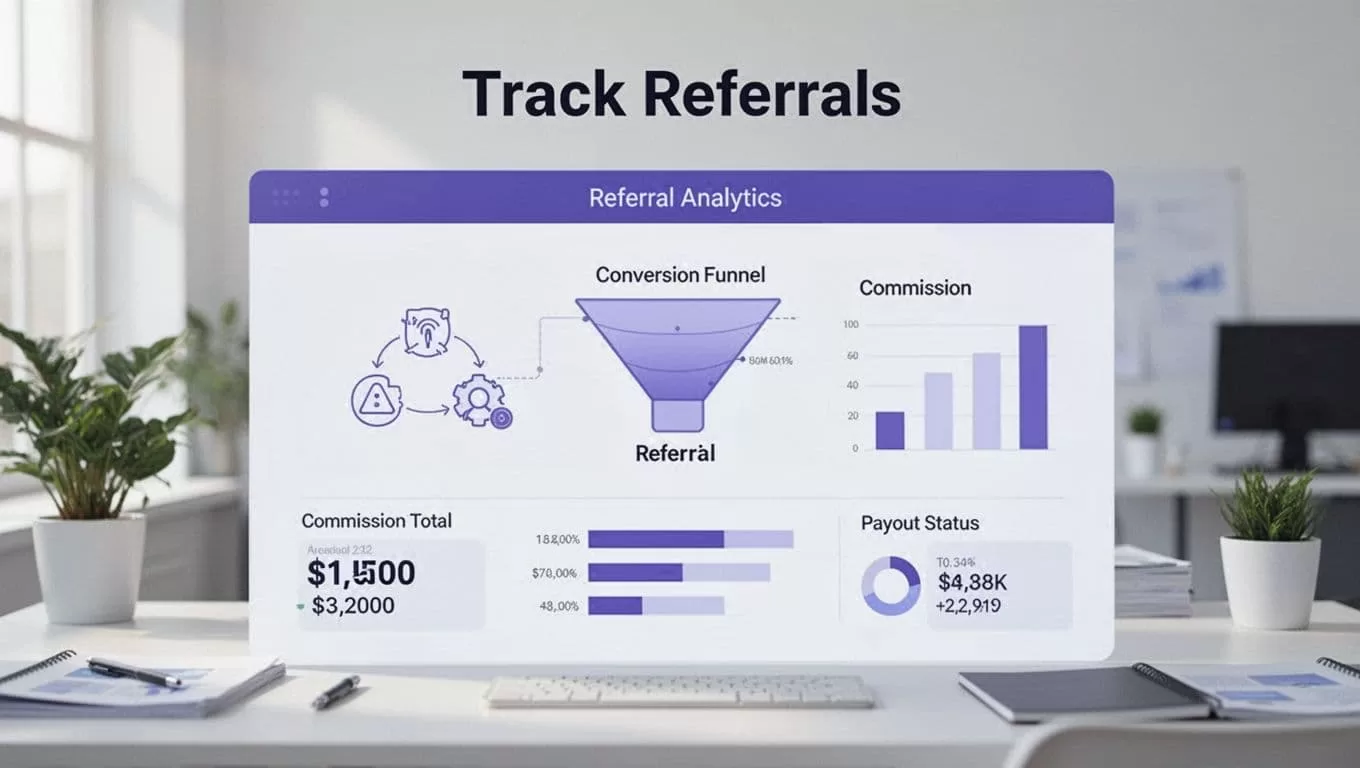
Reconcile and prepare for failures
Each week, review a small sample against Stripe or Paddle. Compare the partner, customer, paid invoice, commission amount, and refund status.
Set alerts for a sudden drop in attributed customers, failed billing sync activity, duplicate claims, and missing referral data. Keep the last trusted commission report before every payout run.
If a checkout update breaks attribution, stop automatic approvals. Revert to manual review while your team fixes the connection. A program that creates thirty minutes of correction work for ten minutes saved is not working.
Build Trust Before You Scale
Rewardful can make referral operations easier, but it cannot repair vague terms or broken billing data. Set the qualifying event, connect the right billing source, configure one clear campaign, and test both success and failure paths.
The strongest B2B SaaS referral software program is not the one with the most clicks. It is the one where your customer, billing, finance, and partner records agree.
