Automate Bank Reconciliation Tasks With Twin.so
Staring at two separate spreadsheets, one from your bank and one from your internal ledger, feels like a full-time job. You check each line, highlight matches, and hunt for the missing pennies that break the balance. This manual grind drain...
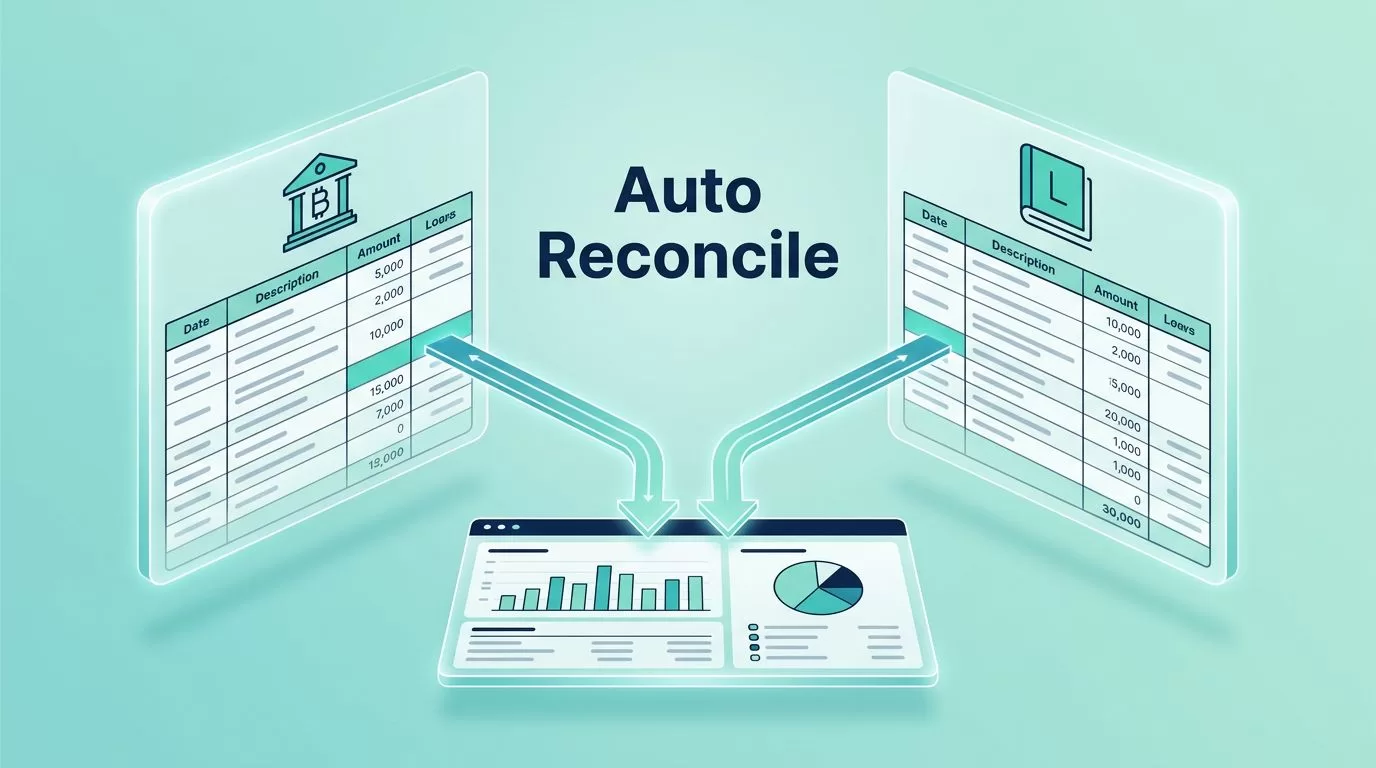
Staring at two separate spreadsheets, one from your bank and one from your internal ledger, feels like a full-time job. You check each line, highlight matches, and hunt for the missing pennies that break the balance. This manual grind drains your team every month. Your time belongs to strategic analysis rather than simple data comparison.
Bank reconciliation automation exists to solve this friction. By moving from manual oversight to system-driven verification, you stop hunting for discrepancies and start managing exceptions. Twin.so offers a way to handle this shift, allowing your finance team to spend less energy on the ledger and more on the business goals that actually matter.
Modernizing Your Reconciliation Workflow

When you choose to automate, you move away from the repetitive act of comparing thousands of rows. Most traditional processes rely on eyes to scan dates, amounts, and reference codes. This method misses errors and creates a massive bottleneck at month-end. You need a setup that flags issues before they become permanent mistakes.
Tools like Twin.so help you standardize how your data meets the ledger. Instead of manually mapping bank imports, the platform handles the heavy lifting by identifying patterns in your transaction flow. It acts as a bridge between your bank feed and your financial records. For a deeper look at how such systems function, review bank reconciliation automation benefits and use cases to see how structured workflows change the speed of your close.
You might wonder if your current process is ready for this change. The best way to start is by looking at your volume. If your team spends hours each week performing the same repetitive matching, it is time to move that task into an automated environment. Automation creates a clear audit trail, so you don’t have to scramble when it is time for a review.
Why Manual Reconciliation Fails Scalable Teams
Manual work relies on individual effort, which is impossible to scale. Every new bank account or payment processor adds complexity to your spreadsheet. Errors become inevitable when fatigue sets in during the final days of the month. A missing fee or a duplicate deposit can stall your entire close for hours.
Finance teams often find that the biggest problem isn’t the matching itself; it’s the exception handling. When the numbers don’t match, you lose time investigating why. You shouldn’t have to waste time finding if a payment was reversed or if a fee was processed twice. You can learn more about how to automate bank reconciliation to understand how these systems maintain discipline while increasing speed.
Standardizing your data entry points helps too. If you rely on multiple platforms, consider streamlining batch payments with Wise and accounting software as part of your broader operational cleanup. Reducing the mess before it hits the ledger makes automation much more effective. When your source data is clean, the reconciliation software can do its job without constantly stopping for human input.
Improving Accuracy With System Logic
Reliability increases when you remove the human element from data comparison. Software follows the rules you set, regardless of how many transactions you process. It doesn’t get tired, and it doesn’t overlook a line item because it looks familiar. You get consistency that manual spreadsheets can never match.
By setting up specific logic for your unique accounts, you ensure that every transaction is categorized correctly. If you have complex multi-currency needs, managing these feeds manually is a recipe for error. You can refer to troubleshooting Wise transaction discrepancies to see how applying logic to specific currency flows improves your accuracy.
Automation also brings visibility to your cash position in real time. You no longer wait for the month to end to see if your cash matches your records. This visibility allows for faster decision-making, as you always know exactly what funds are available. Read more about how AI-powered matching and month-end close can save your team dozens of hours of labor each month.
Building a Strong Audit Trail
Auditors want to see how you reached a specific balance. When you work in spreadsheets, showing your work is often an afterthought. You have to hunt for old emails or notes to explain why an adjustment was made. This is frustrating and slow.
An automated platform stores every match, every exception, and every note in one place. If an auditor asks about a specific payment, you can show exactly when it was cleared and by whom. This level of transparency makes your internal reviews much easier. You don’t have to defend your process because the process defends itself through documentation.
If you handle many cross-border payments, this record-keeping becomes even more important. You need to prove that each payment aligns with an invoice. Understanding how to match cross-border payments with invoices is key to keeping your books audit-ready. Automation provides the evidence you need to prove your records are correct without requiring you to build a custom tracking document for every single transfer.
Practical Steps for Implementation
You don’t need to flip the switch on everything at once. Start by automating your highest-volume accounts first. By testing the process on a smaller set of data, you can build confidence in the system. Once the logic holds up, you can expand to your remaining accounts.
Training your team is the next logical step. They need to understand how to interpret the exceptions the software flags. Automation doesn’t replace the accountant; it elevates them. Your team transitions from being data entry clerks to becoming financial investigators who solve the complex issues the machine cannot recognize.
Think about your data flow as a pipeline. Every transaction should follow a path from the bank to the ledger without needing manual intervention. If you encounter a block, identify the cause and adjust the rules in your software. This constant refinement makes your operations more efficient over time. By focusing on the gaps in your workflow, you create a system that grows alongside your business.
Maintaining Financial Control
The goal of implementing a tool like Twin.so is to gain back the time you lost to manual tasks. Automation allows you to focus on the high-level health of your business. You gain insight into your cash flow trends, payment delays, and potential fee optimizations.
Technology is only as good as the process behind it. If you feed bad data into an automated system, you will get bad results. Ensure your team understands the importance of clean input from the start. A few minutes spent verifying your initial settings will save you countless hours of troubleshooting down the road.
Your finance operation deserves to run with speed and accuracy. By moving away from manual spreadsheet maintenance, you remove a major source of stress for your team. You provide them with better tools, clear records, and the ability to contribute to the company’s growth. Embrace the shift to automation so you can focus on building the business instead of balancing the ledger.
Key Takeaways
Automation replaces manual data entry with system-driven workflows, which dramatically lowers the risk of human error. You gain back precious hours each month, allowing your team to handle higher-level financial analysis rather than basic reconciliation.
The value of this transition is measured in accuracy and audit readiness. By centralizing your financial data, you create a clear, repeatable process that scales with your company. Stop fighting with spreadsheets and start using software to manage your ledger with confidence. Consistency is the ultimate result when you choose to automate your bank reconciliation tasks.
