How I Build Niche Skool Communities That Last
I’ve watched too many creators chase broad audiences on platforms that scatter focus. You start with everyone. Then attention splits. Members fade. But when I narrow to a specific group, like solopreneurs scaling email lists past 10,0...

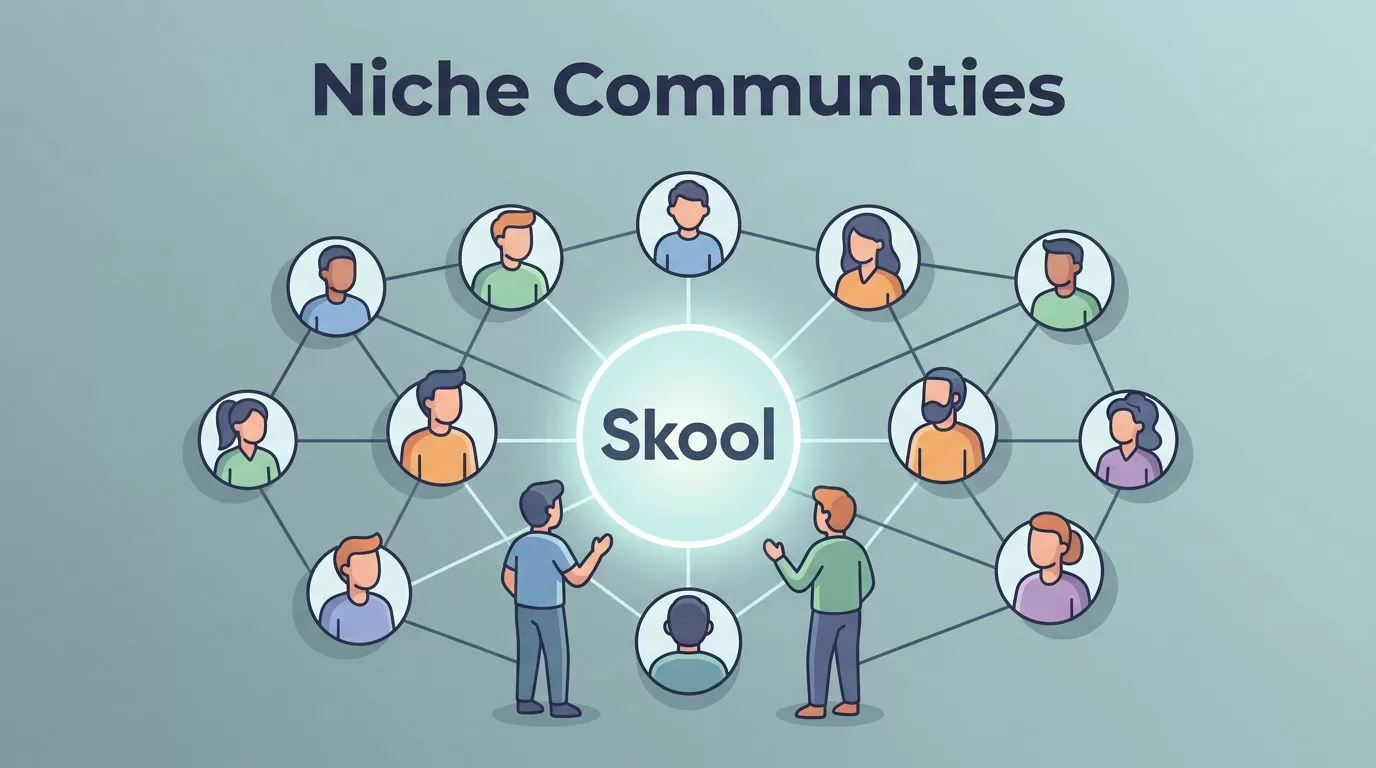
I’ve watched too many creators chase broad audiences on platforms that scatter focus. You start with everyone. Then attention splits. Members fade. But when I narrow to a specific group, like solopreneurs scaling email lists past 10,000 subscribers, things change. They show up because they need exactly that path. Skool fits this perfectly in 2026. It bundles feed, courses, events, and payments without extra apps.
You get a space where people stay because it matches their exact struggle. No ads distract them. No algorithms bury posts. I build these communities for coaches and educators who want steady income from focused groups, paid or free. Let’s walk through how I do it step by step.
Pick a Niche Tight Enough to Own
A niche isn’t just a topic. It’s people in a specific spot with one burning problem. Think busy developers learning Rust for blockchain jobs, not “all programmers.” I scan Skool’s discovery page first. Active paid groups signal demand. Empty spots often mean no real pull.
For example, I once helped a fitness coach target women over 45 rebuilding core strength post-menopause. Broad fitness drowns in noise. Her angle drew 50 members in weeks. They shared scans, progress photos, and tweaks in the feed. Competition proves the market. Check popular Skool niches and their member counts to spot patterns.
Narrow beats clever every time. Ask: Who wakes at 3 a.m. over this? What one result pulls them in? Test by posting in related forums. If replies flood, you have gold.


This warmth pulls people close. They bond over shared hurdles.
I also look at transitions. New agency owners ditching freelance chaos need peers right now. Or indie game devs prepping Steam launches. These groups hum because timing matters. Avoid “entrepreneurs.” Pick “SaaS founders hitting $5K MRR walls.” That clarity sells.
Nail Your Value Proposition
People join for change, not chat. I state the before and after upfront. “Go from scattered ad spends to consistent $10K months in 90 days.” That’s for e-commerce owners using paid traffic. No vague promises. List what’s inside: weekly breakdowns, templates, Q&A.
Your pitch lives on the Skool landing page. Headline grabs. Bullet outcomes. Add proof. One testimonial beats hype. I DM 20 warm leads first. Personal notes convert better. They spread word organically.
See how to create a profitable Skool community step by step for niche validation tips. It matches what I do: expertise plus audience plus problem.
Price matches value. Free works to test. Paid at $27/month keeps serious folks. I offer annual discounts, like Skool’s two free months on yearly plans. Transformation drives renewals. Members see shifts in their wins posts.
Set Up Your Skool Space Right
Skool costs $99 a month flat in 2026. Everything’s included: unlimited videos, members, payments via Stripe. No add-ons needed. I start with categories in the community feed. “Wins,” “Questions,” “Resources.” Keeps chaos out.
Upload a welcome video to classroom. Five minutes max. Cover rules, quick win, next step. Gamification kicks in automatic. Points for posts, comments, lessons. Levels from 1 to 9. I rename them: “Newbie” to “Master” for a writing niche.
Calendar handles events in local timezones. No mix-ups. Enable live streaming for up to 10,000 viewers, no Zoom required. AutoMod filters spammy requests now, better than before.

Setup feels simple here. Plants add calm to the process.
Seed content before launch. Post three threads: your story, a poll, one resource. Mobile app lets members engage anywhere. I link it in onboarding. For retention, check my student retention strategies on Skool. They stop early drift.
Launch with a Simple Plan
Don’t overbuild. Invite 10-20 people first. DM them your pitch. Host a live kickoff. Share screens, answer fires. Record it for replays.
Week one: daily prompts. “Post your biggest hurdle.” Award points manually if needed. Week two: first challenge. Five-day implementation sprints work gold.
Broadcast on X, LinkedIn. Target niche hashtags. “Rust devs: join our launch group.” Free beta fills seats fast. Convert half to paid later.
I follow a seven-day rhythm from building profitable Skool groups. DM leads, seed posts, go live. Growth snowballs as members invite peers.
Track joins via dashboard. Aim for 50 active in month one. Live events anchor it. 30-minute calls build ties.
Drive Engagement After They Join
New members quit if quiet. I post three times weekly. Questions spark talk: “What stalled your last launch?” Spotlight replies.
Use leaderboards. Top posters get shoutouts. Run polls on next topics. Hi-Fi audio shines for music niches now.
Monthly challenges: “Share one client win.” Rewards like template packs motivate. Direct messages for at-risk folks. “Saw your intro. How can we help?”

Interactions like this keep energy high.
Compare to Slack in my Skool vs Slack piece. Skool wins for focused groups. Categories beat channels. Events pull stronger.
Data guides tweaks. Dashboard shows active users. Low? Add lives. Check Skool management best practices for rhythms.
Conclusion
Narrow niches and clear promises make Skool communities stick. I build them by starting small, launching fast, and posting steady. Members engage when they see wins and peers.
Pick one group today. Set up categories. DM five leads. Watch it grow. Your focused space beats broad noise every time.

