How I Spot Digital Marketing Trends Early With Exploding Topics
The best digital marketing trends rarely arrive with fanfare. They show up as small signals first, a rising search term, a new tool category, a thread full of the same complaint, or a sudden shift in consumer behavior in how people ask for...

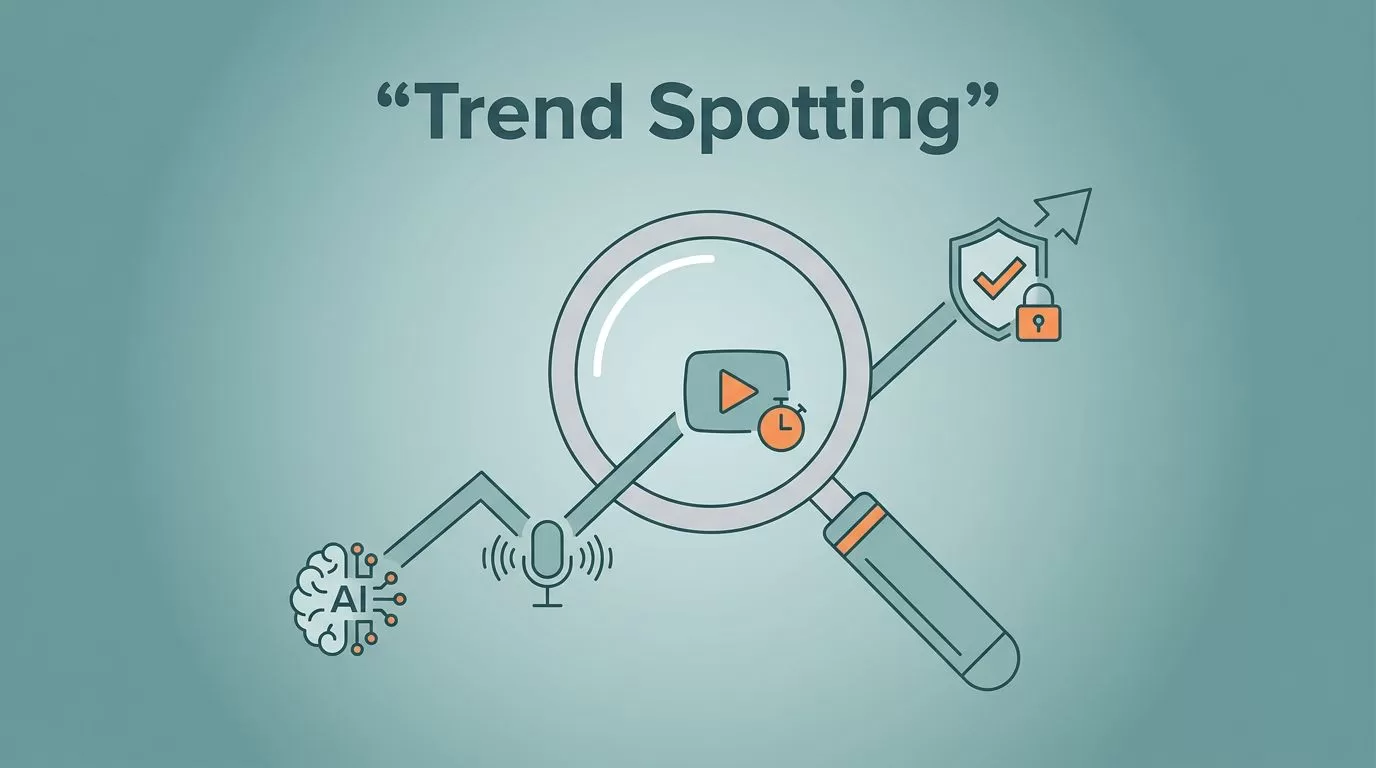
The best digital marketing trends rarely arrive with fanfare. They show up as small signals first, a rising search term, a new tool category, a thread full of the same complaint, or a sudden shift in consumer behavior in how people ask for help.
In April 2026, I watch those clues more closely than ever. AI Overviews, voice search, short-form video, and consent-based personalization are changing what people see, click, and trust, especially when it comes to search engine optimization and visibility. So I don’t wait for a trend to feel popular. I look for proof that it is moving.
Key Takeaways
- Spot digital marketing trends early by tracking movement across sources like Exploding Topics, Search Engine Journal, and industry shifts, focusing on steady climbs in search, social, and buyer talk rather than single spikes.
- Apply a simple filter—check for steady search growth, commercial intent, related products, and audience pain—to separate real signals from hype and ensure the trend ties to buying decisions.
- Turn validated trends into fresh content fast: use low-competition keywords for targeted pieces like how-tos or checklists, repurpose across formats, and slot into a content calendar before momentum fades.
- Validate before scaling by testing small content pieces, monitoring first-party data like clicks and shares, and confirming brand fit for problems your readers face.
- Gain an edge through early pattern recognition to create lasting content on trends like AI overviews, consent-based personalization, and shoppable videos, building trust ahead of the crowd.
I start with movement, not noise
I open Trending Marketing Topics on Exploding Topics to spot emerging digital marketing trends and compare it with a second source, like Search Engine Journal’s 2026 digital marketing trends. The goal isn’t agreement. It’s pattern match.
A topic matters more when it shows up in search, social search, influencer marketing, tool launches, and buyer talk at the same time. One spike can be a fluke. A steady climb across channels feels different. It looks less like hype and more like demand taking shape.
I also listen for pain. Are teams asking how to use artificial intelligence in content ops? Are founders trying to replace slow manual work with automation? Are marketers worried about traffic loss from artificial intelligence answers? Those questions point to real budget pressure.
When a trend touches a wider market shift, I compare it with fast-growing industries 2026. That helps me see whether I’m watching a small fad or a bigger wave.
My filter for separating a real signal from hype
A spike can fool me. So can a polished tool demo. I use a simple filter before I spend time, money, or attention.


This quick check keeps me honest.
| Signal | What I check | Why I care |
|---|---|---|
| Search growth | Steady rise over months via machine learning in modern search algorithms | Shows real demand |
| Commercial intent | Pricing, tools, comparisons, return on investment | Shows buyer interest |
| Related products | New vendors or features | Shows market money |
| Audience pain | Repeated complaints, shifts in consumer behavior, or jobs-to-be-done | Shows a useful angle |
If a topic only gets attention, I stay cautious. If it also connects to a buying decision, I pay closer attention. That difference matters.
I don’t buy the spike. I buy the pattern behind it.
This is where many teams go wrong. They chase the loudest topic, then wonder why traffic fades fast. I prefer slower proof, which builds brand trust. It saves me from building content around a passing mood.
I turn a trend into content while it still feels fresh
Once a signal passes my filter, I move fast. I don’t start with a giant content plan. I start with one useful angle.
First, I use low competition keyword discovery to find the earliest useful search term around the trend. I look for the question behind it. That might be a how-to, a comparison, a checklist, or a use-case page.
For example, if a trend around AI search keeps rising, I won’t write a vague think piece. I’ll build a page on generative engine optimisation for how teams get found in AI answers. If short-form video is getting more attention and shifting toward social commerce, I might map out how to turn one demo into five clips. If privacy-first targeting is growing, I might write about consent-based personalization for B2B offers.
Then I decide how the idea should ship. A strong topic often needs more than one format. I may turn it into a blog post, a LinkedIn post, interactive content, or a newsletter note. To keep that moving, I slot it into a social media content calendar strategy before the momentum disappears.
That pace matters. A trend loses value when it sits in a draft folder too long. Timing can matter as much as the topic itself.
I validate the trend before I bet the brand on it
Not every trend belongs in my content mix. Some topics, like augmented reality, are too wide. Others attract the wrong audience. A few are popular, but they don’t fit my offer.
So I ask four simple things. Does this help my readers solve a real problem? Can I connect it to a product, service, or workflow, such as omnichannel customer experience? Can I talk about it without sounding off-brand? Can I keep covering it for months, not days?
If the answer is yes, I test it in a small way. I publish one focused article. I watch the clicks, the scroll depth, and the replies. I look for saves, shares, and follow-up questions. Those signals from first-party data tell me more than vanity views ever could.
I also check whether the topic fits the kind of business I serve, with an eye on data ethics. A trend around AI agents might matter a lot for B2B ops teams. A trend around creator merch might not. Fit matters because it shapes trust. Readers can feel when a brand is forcing the fit, undermining brand authenticity.
When I want a second view on the market, I compare the trend with Brandwatch’s 2026 digital marketing trends. That helps me see whether the topic has staying power or just a loud week.
Frequently Asked Questions
How do you spot digital marketing trends early?
I start with tools like Exploding Topics for emerging topics and cross-check with sources like Search Engine Journal. I look for patterns across search growth, social mentions, tool launches, and audience pain points, ignoring isolated spikes. This catches real demand before it goes mainstream.
What’s your filter for separating real trends from hype?
I check four signals: steady search growth over months, commercial intent in queries like pricing or ROI, new related products, and repeated audience complaints. If it only gets attention without buying signals, I stay cautious. This keeps me focused on patterns that build demand.
How do you turn a trend into content while it’s fresh?
I find low-competition keywords tied to the trend’s core question, then create targeted content like how-tos or checklists. I repurpose into blog posts, LinkedIn updates, or videos, and add to a social media content calendar. Speed matters—don’t let it sit in drafts.
How do you validate a trend before betting your brand on it?
I ask if it solves reader problems, fits my brand and offer, and sustains coverage. Then I test with one focused piece, tracking clicks, shares, and questions from first-party data. If it resonates and aligns with business like B2B ops, I scale it.
Why focus on early pattern recognition?
It lets you publish and test before the crowd, turning trends into trust-building content on topics like employee advocacy or retail media networks. Chasing loud hype leads to fading traffic; patterns predict lasting shifts. This saves time and positions you ahead.
The edge is in early pattern recognition
The point of trend spotting isn’t to sound smart in a meeting. It’s to publish, test, and adjust before the crowd shows up. Exploding Topics gives me the first signal. My filter tells me whether the signal deserves attention. Then I turn it into content and see how the audience reacts.
That approach keeps me focused on digital marketing trends that matter, such as employee advocacy, micro-communities, sustainability, and inclusivity and diversity, not just the ones that look exciting. It also saves time, because I can ignore the noise with confidence.
The best moment is not when a trend is everywhere. It’s when I can still act on it before everyone else has written the same post. This strategy prepares you for specific shifts like nostalgia marketing, shoppable videos, retail media networks, and synthetic data in artificial intelligence.

