How I Identify Emerging Gaming Platforms on Exploding Topics
The gaming platforms that matter in 2026 usually don’t arrive with fanfare. They show up as small search bumps, a fresh funding round, or a creator group that keeps coming back. I use Exploding Topics to catch those early ripples, the...


The gaming platforms that matter in 2026 usually don’t arrive with fanfare. They show up as small search bumps, a fresh funding round, or a creator group that keeps coming back.
I use Exploding Topics to catch those early ripples, then I test whether the pattern looks like a real platform or a short-lived wave. That matters because a game can trend for a weekend, while a platform needs builders, tools, and repeat use.
When I compare signals this way, I can spot momentum before it turns crowded.
I start with trend motion, not hype
I don’t treat a single spike as proof. I treat it like a door crack that might open wider.
When I search for emerging gaming platforms, I look for phrases tied to platform behavior, not just entertainment. Terms like “AI game creation platform,” “cloud gaming,” “game launchpad,” and “multiplayer server platform” tell me more than a popular title ever will.
That is where my own Exploding Topics vs search volume process helps. Search volume shows what people already noticed. Trend data shows where attention is starting to gather.
I also compare those ideas with my future tech trends in 2026 notes, because gaming platforms rarely grow alone. They move with AI tooling, payments, creator tools, and better device access.
A platform feels real when I can name the people who use it. Developers build on it. Creators publish on it. Players return to it.
The signals that separate buzz from durable growth
I sort every candidate with the same lens. If a platform only wins attention, it is noise. If it keeps adding users and builders, I pay attention.
| Signal | Short-term buzz | Durable growth |
|---|---|---|
| Search growth | One sharp spike | A steady climb for weeks or months |
| Developer adoption | Demo chatter | Docs, SDKs, integrations, and community posts |
| User engagement | First-week curiosity | Repeat play, creator activity, and social sharing |
| Monetization | Hype posts | Subscriptions, marketplace fees, or backend usage |
| Funding and roadmap | Announcement only | New releases, hiring, and shipped features |
I want at least three durable signs before I call a platform emerging. One signal tells me people noticed. Several signals tell me a market may be forming.
A real platform pulls builders in, then keeps them there.


I also watch the language around the product. If people talk about tools, workflows, and monetization, I lean in. If they only talk about novelty, I stay cautious. Buzz fades fast. Platform behavior leaves a trail.
The April 2026 platforms I’m watching
Verse8 is one of the clearest AI-first bets. In this Nextbiggames report on its $5 million raise, the pitch is simple, turn a prompt into a game faster. That matters because it lowers the first barrier, which is time. I watch it for indie creators and rapid prototyping teams.
Playmaker is another name on my list. Its Q2 2026 launch announcement points to a broader idea, a game creation and launchpad layer. I read that as a bet on funding, discovery, and creator access in one place.
I also keep an eye on Decentraland, because creator-owned worlds still have a place when communities want events, digital land, and shared ownership. It attracts users who care about identity and community more than raw graphics.


On the infrastructure side, I watch the Gameye roadmap because backend capacity is where multiplayer platforms prove they’re serious. Server tools rarely get headlines, yet they matter when real traffic shows up.
Cloud gaming also stays on my radar. It reaches players who do not want a console upgrade, and it makes high-end play more portable.
My scorecard before I trust a platform
I usually ask five questions.
- Does search growth hold for more than one news cycle?
- Are developers building tools, mods, or integrations?
- Do players come back without constant promos?
- Is the money path clear, such as subscriptions, fees, or marketplace cuts?
- Does the roadmap show shipped features, not vague promises?
When those answers line up, I stop calling it a guess and start treating it like a platform in motion.
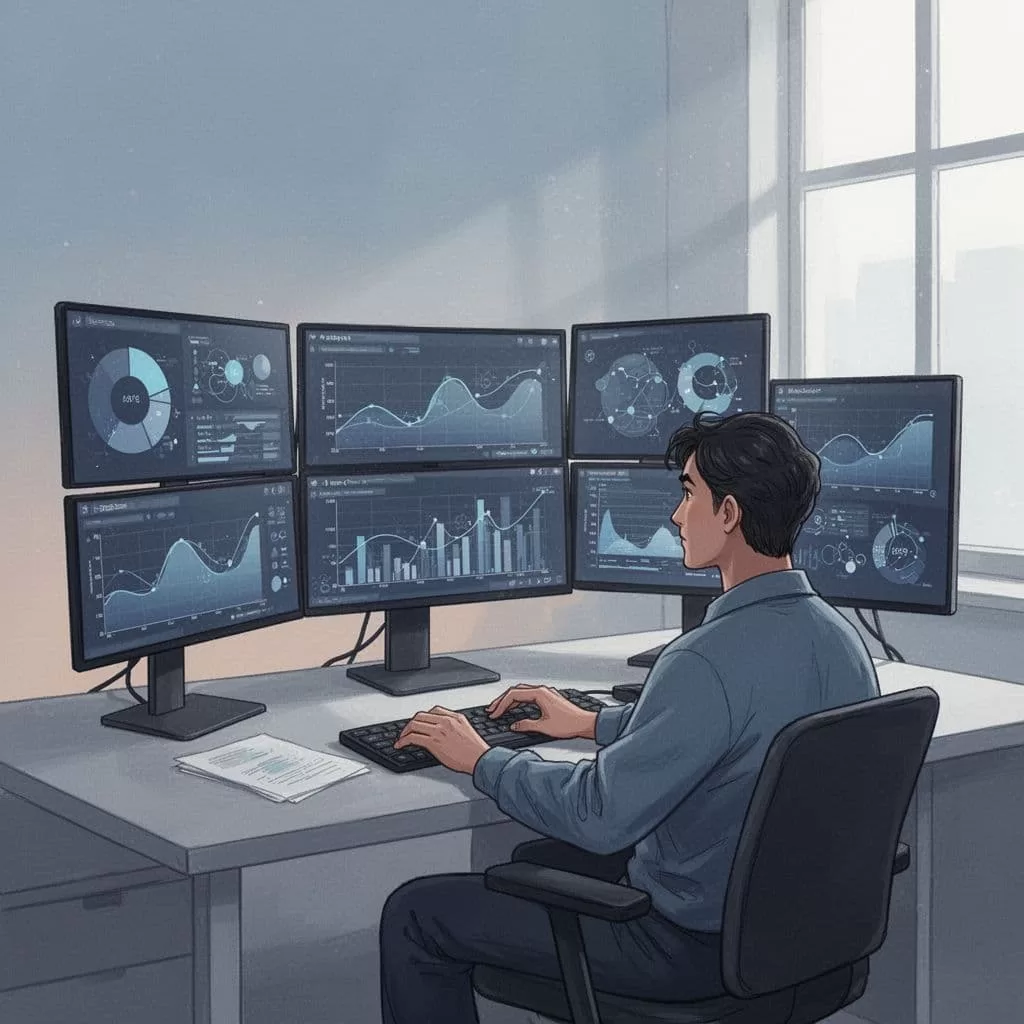
I also look for friction. If the signup flow is clumsy or the hardware ask is too high, growth can stall. If the product works on a phone, a browser, or shared backend tools, the odds improve.
That is why I care about ecosystems, not just launches. A platform with creators, devs, and paying users has a better shot at lasting.
What I keep watching next
The smartest way I know to identify emerging gaming platforms is simple. I look for motion, then proof, then repeat use.
In April 2026, the strongest signals come from AI creation layers, creator ecosystems, cloud access, and backend tools that make multiplayer work. That mix tells me a platform can grow beyond one hot post.
If I want a wider view, I return to my future tech trends in 2026 notes and check whether gaming still fits the same pattern. When the search curve rises, the product keeps shipping, and the community stays active, I know I’m looking at something worth my time.

