How I Track Emerging Travel Destinations on Exploding Topics
I don’t wait for a destination to become a travel cliché before I notice it. By then, flights are fuller, hotel rates are harsher, and the best stories are gone. When I track emerging travel destinations on Exploding Topics, I look fo...

I don’t wait for a destination to become a travel cliché before I notice it. By then, flights are fuller, hotel rates are harsher, and the best stories are gone.
When I track emerging travel destinations on Exploding Topics, I look for a rise that repeats across search, routes, hotels, and social chatter. In April 2026, places like Kazakhstan and Albania keep surfacing in the same conversation, but I still test the signal before I trust it. That keeps me from mistaking curiosity for demand.
I start with momentum, not a glossy headline
I usually begin with the travel topics feed on Exploding Topics. I’m not looking for the loudest place on the page. I’m looking for a pattern that keeps showing up in different forms.
A single spike can be a passing mood. A cluster of related searches, destination names, and trip-planning phrases feels different. That’s where my trend discovery process helps me stay focused. I ask whether the rise is tied to real traveler behavior, or whether it just looks exciting for a week.


That first scan tells me where to dig next. If the chart is rising because people want better value, quieter beaches, or a better shoulder season, I pay attention. If it rises because one creator made a pretty video, I slow down.
How I separate hype from durable demand
A hot destination isn’t the same as a lasting one. I look for signs that a place is becoming part of a travel habit, not just a passing idea.
| Signal | Short-lived hype | Durable travel trend |
|---|---|---|
| Search curve | Sharp spike | Steady climb |
| Main reason to visit | Curiosity or a viral post | Value, access, season, clear experience |
| Related trip ideas | One viral format | Multiple trip styles, hotels, routes, tours |
| Planning language | Likes and saves | Comparisons, bookings, and practical questions |
I trust a destination more when the conversation shifts from “looks nice” to “how do I get there.”
That’s where my process for separating hype from buyer needs keeps me honest. I want repeat interest, not one loud burst.
Seasonality matters too. A place can look weak in winter and strong in spring. That’s why I pair trend data with my seasonal launch timing. If a destination has a narrow window, timing can make the difference between a smart pick and a missed shot.
The signals I use to validate momentum
Once a destination looks promising, I test it against the outside world. I want more than one signal in the green.

| Signal | What I check | Why it matters |
|---|---|---|
| Search interest | Are searches rising month over month, and do related queries keep growing? | Real intent often shows up in repeated wording. |
| Airline routes | Are carriers adding direct or seasonal routes? | More seats make a place easier to reach. |
| Hotel development | Are new hotels, boutique stays, or eco-lodges opening? | Operators rarely build for a dead market. |
| Social media buzz | Are posts driving saves, comments, and trip planning, or just likes? | Planning language is stronger than vanity buzz. |
| Seasonality | Is the rise tied to a clean travel window? | Shoulder-season timing can turn a small destination into a smart pick. |
| Traveler intent | Are people asking how to get there, where to stay, and what to do? | That language is closer to booking than browsing. |
I also compare what I see with Exploding Topics’ travel trends page. It gives me a second pass on what’s rising, while TravelPulse’s 2026 emerging destinations roundup helps me compare trend lists against a broader travel view.
When all of those signals point the same way, I feel better about the destination. If they disagree, I wait.
What April 2026 is telling me
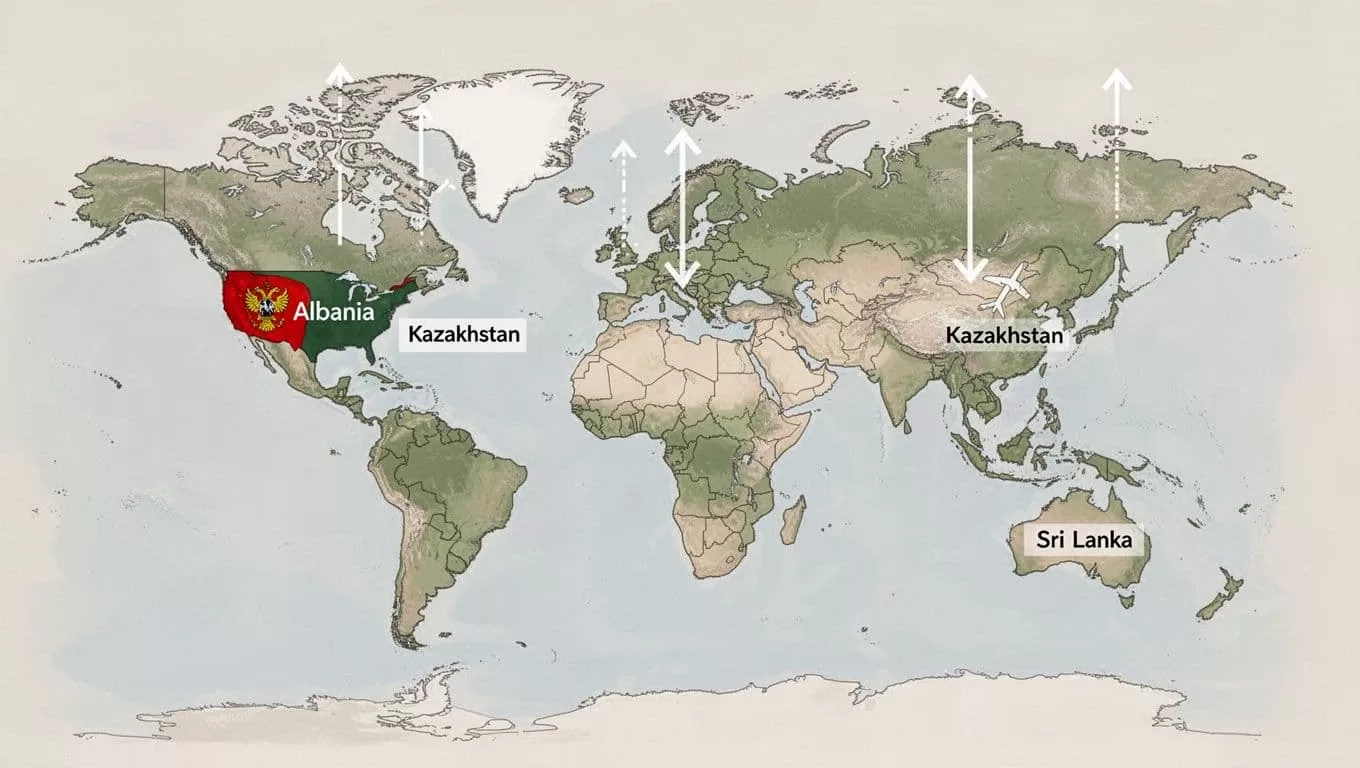
In April 2026, Kazakhstan stands out because it checks more than one box. I see interest around scenery, culture, and a spring window that feels practical. Albania gets attention for a different reason. It mixes value, beaches, and a sense of discovery, which makes it easy to share and easier to book.
I keep Sri Lanka, the Peloponnese, Bohemian Paradise, and Morocco on my watchlist too. They show up in spring travel chatter for different reasons, but the same rule applies. I ask whether the interest is moving beyond social media and into real trip planning.
That’s also where I borrow the same thinking I use for trending business ideas. A good signal grows into adjacent behavior. A weak one stays trapped in the feed.
When I’m looking at a destination, I want to see practical intent. People start asking about flights, weather, neighborhoods, and day trips. That is a better sign than a wall of pretty photos.
How I turn the trend into a decision
If I’m a traveler, I use the trend to plan earlier and avoid the rush. If I’m a marketer, I use it to build content before the crowd arrives. If I work in travel, I use it to spot where demand may need more seats, more rooms, or better timing.
The key is restraint. I don’t book a place just because it’s rising. I book when the rise looks durable and the trip fits my schedule. That same patience helps me avoid expensive mistakes.
I also watch the calendar closely. A destination that looks quiet in the wrong season may be perfect in the right one. A place that feels crowded in July can feel fresh in April or October. Timing changes the story.
The best emerging travel destinations don’t shout first. They build a quiet trail of search, routes, stays, and intent. That trail is what I trust.
When I see the same place keep appearing across those signals, I know I’m not chasing noise. I’m watching demand form before it becomes obvious.

