Is Skool the Right Facebook Groups Alternative for You?
A community can feel cheapened fast when the next post beside it is an ad, a meme, or an argument. If you’re hunting for a Facebook Groups alternative, that noise is usually the reason. I see this most with creators, coaches, course s...

A community can feel cheapened fast when the next post beside it is an ad, a meme, or an argument. If you’re hunting for a Facebook Groups alternative, that noise is usually the reason.
I see this most with creators, coaches, course sellers, and membership owners. They don’t need more reach at any cost. They need a place where members can learn, talk, show up for events, and pay without leaving the room. That’s where Skool starts to look attractive.
Why Skool feels calmer than Facebook Groups
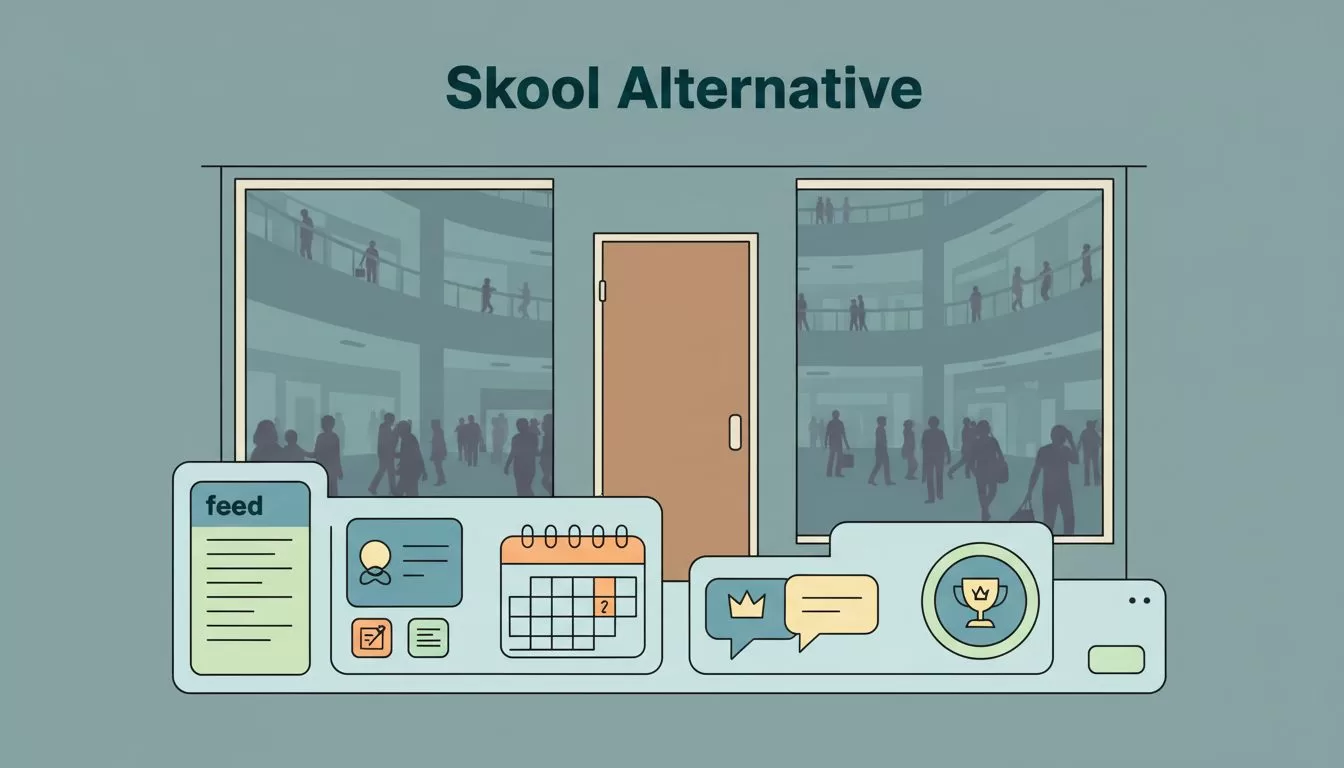
When I compare the two, Facebook feels like renting a booth in a busy mall. People can find you, which is useful. Yet they can wander off in seconds, because the platform is built to pull attention sideways.
Skool feels more like a small workshop with one front door. Members land in a focused space with a feed, classroom, calendar, chat, and leaderboard. That tighter layout changes behavior. A recent hands-on Skool review makes a similar point: the simple setup is the draw, even if the platform still has limits.


That cleaner experience matters for community quality. In Facebook Groups, discoverability is wider because people already live on Facebook. On the other hand, Skool’s built-in discovery is smaller but often more intentional, which matches how Learning Revolution describes Skool’s community-first growth model. I get less random traffic there, but I also get fewer tire-kickers.
Skool feels calmer because it removes noise, but calm also means less accidental reach.
Moderation follows the same pattern. Facebook still has the edge in familiarity, and most members already know how to join, comment, mute alerts, and report trouble. Skool wins by shrinking the mess. There are fewer places for spam to hide, and I can guide members through a simpler path. Events also feel more central on Skool, because the calendar sits beside the community instead of getting buried inside a wider social feed. On mobile, Facebook wins on habit. Most people already have it. Skool wins on focus, because the app experience is about the group, not everything else.
Where Skool pulls ahead: courses, points, and payments
If I’m weighing cost against function, this is the quick snapshot I use for 2026.
| Feature | Skool | Facebook Groups |
|---|---|---|
| Cost | $9 Hobby or $99 Pro, plus fees | Free |
| Selling access | Native payments | External checkout |
| Courses | Built-in classroom | Posts, guides, files |
| Engagement | Points, levels, leaderboards | Reactions, comments |
The big takeaway is simple: Facebook is free reach, while Skool is paid structure.
Current pricing data shows Skool has a Hobby plan at $9 per month with a 10% transaction fee, and a Pro plan at $99 per month with a lower 2.9% fee. If I’m testing a small paid offer, Hobby can make sense. If sales climb past roughly $1,200 per month, Pro often becomes cheaper overall. Pricing and features can change, so I always tell people to verify details on the official sites before moving a community.
The classroom is where Skool separates itself most clearly. I can organize lessons, videos, and discussion in one place instead of pinning posts and hoping people find the right thread later. That matters for cohort courses, masterminds, and memberships with a learning layer.

Still, I wouldn’t treat Skool like a full learning management system. Current 2026 data suggests it still lacks built-in quizzes, homework, certificates, drip content, and native Zoom links. If your business depends on those features, I’d look beyond Facebook and beyond Skool too. This roundup of Skool alternatives is useful for seeing where other tools go deeper.
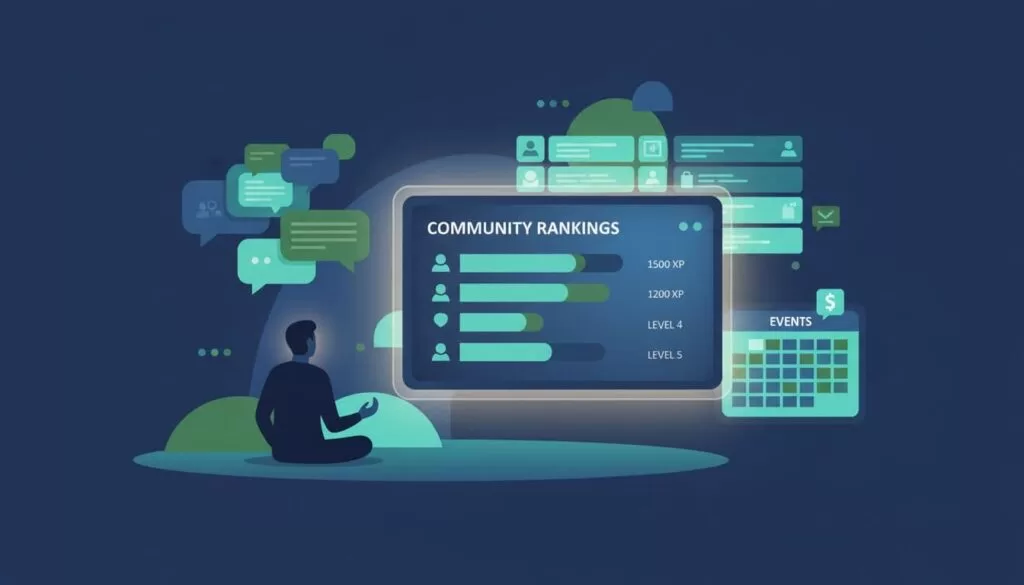
Then there’s gamification. Facebook Groups can be lively, but Skool gives me points, levels, and leaderboards that reward action. That sounds small until you watch members return because they want to stay near the top. For accountability-based communities, that can feel like adding a scoreboard to practice. People show up more often because progress becomes visible.
When I’d choose Skool, and when I’d stay with Facebook Groups
I lean toward Skool when the community is part of the product. That includes paid memberships, coaching programs, course communities, and mastermind groups where focus matters more than raw reach. It’s also a better fit when I want discussion, lessons, events, and payments in one place. For those use cases, Skool is a stronger Facebook Groups alternative because the member journey feels tighter from day one.
I still choose Facebook Groups when I need the easiest possible entry point. Free challenges, local communities, nonprofits, broad-interest hobby groups, and early audience building can still work well there. If your members already live on Facebook and don’t want another app, friction stays low. I also keep Facebook in play when budget is tight and I don’t need courses, gamification, or built-in payments. A recent Skool vs Facebook Groups breakdown lands in a similar place: focus and monetization point toward Skool, while free reach points toward Facebook.
The ownership question sits in the background too. Neither option is true ownership in the self-hosted sense. Still, Skool gives me more control over the member path, and Pro adds a custom domain. Facebook gives me audience access, but not much control over the environment around that audience.
The best platform is the one that matches the business model behind your community. If attention is the product, Facebook may be enough. If transformation is the product, Skool usually makes more sense.
Before you migrate, map the path a member should take in week one. Then test that path with a small group, because the right home should feel clear the moment someone walks in.

