Increase YouTube Subscribers with Transistor.fm and Opus
Subscribers do not grow because you publish more files. They grow because each upload gives viewers a clear next step. In 2026, the cleanest path is a full podcast episode in Transistor.fm, then a clip stack in Opus, then a YouTube channel...

Subscribers do not grow because you publish more files. They grow because each upload gives viewers a clear next step.
In 2026, the cleanest path is a full podcast episode in Transistor.fm, then a clip stack in Opus, then a YouTube channel that looks consistent. That keeps the work focused and gives YouTube a channel it can read fast. Use the long episode to build trust. Use the clips to pull in the first click.
Key Takeaways
- Transistor.fm holds the full episode and the YouTube distribution path.
- Opus turns one recording into Shorts and teaser clips that can bring in new viewers.
- Titles, thumbnails, descriptions, and end screens decide whether a viewer stays.
- A narrow channel promise beats a mixed feed every time.
- Consistency matters more than bursts of random uploads.
Build the Full-Episode Pipeline in Transistor.fm
Transistor is the base layer. It keeps the feed clean, hosts the master episode, and gives you a route to YouTube when your account has video podcast access. If you are on the right plan, connect your Google account, pick a playlist, choose the category, and publish one master file instead of juggling separate uploads.
If the show is audio-first, use a simple 1280 by 720 background so the YouTube version looks intentional. If your recording habits are still loose, tighten the source first with a 2026 podcast strategy guide. A cleaner source file always gives you better clips.
A simple split helps.
| Tool | Job in the workflow | Subscriber effect |
|---|---|---|
| Transistor.fm | Hosts the full episode and sends it to YouTube | One canonical upload |
| Opus | Breaks the episode into clips | More entry points |
| YouTube | Sorts the package and serves it to viewers | Watch time and repeat views |
That split matters because it removes duplicate work. The full episode builds authority. The clips create discovery.
Use this setup path:
- Record one episode around one clear topic.
- Upload the master file to Transistor.
- Connect YouTube, then pick the playlist and category.
- Write episode notes in short bullets, with clean links and no clutter.
- Keep the background image and channel branding consistent across uploads.
The goal is one source of truth. The same episode feeds the podcast, the video version, and the clip workflow.
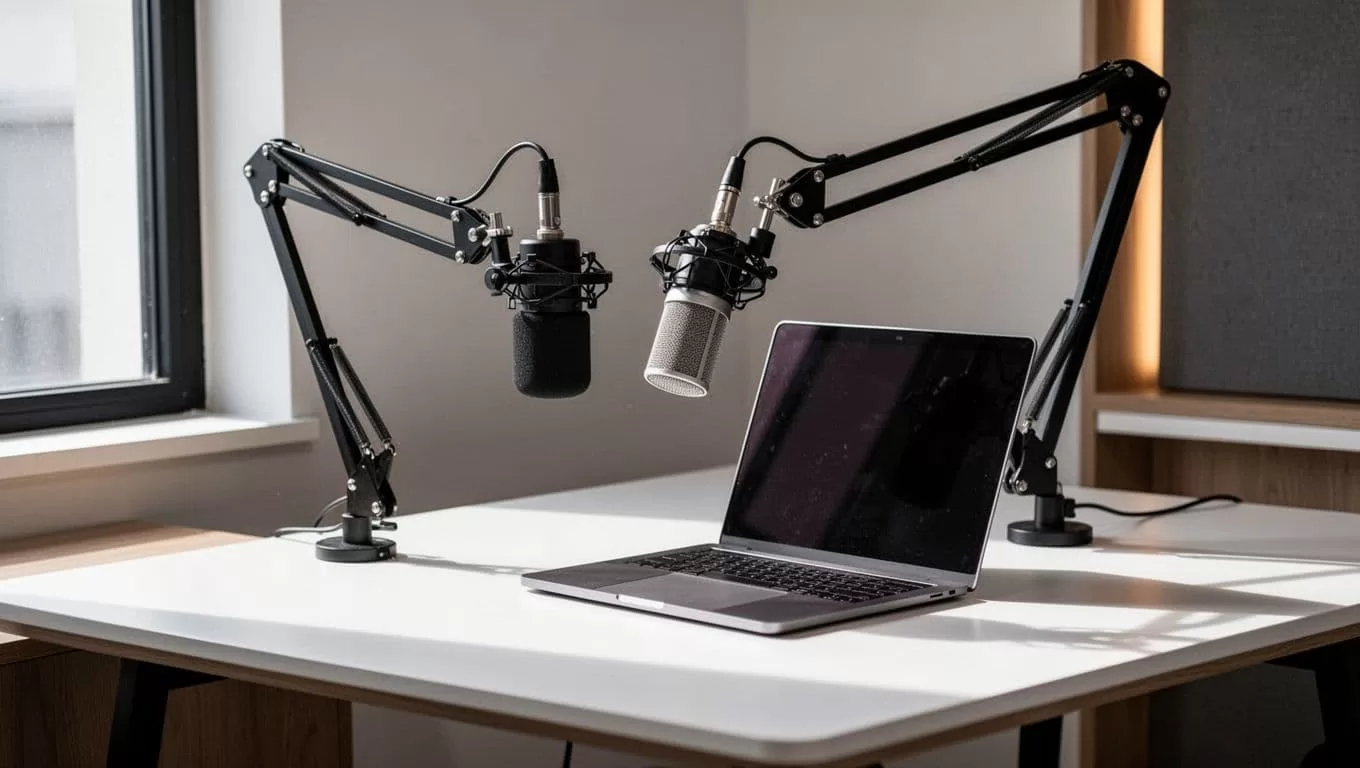
Cut the Best Moments with Opus
Opus is the clip engine. Upload the long file, or paste the YouTube link after the episode goes live. It scans the transcript, finds candidate moments, and gives you a shortlist. Do not publish the shortlist. Edit it.
Start with 8 to 10 clips, not 30. The goal is not volume. The goal is usable openings for YouTube Shorts. Keep only the clips that tell a full micro-story, land one clear point, or show a strong reaction. If a clip needs the rest of the episode to make sense, skip it.
Use the controls that shape the output. Virality Score helps you sort the best candidates. AI Sensitivity changes how aggressive the clip detection feels. Custom keywords pull the system toward the topics you care about. If the first batch is too broad, narrow it. If it is too thin, widen it.
Use the Brand Kit once, then apply it to everything. Lock the fonts, colors, and caption style. Then clean up the auto-generated text before you post. Opus is fast, but speed does not fix a bad hook.
For YouTube, 30 to 60 seconds is usually the safest range. That gives you enough room for a hook and a payoff. If the clip is audio-heavy, add B-roll where it helps the pace. A talking head with no movement will lose attention fast.
Once the clips are ready, schedule them instead of dumping them all at once. Spread them across the week. That gives each clip its own shot at watch time, comments, and subscriber clicks.

Package Clips So Subscribers Stick
Start with the channel itself. It needs one topic, one viewer, and one promise. If the channel is for founders, keep it for founders. If it is for podcasters, keep it for podcasters. Mixed signals slow subscriptions because the viewer never knows what comes next.
Titles and thumbnails that earn the click
A 2026 YouTube podcast strategy guide gets one thing right, watchable format matters as much as topic choice. Your repurposed clip needs a title that promises a result or a tension point, not a transcript label. “Fix Your Podcast Hook” works. “Episode 41 Clip 3” does not.
Keep the thumbnail simple. One face, one idea, one visual cue. Three to five words is enough if you use text at all. If the full episode uses a static background, keep the clip thumbnails in the same visual family. That makes the channel feel planned, not stitched together.
Match the title to the clip, not to the recording session. The viewer does not care that it came from a long interview. The viewer cares that the clip solves a problem or says something worth hearing.
Descriptions, end screens, and subscribe CTAs
Descriptions matter more than many creators think. Put the full episode link first. Then add one line on the payoff. Then add a short subscribe line. If you use Transistor notes, keep the bullets clean so the YouTube version stays readable.
Use one end screen to push the next best video or a playlist. Do not send people to nowhere. Do not scatter the click path across five options. One next step is enough.
A Short is not the finish line. It is the front door.
Put the subscribe CTA after the payoff, not before it. That way the viewer gets value first, then sees the ask. A simple line like “Subscribe for weekly podcast clips and full episodes” is enough when the content already earned the click.
Keep the posting rhythm fixed
Post the full episode on the same day each week. Release the clips across the next few days. Keep the pattern predictable. That rhythm trains the audience and gives returning viewers a reason to come back.
For a clearer look at how podcast content behaves in the recommendation system, see YouTube’s algorithm guide for podcasts. The main point is simple. The platform rewards packages that keep people watching, not just uploads that fill a calendar.
If you only have time for one clip a day, ship one clip a day. If you can handle three strong clips from one episode, even better. The growth comes from repetition with a clear format, not from random volume.
Conclusion
Transistor gives you the base episode. Opus gives you the discovery layer. YouTube rewards the channel when both pieces point to the same viewer and the same promise.
If you want more subscribers, stop treating Shorts as leftovers. Treat them as the entry point. Keep the topic narrow, the clip length tight, and the next step obvious. That is the simplest way to turn one recording into a channel people choose to follow.
