How I Find Fast-Growing Pet Products With Exploding Topics
In April 2026, pet shelves look crowded, but only a few products keep moving. Smart feeders, GPS collars, joint-health treats, and enrichment toys all look promising at first glance. Some will last. Others will fade the moment the buzz fade...

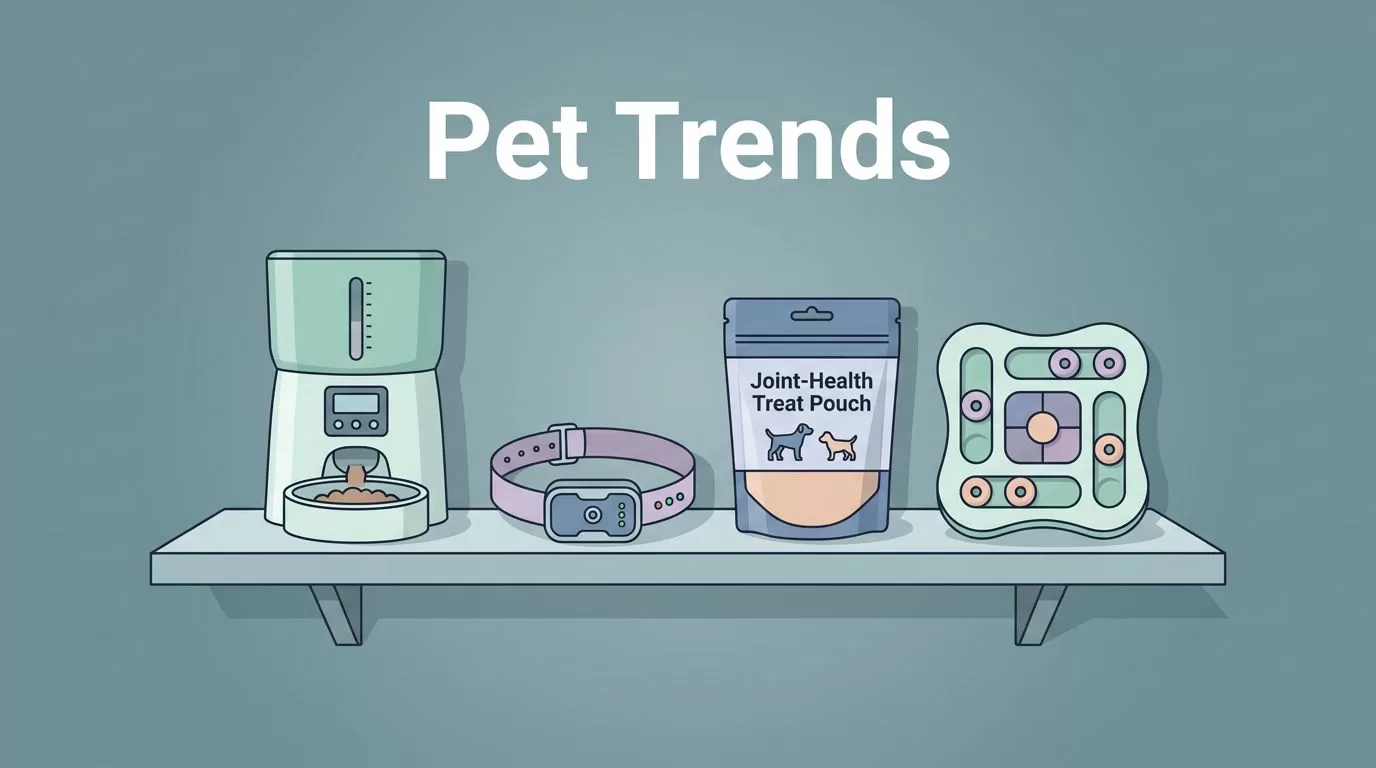
In April 2026, pet shelves look crowded, but only a few products keep moving. Smart feeders, GPS collars, joint-health treats, and enrichment toys all look promising at first glance. Some will last. Others will fade the moment the buzz fades.
I use Exploding Topics to separate real pet product trends from short-lived noise. Then I check search growth, retailer demand, social traction, review patterns, and competition before I risk money on inventory or content.
I start with the trend curve, then I work outward.
Start with the trend curve, not the product photo
I open the Trending Pets Topics page and look for steady climbs, not sudden spikes. A clean rise matters more than a flashy jump, because a spike can come from a single post or promo.
For a broader method, I also lean on my Exploding Topics trend spotting guide. It keeps me focused on movement, not hype.


In 2026, the strongest pet product signals usually sit in safety, health, and convenience. That includes smart feeders, pet cameras, calming toys, and better treats for older dogs and cats. I care less about the product’s look and more about the problem it solves.
My five-step process for turning a pet trend into a product idea
I keep the same filter every time. It saves me from falling in love with a chart.
- I check the slope first.
I want a trend that keeps rising for months. If it looks jumpy, I slow down. - I read the problem behind the product.
I ask what the buyer wants. Time savings, less mess, better health, or more peace of mind? - I look for repeat use.
Refills, upgrades, accessories, and replacements matter. A product with repeat demand is easier to build around. - I scan the niche, not just one item.
If one pet product rises, I look for nearby ideas. That helps me spot bundles, add-ons, and content angles. My trend-based niche research methods are useful here. - I check how crowded the space feels.
A few strong competitors are fine. A wall of copycats is a warning sign.
This process helps me turn broad pet product trends into real product paths. For example, a rising interest in smart feeding can lead to feeders, filters, replacement bowls, or monitoring accessories.
How I validate demand before I spend money
Trend data is a signal, not proof. I always cross-check it with current market behavior. That matters even more in 2026, when U.S. pet spending keeps rising and buyers are still paying for comfort, health, and convenience. The American Pet Products Association’s 2026 trend notes help me keep that bigger picture in view.
Here’s the quick validation filter I use:
| Signal | What I check | What I want to see |
|---|---|---|
| Search growth | Google Trends and related keywords | A steady climb, not one spike |
| Retailer demand | Amazon, Chewy, Petco, Walmart | Active listings, stock movement, fresh reviews |
| Social traction | TikTok, Reddit, Instagram | Real demos, not just vanity views |
| Review trends | Low-star complaints and feature requests | The same pain showing up again |
| Competition | Number and quality of sellers | Room for a better angle |
I trust a trend more when the same pain shows up in search, retail, and reviews.
I also read the words buyers use. If they complain about smell, battery life, cleaning time, or fit, I pay attention. Those details tell me whether a product can survive after the first purchase.
Pet niches I keep on my watchlist in 2026
I don’t treat every rising pet product the same. Some look hot but behave like fads. Others have a long runway because they solve a real, repeat problem.
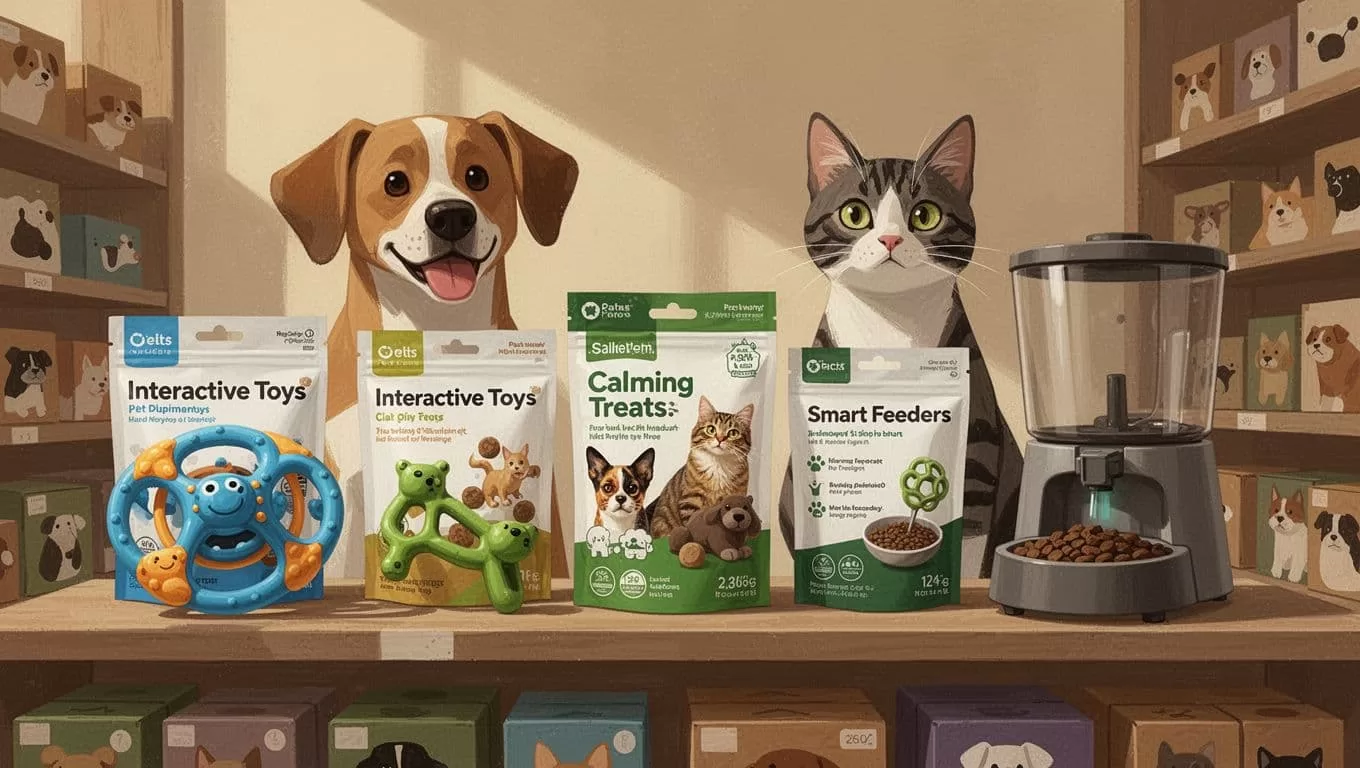
A current trend list like Top Pet Trends in 2026 Based on Search Data helps me sanity-check what I see on Exploding Topics. I’m looking for products with a clear use case, not just a cute name.
- GPS collars and wireless fences often hold up well because safety sells year after year.
- Smart feeders and water fountains work because they save time and fit busy routines.
- Interactive toys and lick mats can grow fast, but I watch for repeat use and real problem solving.
- Functional treats and supplements, like collagen chews or probiotic snacks, often show stronger staying power when older pets are part of the buyer base.
I get cautious with products that need a viral clip to explain themselves. A durable trend usually has a repeat need, an upgrade path, or a clear reason to buy again. A fad usually depends on novelty alone.
The best pet products solve a boring problem well
The pet products I trust most are rarely the loudest ones. They win because they fit daily life, reduce stress, or make care easier. That’s why I keep checking data before I build.
Exploding Topics helps me spot the first rise. My extra checks tell me whether the rise has legs. When both line up, I have something worth testing.
In pet ecommerce, the best opportunities are often the ones that feel useful before they feel exciting.

