Monitor Regulatory Changes Continuously On Twin.so
Keeping pace with evolving rules is hard work. You don’t have time to refresh government portals or scroll through gazettes every morning to check if your compliance obligations shifted overnight. When laws change, your operations nee...
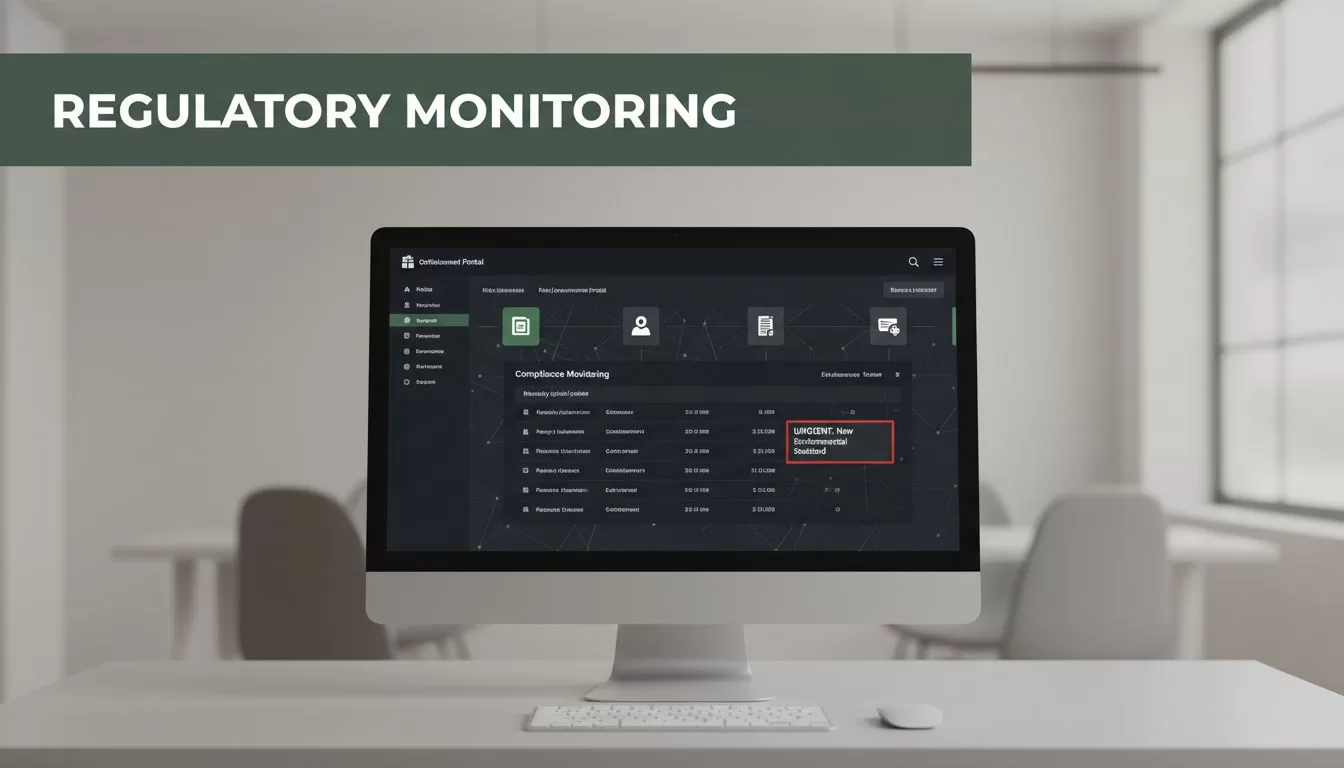
Keeping pace with evolving rules is hard work. You don’t have time to refresh government portals or scroll through gazettes every morning to check if your compliance obligations shifted overnight. When laws change, your operations need to adapt fast. Using an automation platform like Twin.so helps you track updates across different official sources without manual clicking. You connect your regulatory targets, set up structured workflows, and let autonomous agents pull the latest notices directly into your internal systems. This setup supports your compliance workflows, but remember that software output never replaces official legal advice or expert regulatory interpretation.
Key Takeaways
- Connect your compliance tracking directly to official portals using automated browser and API actions to catch updates immediately.
- Establish strict procurement requirements like SOC 2 Type II reports and Data Processing Agreements before deploying AI agents on sensitive data.
- Evaluate every regulatory alert with discipline, checking the source authority and potential operational impact before making changes.
- Store all tracking results and audit logs in an immutable format to satisfy upcoming audit requirements.
Automating Regulatory Data Collection With AI Agents
Manual tracking of regulatory updates wastes hours of team bandwidth. You need a reliable method to check standard agency sites, statutory registers, and international notice boards without assigning a staff member to repetitive browser tasks. Twin.so gives you a way to build autonomous agents that visit specific URLs, extract new text, and flag alterations.
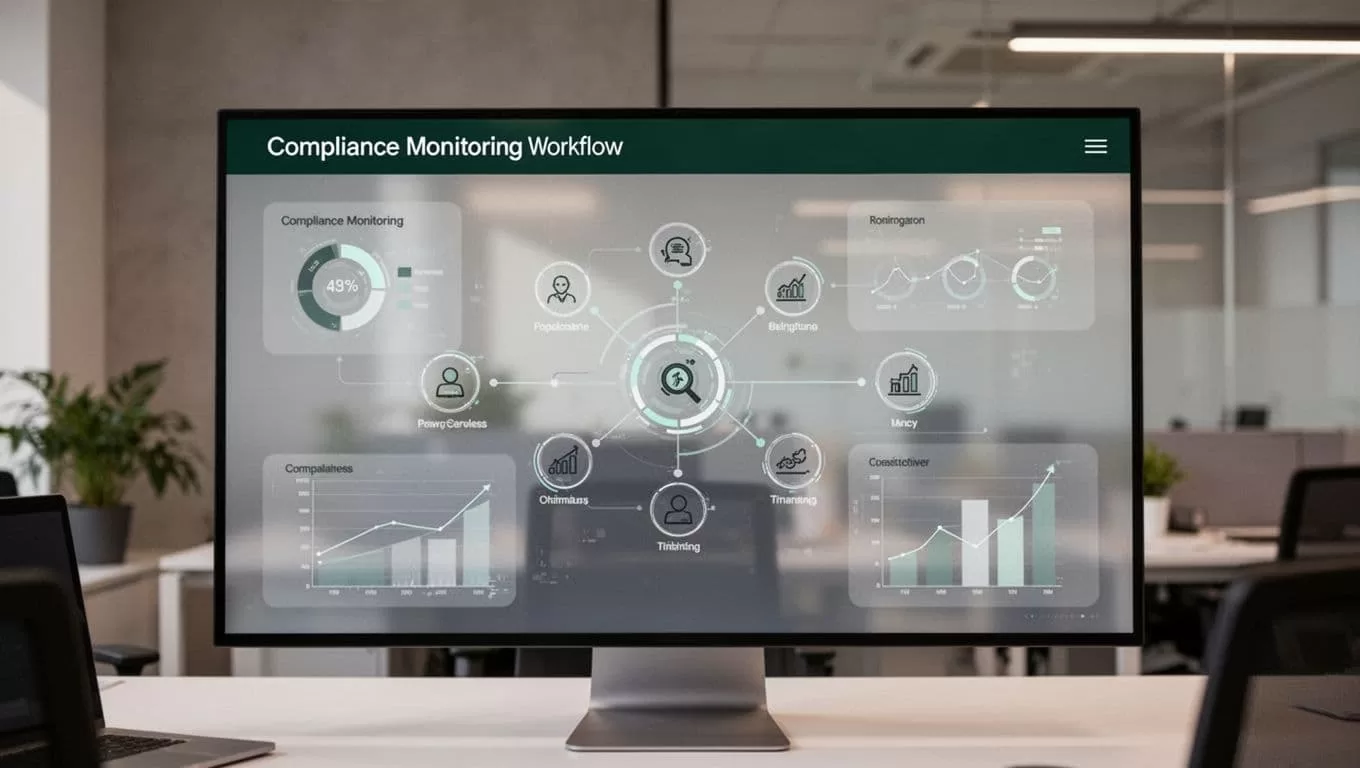
When an official body updates a guideline document, your custom agent detects the modification on the page. It records the timestamp, captures the new text snippet, and pushes that payload into your database or notification channel. This approach removes human error from the data-gathering phase. You don’t miss a statutory update simply because a team member forgot to check a specific sub-page during a busy week.
For a deeper exploration of how modern risk systems ingest external notices, see Riskonnect compliance monitoring software. When you configure your agents, make sure you point them only at authoritative domains and primary legal sources. Avoid third-party aggregators that might introduce lag or summary errors into your monitoring pipeline.
Setting Up Secure Workflows for Compliance Data
Handling regulatory data requires strict security controls because your monitoring pipelines touch sensitive internal processes and policy documents. Before you run production agents on any platform, you must verify vendor credentials. Twin.so requires rigorous procurement checks, including a signed Data Processing Agreement that outlines subprocessor lists and data residency terms.
You should also confirm that the platform maintains an active SOC 2 Type II report audited within the last twelve months. This certification proves that security controls operate effectively over time, rather than just on paper.
To maintain a secure compliance operation, implement these baseline safeguards:
- Role-based access: Restrict agent configuration permissions to designated legal operations team members and risk managers.
- Credential management: Store portal passwords and API keys inside secure vaults rather than plain configuration files.
- Immutable audit logs: Ensure every agent trigger, data access event, and outcome includes a timestamp for your compliance records.
For a broader view of alternative platforms that handle policy tracking and audit preparation, review Top compliance management software solutions for 2026. These tools offer dedicated governance frameworks that complement the raw automation power of general agent platforms.
Evaluating Regulatory Alerts With Discipline
Receiving an automated alert doesn’t mean your internal controls need an immediate rewrite. Many minor updates involve formatting corrections, contact list changes, or non-binding guidance that doesn’t affect your specific business model. You need discipline when reviewing incoming signals so you don’t overwhelm your legal team with false positives.
Assess each flagged change against your actual operating footprint. Ask whether the updated statute applies to your jurisdiction, your data categories, and your customer segments. If a financial regulation update targets consumer retail banking while your business operates in B2B software, log the finding as irrelevant and close the ticket with a clear note explaining why.
Documenting the reason for every dismissal prevents your team from re-evaluating the same notice during subsequent audits. It also builds an institutional memory that proves your risk management team actively evaluates every signal rather than ignoring notifications.
Integrating Regulatory Monitoring Into Business Processes
Automation only creates value when it feeds directly into your operational decision-making. Once an agent flags a genuine regulatory change, your legal operations team needs a standardized review path. Route the extracted text to the relevant stakeholder, assign a risk score, and determine whether policy updates are necessary.
Track every review item through a clear status workflow. Mark each regulatory update as pending, compliant, exempt, or action-required. If a change forces a modification to your terms of service or data handling practices, record the corresponding internal ticket number and assign an owner. You can also route updated documents for signature through DocuSign automation workflows on Twin.so to close the loop faster.
When organizations track compliance requirements, software that helps organisations track, enforce, and manage regulatory requirements plays a major role in keeping records centralized. Tie your Twin.so alert outputs directly into your primary GRC or ticketing system to ensure nothing falls through the cracks between detection and implementation.
Conclusion
Continuous regulatory monitoring protects your business from unexpected compliance gaps and costly enforcement actions. Setting up automated agents on Twin.so lets you capture statutory changes across official sources without manual web browsing.
Combine robust procurement checks with disciplined review workflows to turn raw alerts into actionable compliance decisions. Start by mapping your core regulatory sources today and build your first automated monitoring agent.
