Remitly Nicaragua: Send Money to a Bank Account
A bank deposit can fail before the money leaves your account if one recipient detail is wrong. You need the correct bank, account number, legal name, and transfer option before you submit. If you’re searching for Remitly Nicaragua, fo...
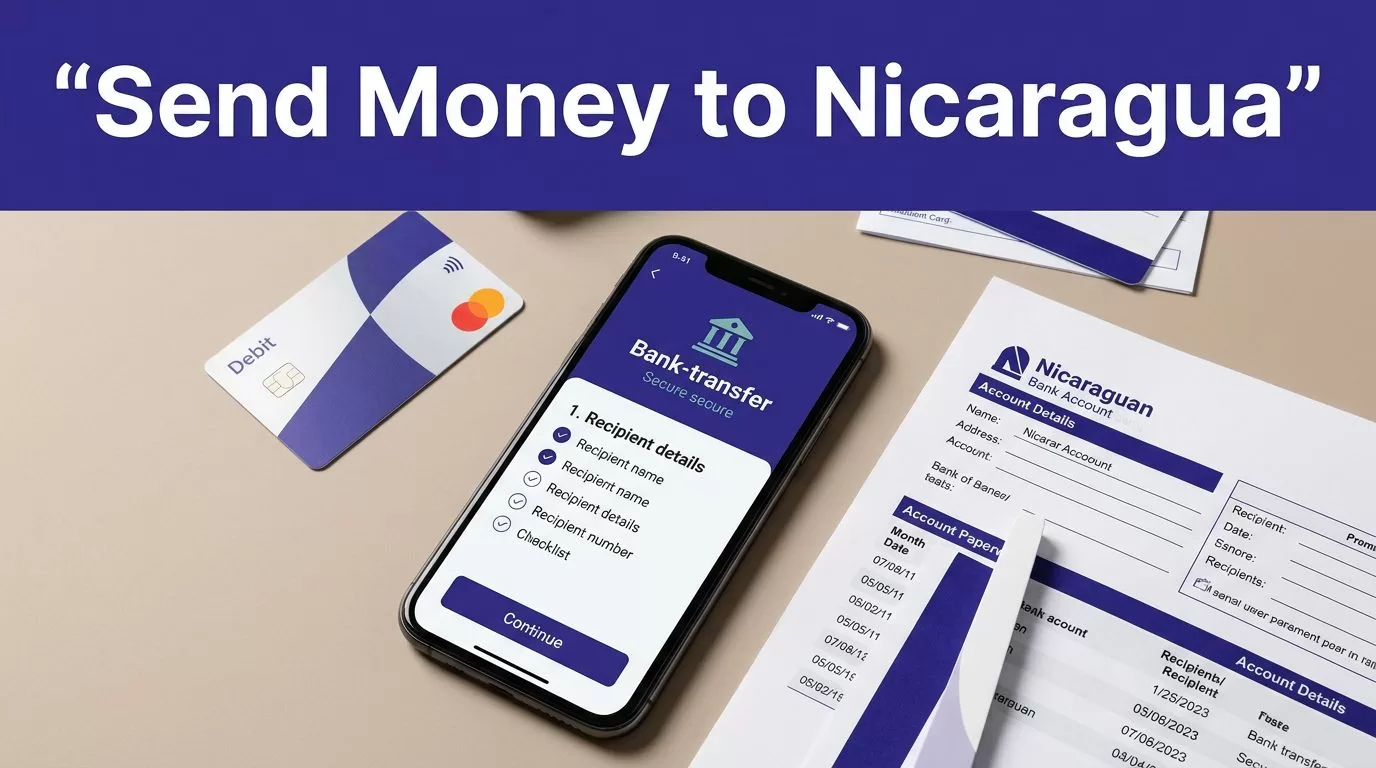
A bank deposit can fail before the money leaves your account if one recipient detail is wrong. You need the correct bank, account number, legal name, and transfer option before you submit.
If you’re searching for Remitly Nicaragua, focus on the final quote and recipient setup, not a fee copied from an old review. Fees, exchange rates, delivery estimates, and limits can change based on your sending country, payment method, transfer amount, delivery method, recipient bank, and account status.
The process is simple when you complete it in order and verify every field before paying.
What You Need Before Sending Money to Nicaragua
Start with the recipient’s current information. Don’t rely on an old transfer record without checking it again. People change banks, phone numbers, account types, and addresses.
For a bank deposit, prepare:
- The recipient’s full legal name.
- A current phone number and other contact details requested by Remitly.
- The name of the Nicaraguan bank.
- The recipient’s bank account number.
- Any additional information requested for that bank or delivery method.
The recipient’s name should match the bank record. If Remitly asks for an address or identification details, enter the information exactly as it appears on the recipient’s official documents. A spelling difference can create a delay or prevent the bank from posting the deposit.
The available receiving methods depend on the recipient’s location and the provider selected. Remitly lists bank deposit and cash pickup for Nicaragua. Some recipients may also see mobile wallet or debit-card delivery options. The app shows the options available for the specific transfer.
Read Remitly’s receiving options guide before choosing a method for someone who has never received an international transfer. A bank deposit is usually the right choice when the recipient wants the money placed directly into an existing account. Cash pickup may be more practical when the recipient doesn’t have an eligible account.
You may also need to verify your own identity before sending. Remitly can request government-issued identification, proof of address, or additional information. The documents and review requirements can vary by account, amount, payment method, and transfer route.
How Remitly Nicaragua Bank Deposits Work
Use the Remitly website or official mobile app. Avoid unofficial download pages, modified applications, and payment instructions sent through unexpected messages.
Follow this sequence:
- Create an account or sign in. Enter your own information accurately. Use an email address and phone number that you can access during the transfer.
- Choose Nicaragua as the destination. Enter the amount you want to send and select the currency shown by Remitly. The amount you enter may determine the available delivery methods, quote, and verification requirements.
- Select bank deposit. Choose the bank deposit option when it appears. Remitly may then display the participating banks or financial providers available for that recipient location.
- Add the recipient. Enter the full name, contact information, bank name, and account number. Review each character. Do not copy an account number from an unverified text message or social media conversation.
- Choose your payment method. Select an available method in your account. Payment methods can have different processing rules, fees, exchange rates, and delivery estimates.
- Review the complete quote. Check the transfer fee, exchange rate, total amount charged, recipient amount, selected bank, delivery method, and estimated arrival time.
- Submit the transfer. Confirm only after the details match your plan. Save the confirmation number and transfer reference.
- Track the transfer. Keep the receipt until the recipient confirms that the bank has posted the money.
The recipient normally doesn’t need to repeat your setup steps. However, they may need to meet the bank’s requirements before funds can be credited or accessed. Ask the recipient to confirm that the account is active and able to receive the selected type of deposit.
A provider page may show more than one delivery method. Banco BAC Credomatic, for example, appears in Remitly’s Nicaragua provider information with bank deposit and cash pickup options that can depend on the recipient’s location. Don’t assume that one bank’s requirements apply to every Nicaraguan bank.
The final screen controls the transaction. An estimate from a search result, an earlier transfer, or a general pricing page may describe different conditions.
Check the Fee, Exchange Rate, and Delivery Estimate
Remitly Nicaragua is a transfer route, not a permanent price list. The price changes with the transaction details you enter.
Before you confirm, separate these figures:
- Transfer fee: The charge added to the transfer.
- Exchange rate: The rate used to convert the sent currency.
- Total charged: The amount removed from your payment method.
- Recipient amount: The amount the recipient is expected to receive.
- Delivery estimate: The expected arrival window for the selected option.
A low transfer fee doesn’t always produce the highest recipient amount. A weaker exchange rate can reduce the amount received even when the visible fee looks small.
Check the current Remitly Nicaragua pricing page, then compare it with the quote inside your account. The in-app quote is more useful because it reflects your amount, payment method, delivery choice, and account status.
Delivery estimates also vary. Bank processing, transaction review, payment confirmation, provider availability, weekends, and local holidays can affect timing. A displayed estimate is an expected window, not a guarantee.
Don’t select a delivery option based only on a label such as “fast” or “Express.” Read the actual time or date shown for your transaction. A lower-cost option may take longer, while a faster option may have a different price.
Transfer limits aren’t universal. Remitly states that the amount you can send can depend on the sending country, destination, and delivery method. Your verification status, transfer history, payment method, and amount can also affect what the system allows.
Check Remitly’s sending limits guidance before preparing a large transfer. If the app asks for extra documents or limits the transaction, follow the instructions shown in your account. Don’t split a transfer to avoid a review or limit.
Promotional offers can have separate eligibility rules. A first-transfer offer may apply only to new customers, selected payment methods, specific amounts, or a stated period. Use a promotion only when it appears in your account and the final checkout shows the expected discount.
Avoid Common Bank Deposit Problems
Most preventable problems come from incorrect or outdated recipient data. Verify the recipient through a trusted channel before you pay.
Check these items one more time:
- The account belongs to the intended recipient.
- The name matches the recipient’s bank record.
- The bank name is correct.
- The account number has no missing or extra digits.
- The phone number belongs to the recipient.
- The selected delivery method matches what the recipient requested.
- The amount and currency are correct.
Do not assume a previous successful transfer proves that the current information is valid. Open the saved recipient profile and review it before every repeat transfer.
A transfer marked as accepted doesn’t always mean the recipient has received the money. Remitly may have accepted your payment while the bank deposit is still processing.
A confirmation number proves that the transfer was submitted. It doesn’t prove that the Nicaraguan bank has posted the funds.
Use Remitly’s transfer tracking instructions to review the current status. Send the reference number to the recipient through a private channel, then ask them to check the account directly.
If the expected delivery window passes, confirm that the recipient checked the correct account and that the bank details were accurate. Then review the bank deposit troubleshooting guide and contact Remitly through the official support channel.
Don’t assume a cancellation or refund is automatic. Those rules can depend on the transfer status and applicable terms. Contact Remitly promptly if you entered incorrect information, and keep the receipt available for support.
Send Safely and Keep a Clear Record
Use your own Remitly account and an authorized payment method. Never give another person your password, one-time verification code, or full payment details.
Scammers may claim that a transfer is blocked and demand an extra payment. They may also impersonate the recipient and request a new bank account. Verify changes directly with the recipient using a phone number you already trust.
Use the official Remitly app or website to check the transfer. Don’t open a payment link from an unexpected email or text message. If you think someone accessed your account, change your password and contact Remitly support.
International money transfers can trigger identity, fraud, or compliance reviews. Enter accurate information and provide documents only through the official Remitly process. Requirements can differ by country, amount, payment method, and customer profile, so don’t treat another sender’s experience as a universal rule.
Keep the confirmation number, amount sent, fee, exchange rate, recipient amount, and delivery estimate. Families can use these records to reconcile transfers. Businesses and freelancers may also need them for accounting or payment documentation.
Only send money for a lawful purpose and follow the rules that apply to your location and the recipient’s location. If the transfer relates to a business payment, tax obligation, loan, or regulated activity, obtain advice from a qualified professional who understands the relevant requirements.
Conclusion
Remitly Nicaragua bank deposits are easiest to manage when you treat the transfer as a verification process. Prepare the recipient’s exact bank details, choose the available deposit option, review the complete quote, and save the tracking information.
Fees, exchange rates, limits, and delivery times can change. Confirm the final cost and estimated arrival in the Remitly app or official website before sending.
The safest transfer is not the one submitted fastest. It’s the one sent to the right account with every important detail checked.
