How I Sell Music Lessons on Skool as a Music Teacher
I’ve taught piano for years in stuffy rooms with outdated keyboards. Students showed up, played scales, and left. Bills piled up. Then I found Skool. Now I run a thriving group where guitar players share riffs, drummers post practice...

I’ve taught piano for years in stuffy rooms with outdated keyboards. Students showed up, played scales, and left. Bills piled up. Then I found Skool. Now I run a thriving group where guitar players share riffs, drummers post practice clips, and voice students get feedback from peers. You can do the same. This post shares my exact steps to sell music lessons on Skool, from setup to steady income.
Skool turns one-on-one teaching into a buzzing hub. Members pay monthly for lessons, community chats, and live jams. No more chasing payments or empty calendars. Let’s break it down.
Why Skool Beats Traditional Music Teaching Platforms
I tried Zoom calls and course sites before Skool. They felt flat. Students watched videos alone and quit. Skool changes that with built-in community feeds. People post wins, ask for chord tips, and book group sessions right there.
Think of your lessons like a band rehearsal. Solo practice bores kids. A full group energizes them. Skool’s app keeps everyone connected on phones. Piano teachers post sheet music. Guitar folks swap pedal setups. Drums students film rolls for critiques.
Fees matter too. Skool’s Hobby plan costs $9 a month with 10% cuts on sales. Pro runs $99 monthly but drops to 2.9% fees. Both let you host unlimited videos and members. I started on Hobby. It paid for itself fast.
Other platforms charge more for basics. For ideas on quick online setups, check 6 Steps to Teach Music Lessons Online in 48 Hours. Skool stands out because chats drive retention. Students stay for friends, not just you.
You teach music theory? Post puzzles in the feed. Voice coaches run warm-up challenges. This builds habits. My group grew from 5 to 50 in months. Revenue followed.
Building a Music Community on Skool
Communities sell themselves. I post a guitar lick video. Members reply with their takes. Newbies join to watch. That’s my hook.
Start simple. Create categories like “Wins,” “Questions,” “Resources,” and “Live Jams.” Pin a welcome post: “Share your instrument and one goal.” Tag replies to spark chats. Guitar students bond over amp troubles. Drummers trade stick grips.
Gamification keeps it fun. Skool awards points for posts. Leaderboards show top contributors. My piano kids race to share arpeggios. It feels like a club, not class.
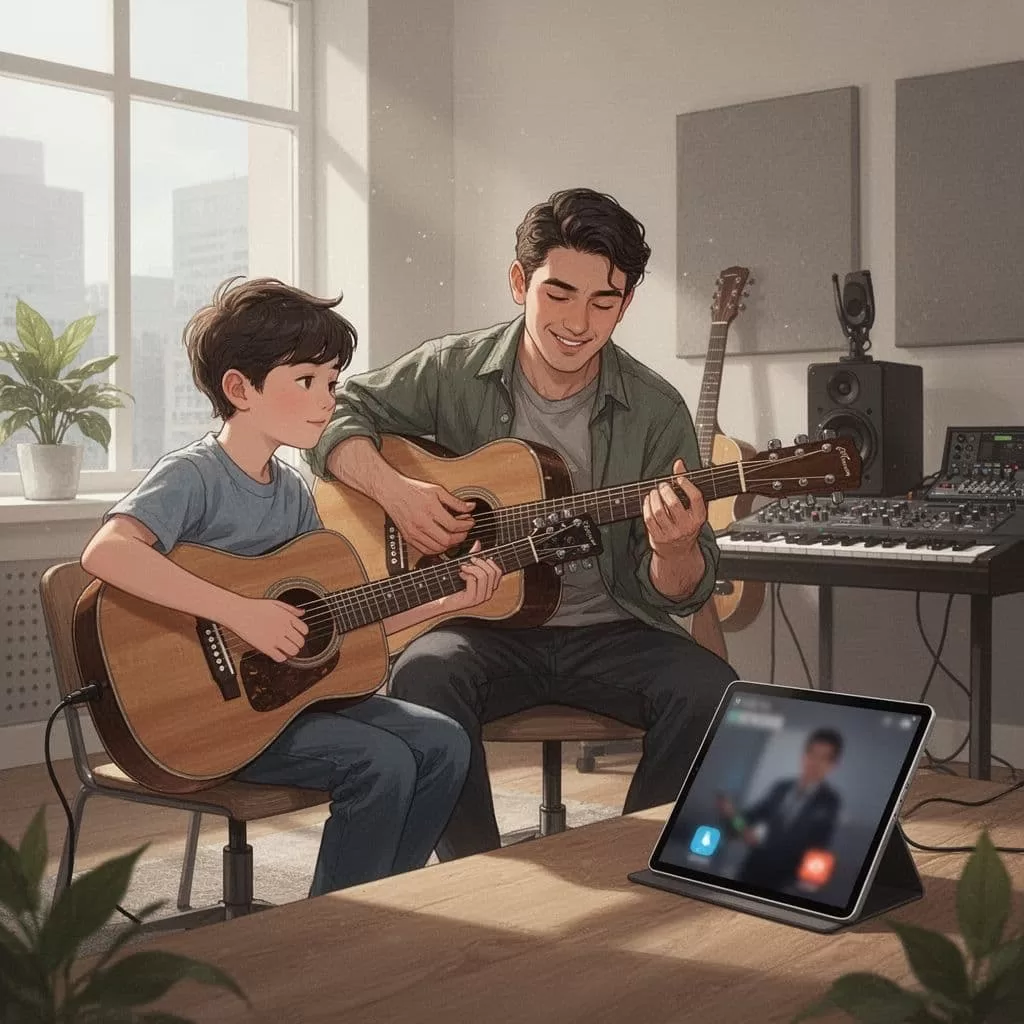
Live events seal the deal. Schedule weekly calls on the calendar. Voice teachers host harmony sessions. Drums groups do rudiment battles. Record replays for absentees. Attendance hits 80% because peers expect them.
For setup tips like this, see my guide on how to launch a music lesson community on Skool. I grew mine by posting daily prompts. “Film your scale at 100 BPM.” Replies flood in. Community feels alive from day one.
Handle growth. Mute spammers. Spotlight good posts. Music teachers thrive here because passion spreads fast.
Structuring Your Music Lessons for Success
Dump 50 videos in a classroom? Students freeze. I organize into paths. Beginners get “Week 1 Basics.” Guitar path: chords, strums, songs. Piano: scales, pieces, improv.
Each module mixes video, sheet music, and tasks. Drums lesson: “Play this beat 5 ways.” Post your video in community for feedback. Theory teachers add quizzes via posts: “Name this interval.”
Bundle smart. Core membership includes paths. Add upsells like “Advanced Jazz” for extra fee. Voice bundles cover belts and breaths.
Drip content weekly. Monday: new lesson. Wednesday: live Q&A. Friday: wins thread. Students progress without overwhelm.
I use Skool’s native video. No external links. Upload a guitar riff demo. Members mimic it. Paths map to milestones: day 1 warm-up, week 4 first song.
Test with free trials. Hook them on basics. Convert to paid. My structure cut dropouts by half. Students finish paths and renew.
Monetizing Your Music Expertise on Skool
One-on-one lessons cap your time. Skool scales it. I charge $29 monthly for group access: lessons, chats, lives. Upsell $97 coaching calls.
Recurring memberships work best. Students pay for ongoing value. Piano group: monthly etudes. Guitar: pedalboard builds. Drums: speed drills. Voice: range expanders. Theory: harmony challenges.

Tier it up. Basic: self-paced paths. Premium: weekly privates. Bundles mix courses and community. Sell sheet packs one-time.
Payments via Stripe. Hobby takes 10% plus 30 cents. Pro lowers it. I hit Pro at 100 members. Affiliates earn 20% recurring.
For retention like this, read about keeping music students active in your Skool community. Promote via Instagram clips. “Join my Skool for live jams.”
Passive income flows. Old lessons serve new members. I earn while sleeping.
My Simple Launch Checklist for Skool Music Groups
Ready to start? Follow this.
- Sign up for 14-day trial. Pick Hobby.
- Name your group: “Guitar Mastery Hub” or similar.
- Set categories. Pin welcome post.
- Build 4-6 lesson modules. Upload first video.
- Price membership. Add Stripe.
- Invite 5 free beta testers. Get feedback.
- Post daily. Schedule first live.
- Share on socials. Use student clips.
- Track joins. Tweak based on chats.
- Upgrade to Pro at 50 members.
For membership details, check creating a Skool membership site for music lessons. I launched in a weekend. First sales hit week one.
Key Takeaways
Selling music lessons on Skool freed my schedule and boosted income. Communities keep students hooked. Structured paths deliver results. Monetize with tiers and lives.
Piano, guitar, drums, voice, theory: all fit. Start small. Post consistently. Watch revenue grow.
Your turn. Build that group today. Students wait for your lead.
