Send Money to France With Remitly, Step by Step
Sending money to France is simple when the recipient’s bank details are correct and the live quote matches your budget. If you need to send money to France, Remitly lets you set up a bank deposit, choose a delivery speed, pay online,...

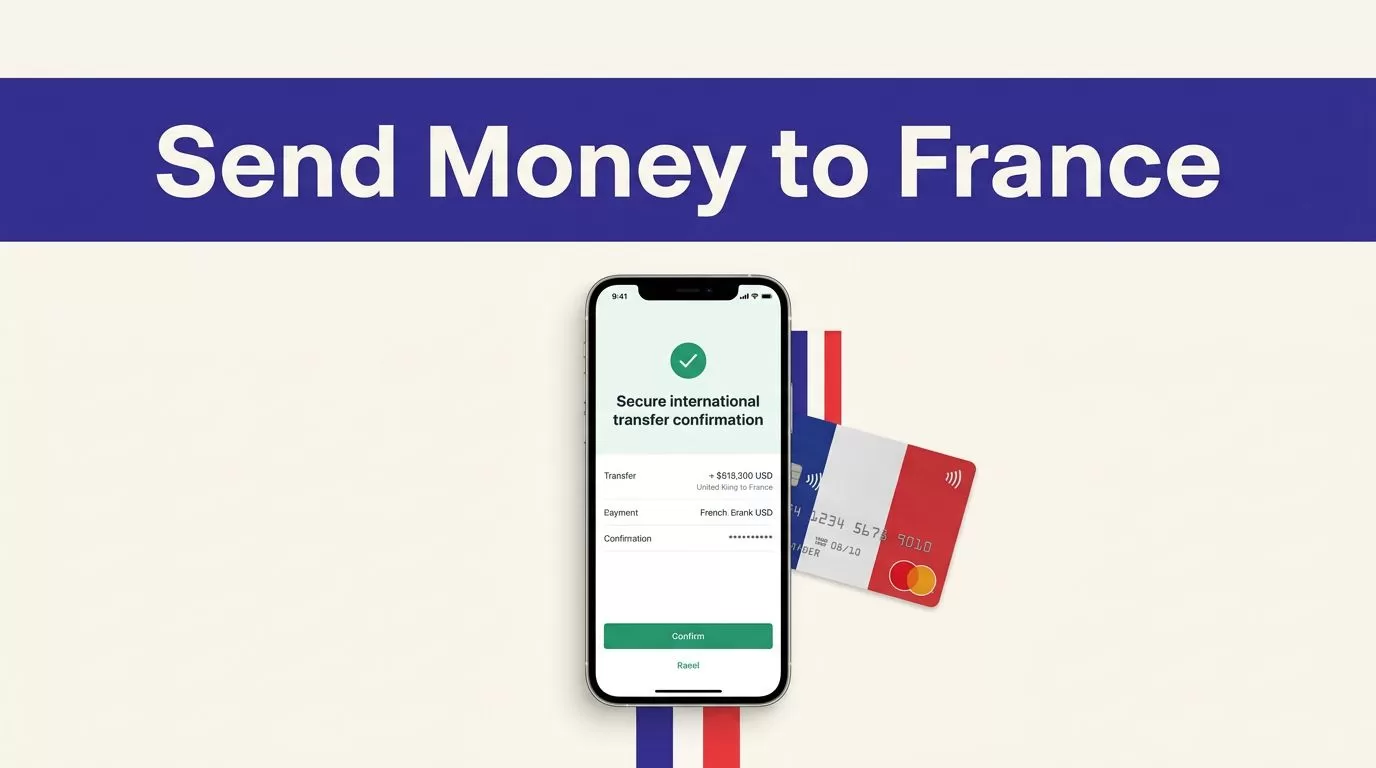
Sending money to France is simple when the recipient’s bank details are correct and the live quote matches your budget. If you need to send money to France, Remitly lets you set up a bank deposit, choose a delivery speed, pay online, and track the transfer.
The main risks are avoidable. A wrong IBAN can delay delivery. A better-looking fee can still produce a lower payout if the exchange rate is weaker. Use the final Remitly quote as your source of truth, then review every recipient field before payment.
HOW REMITLY SENDS MONEY TO FRANCE
Remitly supports international transfers to France from eligible sending countries. The exact choices depend on your sending country, recipient location, payment method, amount, and current provider network.
For a U.S. sender, the Remitly France transfer page lets you select France, enter the amount, add a recipient, choose delivery details, and review the transaction before sending.
Bank deposit is the main option for French accounts
A bank deposit sends the funds to an eligible French bank account. This option fits rent payments, family support, tuition payments, and other situations where the recipient already uses a French account.
Remitly may also show cash pickup or other delivery options, depending on the route. Don’t select cash pickup when the recipient expects a bank deposit. The information required and the way the recipient receives the money will be different.
Remitly maintains France provider pages for institutions such as My Money Bank and Ma French Bank. Provider availability can change, so use the options shown in your own transfer flow.
Delivery speed is a separate choice
Remitly may offer more than one delivery speed. A faster option can have a different fee or exchange rate than a slower bank-deposit option.
The France page currently displays a figure showing that 90% of transfers arrive within seven minutes or less for a listed Economy bank-account option. Treat this as a published route statistic, not a personal delivery guarantee. Payment clearing, bank processing, compliance checks, weekends, and holidays can change the result.
COLLECT THE FRENCH BANK DETAILS BEFORE YOU START
Prepare the recipient record before opening checkout. This prevents interruptions and reduces the chance of entering an old or incomplete account number.
Ask for the recipient’s legal information
Have the recipient provide their full legal name exactly as it appears on their bank account and government ID. Also collect their current address and phone number.
Remitly can use these details for identity checks, transaction notices, and delivery records. A shortened name, nickname, missing middle name, or spelling difference can create a review or correction problem.
For a French bank deposit, have the recipient provide:
- Their full account-holder name.
- Their residential address and phone number.
- Their French IBAN.
- Their bank name.
- Their BIC or SWIFT code if Remitly requests it.
- Any additional bank or provider information displayed in the Remitly form.
Don’t guess an IBAN from a bank name. Ask the recipient to copy it directly from online banking or an official bank document.
Confirm the account before payment
Compare the recipient’s details against the information displayed in Remitly. Check the country, name, IBAN, bank, amount, currency, and delivery method.
Ask the recipient to confirm the account details in writing before you submit the transfer. If the bank recently changed its account, request the new information instead of reusing an old transfer record.
A transfer can process successfully and still reach the wrong account if you approve incorrect bank details.
For a large or important payment, consider sending a small test amount first when practical. A test doesn’t remove all risk, and normal fees, limits, or verification requirements may still apply.
HOW TO SEND MONEY TO FRANCE WITH REMITLY
The process below uses a U.S. to France transfer. Senders in Canada, the United Kingdom, or another supported country will see a different route, currency, payment method, and price.
- Create or open your Remitly account. Use your real legal information. Your profile details may need to match the payment account used to fund the transfer.
- Choose France as the destination. Select your actual sending country and enter the amount you want to send. Check whether the amount is shown in U.S. dollars, euros, or another currency.
- Select the delivery method and speed. Choose bank deposit when the recipient wants money in a French account. Compare the available Economy and Express-style options based on the estimate and total cost shown.
- Add the recipient. Enter the full legal name, address, phone number, and bank information. Use the recipient’s current details instead of copying an old record without checking it.
- Select a payment method. Depending on your route, Remitly may offer a bank account, debit card, or credit card. Available methods can vary by country, account, transfer amount, and provider. A card payment may have different pricing from a bank-funded transfer.
- Review the complete transaction. Confirm the fee, exchange rate, total amount charged, recipient payout, delivery method, estimated arrival time, and recipient details. Correct errors before authorizing payment.
- Submit and track the transfer. Save the confirmation and reference number. Use the Remitly app or website to monitor status updates. Give the recipient the relevant tracking information when needed, but don’t post it publicly.
Remitly may ask for more information before completing the transfer. Respond through the official app or website. Don’t send identity documents to a person who contacts you through an unrelated social media account.
CHECK THE LIVE FEE, RATE, AND DELIVERY ESTIMATE
Remitly pricing isn’t one fixed number for every transfer to France. The final quote can change with the sending country, amount, payment method, delivery speed, recipient location, promotion, and current exchange rate.
The Remitly France pricing page is useful for checking the current route, but the quote inside your transfer is more relevant than a general advertised rate.
Compare the payout, not only the fee
A low transfer fee doesn’t automatically produce the largest amount for the recipient. The exchange rate also affects the payout.
Before confirming, compare these four values:
- The amount you pay.
- The transfer fee.
- The exchange rate applied.
- The exact amount the recipient receives.
A promotion may apply only to a first transfer, a defined amount, a particular payment method, or an eligible customer. Promotional rates can change or expire. Don’t build a recurring payment plan around a welcome offer until you confirm its terms.
Treat arrival times as estimates
Remitly displays an estimated delivery time based on the selected route. That estimate can change after payment if the transaction requires verification, the funding method takes longer to clear, or the receiving bank needs additional processing time.
Bank holidays in the United States or France can also affect delivery. If the recipient needs money for rent, tuition, payroll, or a scheduled bill, send it before the deadline rather than relying on the shortest displayed estimate.
PAYMENT METHODS, LIMITS, AND VERIFICATION
Your account may show different options from another sender’s account. Remitly adjusts available services based on country, regulations, payment source, transaction history, and transfer details.
Use a payment method that matches your profile
Bank-funded transfers may require the bank account to be held in the same name shown on your Remitly profile. A mismatch can cause the payment to fail or trigger a review.
Debit and credit cards can be convenient, but their fees, processing times, and promotional eligibility may differ. Check the final amount charged before choosing a card because the cheapest-looking transfer fee may not be the lowest total cost.
Don’t use someone else’s payment account unless Remitly clearly permits it. A payment source owned by another person can create a compliance issue.
Expect identity checks
Remitly can request identity verification before or during a transfer. Its identity verification guidance explains that Know Your Customer, or KYC, checks are required before a first transfer in some situations.
You may need to provide government-issued identification or other information requested inside your account. The required documents and review timing can vary by country and transaction.
Use only the secure Remitly app or official website for this process. Check the web address before uploading documents. Don’t email a passport image or verification code to an unknown contact.
Check limits inside your transfer
There isn’t one universal France transfer limit that applies to every sender. The limit may depend on your account, sending country, verification status, payment method, transfer history, and amount.
If Remitly doesn’t accept the amount you entered, reduce the amount only when that fits your purpose. Don’t split a transaction to avoid a review or limit. For a large payment, check Remitly’s current requirements and contact support before sending.
FIX DELAYS, MISTAKES, AND CANCELLATION REQUESTS
Start with the transaction status in your Remitly account. A pending, failed, completed, or canceled status points to different next steps.
When a transfer is delayed
Review whether your payment has cleared. A bank transfer can take longer to fund than a debit card payment. Also check for an identity request, an email from Remitly, a French bank holiday, or a request for additional recipient information.
If Remitly shows the transfer as delivered but the recipient can’t see it, ask the recipient to contact their bank. Provide the transfer reference and expected amount. The receiving bank may need time to post an incoming payment even after Remitly marks delivery complete.
Don’t create a second transfer immediately. Confirm the first transaction’s status to avoid sending twice.
When recipient details are wrong
Contact Remitly support as soon as you notice an error. A name or bank correction may require manual review. Changes aren’t guaranteed, and they can delay delivery.
If the money has already reached the recipient’s account, recovery may be limited. Remitly may not be able to reverse a completed bank deposit, especially when the information was entered incorrectly by the sender.
Cancellation requests are usually more useful before completion. A request still may not succeed if the transfer has already been deposited, paid out, or become irreversible under the applicable terms.
Protect the transfer from fraud
Never send money because a stranger demands urgent payment. Common warning signs include fake rental listings, romance scams, impersonation requests, fake employment offers, and messages asking you to send money back after receiving an unexpected payment.
Use Remitly’s fraud and scam victim resources if you believe you were deceived. Contact your bank or card provider quickly as well. If you need transaction help, use the official Remitly Help Center and keep your receipt, screenshots, and reference number available.
Conclusion
Remitly gives you a practical way to send money to France by bank deposit, but the transfer depends on accurate recipient details and a live quote. Confirm the legal name, IBAN, bank information, payment method, fee, exchange rate, payout, and delivery estimate before you pay.
Fees, rates, limits, promotions, supported methods, and delivery times can change. Treat the final Remitly review screen as the controlling information for your transaction, then save the confirmation and track the transfer.
FAQ
Can Remitly send money to any French bank?
No. Bank availability depends on Remitly’s current France provider network and your sending route. Enter the recipient’s details and check the eligible providers shown in your account.
What bank details does the recipient need?
Usually, you should have the recipient’s legal name, address, phone number, and bank account details. A French IBAN is typically needed for a bank deposit. Remitly may also request the bank name, BIC, SWIFT code, or other provider information.
How long does a Remitly transfer to France take?
The delivery estimate depends on the selected speed, payment method, recipient bank, verification, holidays, and provider processing. Use the estimate shown for your transfer. It isn’t a guarantee.
Can I cancel a Remitly transfer?
Contact Remitly as soon as possible if you need to cancel. A cancellation may be possible before completion, but it isn’t guaranteed. Once the money reaches the recipient’s bank account, recovery or refund options can be limited.

