Deploying a Compliance Monitoring Tool on Twin.so for Technical Operations
Security and operations teams often struggle to maintain real-time visibility across complex automation pipelines. When AI-driven execution engines interact with enterprise systems, compliance gaps emerge quickly. You need an automated syst...
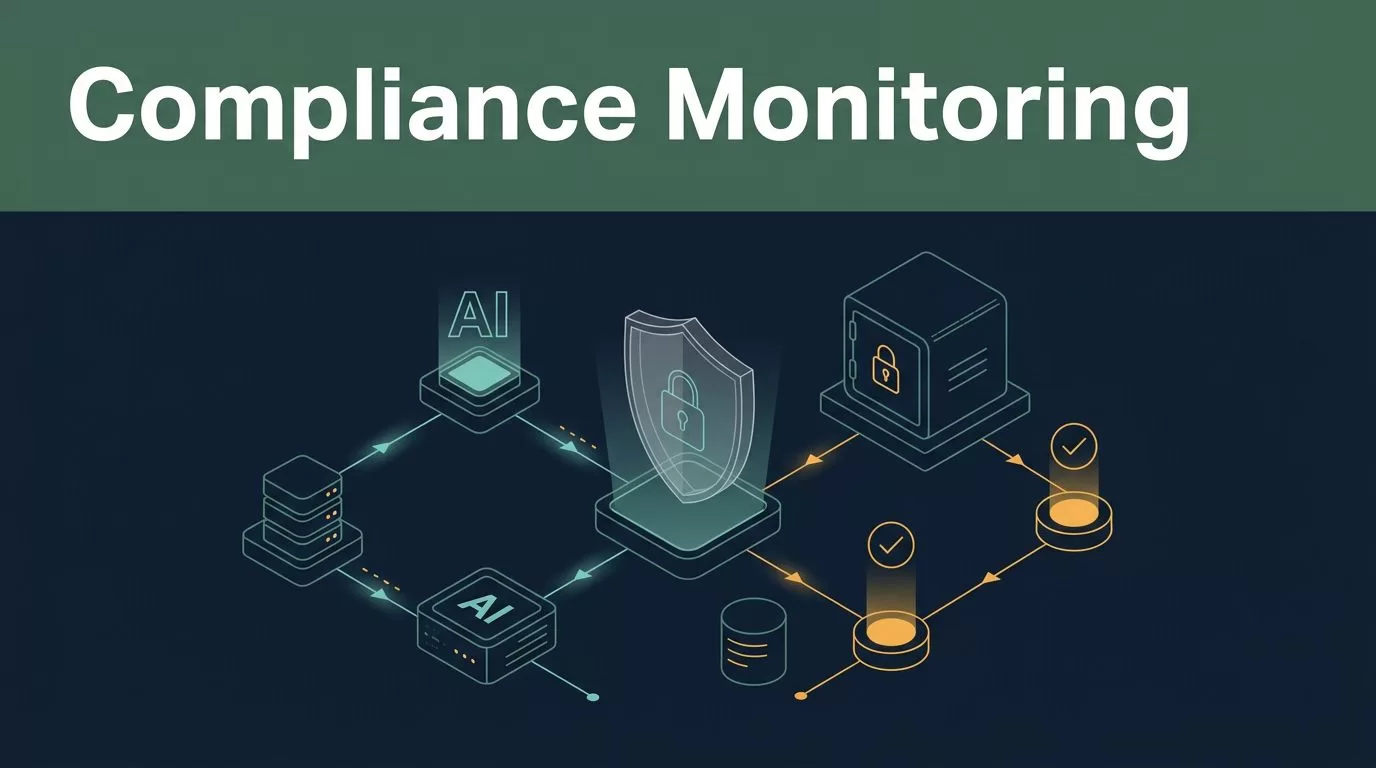
Security and operations teams often struggle to maintain real-time visibility across complex automation pipelines. When AI-driven execution engines interact with enterprise systems, compliance gaps emerge quickly. You need an automated system that flags policy deviations before they turn into audit failures.
Deploying a robust framework for Twin.so compliance monitoring gives you continuous oversight of agent actions and data flows. This guide walks you through the technical setup, data source connections, and alerting workflows required to keep your operations secure and auditable.
Key Takeaways
- Set up secure credential vaults and execute data processing agreements before connecting automated agents to production systems.
- Map compliance evidence directly to control execution events instead of relying on manual after-the-fact documentation.
- Configure granular role-based access controls and require explicit approvals for irreversible actions within your workflows.
- Establish automated alerting channels that push immediate failure notifications to your security operations team.
Executing Prerequisites and Legal Agreements
Before configuring software controls, you need to establish the baseline administrative and legal requirements. Enterprise buyers must verify that data handling terms align with their internal risk posture. For a comprehensive look at how compliance management systems handle these requirements, review this guide on top compliance management software solutions.
Begin by executing a data processing agreement with your vendor before deployment. Review the public trust center documentation to verify ISO 27001 and SOC 2 Type II certifications. Store your credentials in dedicated platform vaults rather than hardcoding them into configuration files. Implement strict role-based access control so that only authorized engineers can modify monitoring rules.
Setting Up Your Data Sources
Connecting your monitoring environment requires pointing the tool to the right log repositories and identity providers. You need to ingest identity logs, ticketing exports, and vulnerability scan results into a centralized database.
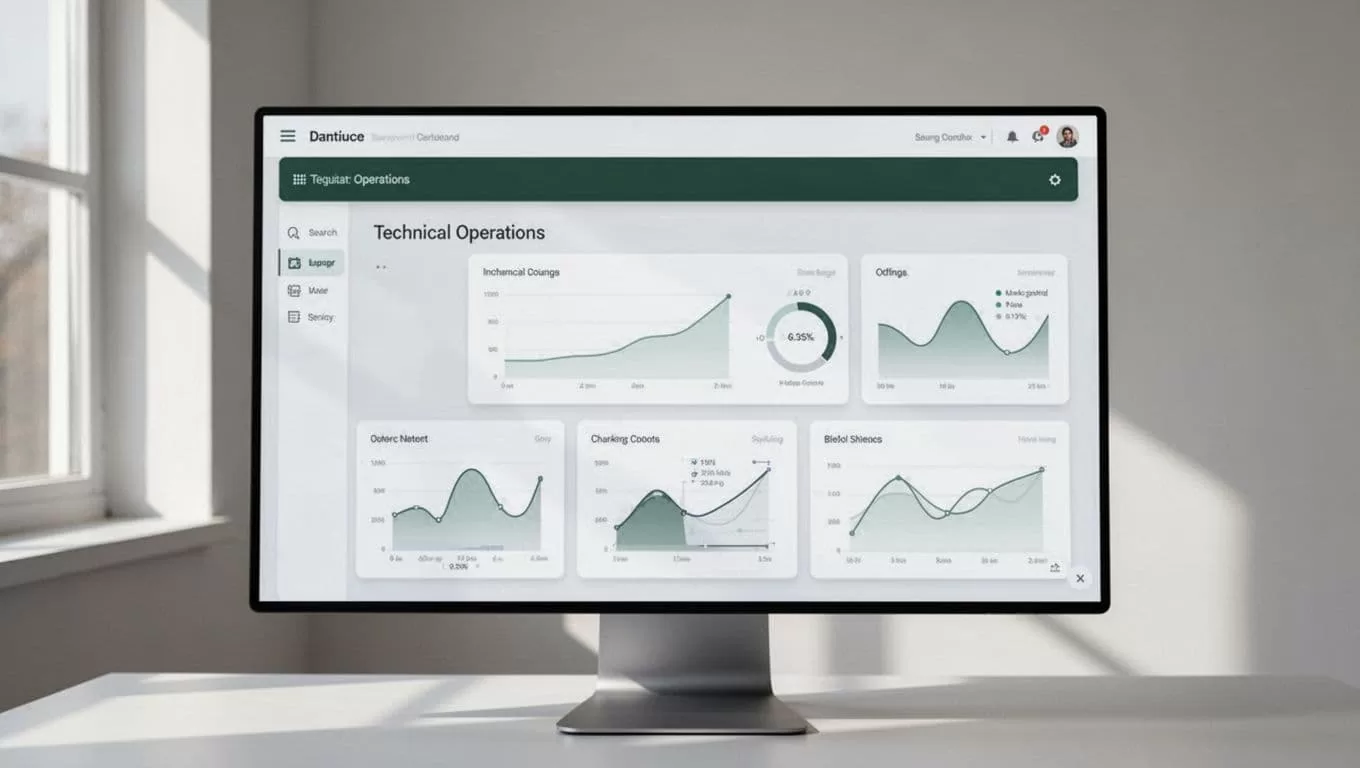
Configure your API connectors to pull identity provider activity logs on a scheduled interval. Ensure that every inbound request uses secure token-based authorization via OAuth 2.0 or JWT. For broader operational workflows, understanding effective frameworks is vital, which you can explore through these compliance workflow best practices.
Verify that network segmentation rules block unauthorized traffic between your monitoring engine and external networks. Test the data ingestion pipeline by running a manual synchronization and checking the output logs for parsing errors.
Configuring Monitoring Controls and Rules
Once your data feeds are active, you must define the specific rules that constitute a compliance violation. Effective Twin.so compliance monitoring depends on catching anomalous execution patterns instantly.
Set up rules to flag unapproved data exports, unexpected privilege escalations, and configuration drifts in your automated pipelines. Require explicit human approval steps before the system executes any irreversible database modification or infrastructure change.
Keep your rules updated as regulatory frameworks shift. Align your monitoring thresholds with the specific evidence collection windows required by your upcoming audit cycles.
Establishing Alerting Workflows
Detecting a violation is useless if the right team never sees the alert. You need to route critical notices directly into your primary incident response channels without flooding engineers with false positives.
Connect your monitoring instance to your team messaging platform or incident management software using secure webhooks. Assign clear severity levels to each rule so that high-risk events trigger immediate on-call pages while low-risk notices go to a daily digest log.
Regularly test your notification paths by simulating compliance failures in a staging environment. To learn more about how continuous tracking tools streamline evidence collection, read this overview on what compliance software is.
Reviewing Audit Logs and Maintaining Continuous Compliance
Continuous compliance requires regular inspection of your audit trails to ensure the monitoring infrastructure itself remains healthy. You should review system logs weekly to confirm that all data connectors are operating without interruption.
Export tamper-evident change logs and store them securely to satisfy long-term retention requirements. Reconcile your automated outputs against source system records to prove that your monitoring setup captures every operational event accurately.
Use these review cycles to refine your rule definitions and close any gaps exposed during routine operations. Keeping your documentation up to date ensures your team stays prepared for formal audits throughout the year.
Conclusion
Automating your oversight processes eliminates the blind spots that standard manual checks miss. Setting up proper credentials, connecting reliable data feeds, and configuring targeted alerts protects your infrastructure from unexpected compliance drift.
Twin.so compliance monitoring provides the continuous visibility required to scale technical operations safely. Begin auditing your active agent workflows today to secure your environment against future risks.
